Denali National Park and Preserve
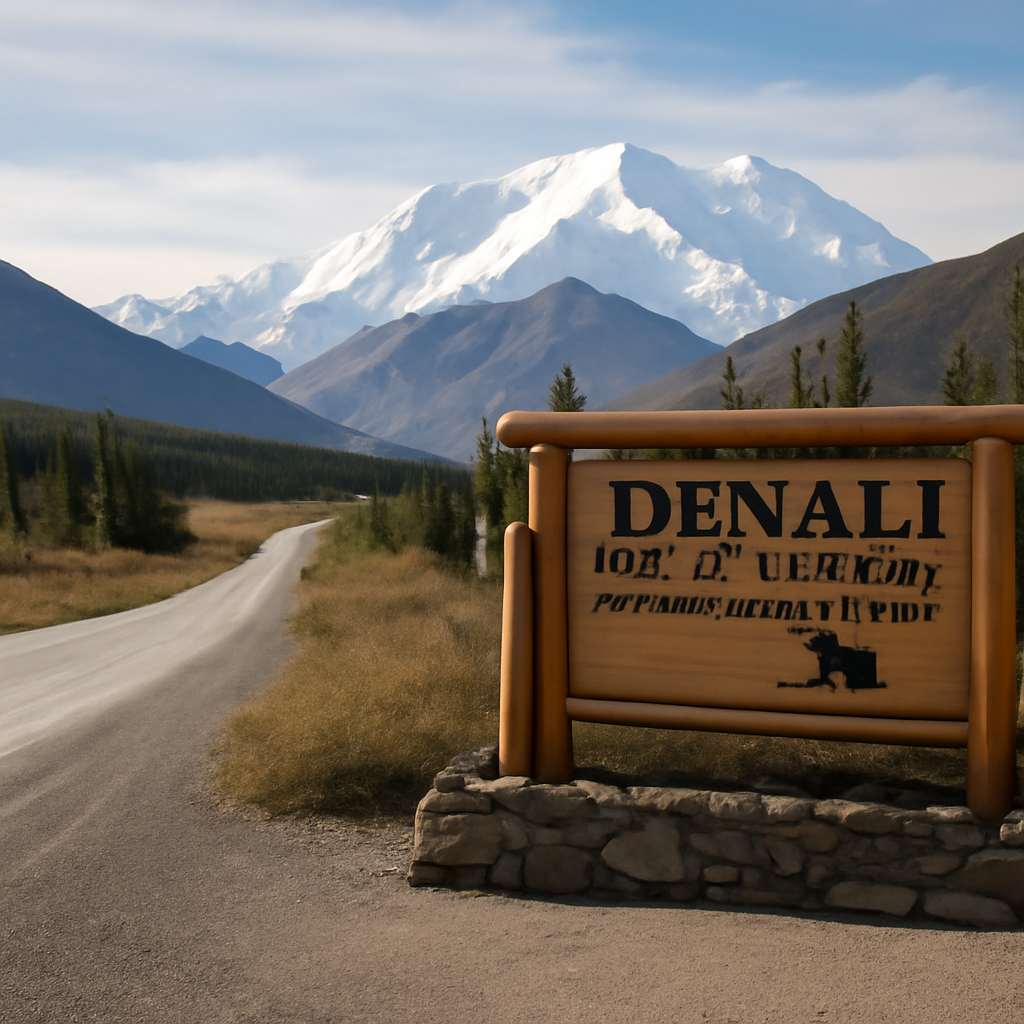
Denali National Park and Preserve: A Journey Through the Wild Heart of Alaska
Origins and Historical Background
Nestled in the Alaskan interior, this expansive wilderness was established as a national park in 1917, originally named Mount McKinley National Park. The park's name was changed to honor the indigenous Koyukon people who have lived in the region for thousands of years, referring to the majestic peak as Denali, meaning "the high one." This mountainous terrain has long been a sacred space, rich with stories of survival, reverence, and connection to the land.
Geographic Setting and Environmental Character
Denali National Park and Preserve spans over six million acres of untamed wilderness, dominated by the towering Denali peak, which rises to 20,310 feet, making it the highest mountain in North America. The park's diverse landscapes range from rolling tundra and dense forests to glacial valleys and alpine meadows, providing a habitat for an array of wildlife, including grizzly bears, moose, caribou, and wolves. Visitors are often struck by the dramatic contrasts in the scenery, where shimmering lakes reflect the towering mountains, and vibrant wildflowers bloom against a backdrop of rugged terrain.
Distinct Features of the Region
What sets this national park apart is not just its size or its iconic mountain; it is the sense of isolation and tranquility that envelops visitors. Unlike many national parks, where human presence is felt in every corner, this vast expanse offers an opportunity to experience nature in its rawest form. The park's limited road access means that exploration often requires venturing into the backcountry, allowing for a deeper connection with the land and its inhabitants.
Experiences and Highlights
As you step into this wilderness, the air is thick with the scent of pine and the distant sound of rushing rivers. The Denali Park Road, stretching 92 miles, serves as the main artery for exploration, offering breathtaking vistas and wildlife sightings. A bus tour along this road is a popular choice, providing opportunities to spot bears foraging for berries or caribou grazing peacefully.
- Hiking: For the adventurous, trails like the Savage River Loop or the more challenging Mount Healy Overlook Trail provide stunning panoramic views and the chance to immerse yourself in the park's diverse ecosystems.
- Wildlife Viewing: Early morning or late evening is prime time for spotting wildlife. The park is home to the "Big Five" of Alaska: moose, caribou, Dall sheep, wolves, and grizzly bears, each adding their unique charm to the landscape.
- Photography: Photographers will find endless inspiration here, from the golden hues of autumn foliage to the stark, icy blues of the glaciers.
- Cultural Experiences: Engage with local indigenous communities through cultural programs that highlight their connection to the land, offering insights into traditional practices and stories that have been passed down through generations.
Cultural Significance
The park is not only a natural wonder but also a cultural treasure. It serves as a reminder of the importance of preserving the natural world and the traditions of its first inhabitants. The Koyukon people view Denali as a living entity, embodying their history and spirituality. This deep-seated respect for nature resonates throughout the park, encouraging visitors to reflect on their relationship with the environment.
Seasonal Considerations and Best Time to Visit
The experience of this national park changes dramatically with the seasons. Summer, from late May to mid-September, is the most popular time to visit, with long daylight hours and vibrant wildlife activity. However, autumn brings a spectacular display of colors, while winter transforms the landscape into a serene, snowy wonderland, ideal for those seeking solitude and winter sports like snowshoeing and cross-country skiing. Spring, though brief, offers a unique opportunity to witness the awakening of the land as flora and fauna emerge from their winter slumber.
Visitor Insights and Travel Considerations
Planning a visit requires some preparation. The park's remote location means that amenities are limited, so it's wise to bring supplies, especially when venturing into the backcountry. Weather can be unpredictable, so dressing in layers and being prepared for sudden changes is essential. Lastly, consider joining a ranger-led program to deepen your understanding of the park's ecology and history, enriching your experience in this breathtaking landscape.
In the end, a journey to this national park is more than just a visit; it is an invitation to connect with nature and reflect on the beauty and resilience of the wilderness, leaving an indelible mark on every traveler who steps foot on its rugged terrain.