Arizona
Overview
Arizona, a land of striking contrasts and breathtaking landscapes, offers visitors an immersive experience that transcends the ordinary. From the majestic Grand Canyon to the serene deserts dotted with saguaro cacti, this southwestern state is a tapestry of natural wonders, rich history, and vibrant cultures. Whether you're an adventure seeker, a history buff, or someone looking to unwind in nature's embrace, Arizona has something to captivate every traveler.
Distinctive Highlights & Notable Features
- Grand Canyon National Park: One of the Seven Natural Wonders of the World, its vastness and intricate geology leave visitors in awe.
- Red Rock Country: The stunning red rock formations of Sedona are not only visually striking but also known for their spiritual energy.
- Native American Heritage: Arizona is home to numerous tribes, each with unique traditions and histories, offering a profound cultural experience.
- Sonoran Desert: This unique desert ecosystem is rich in biodiversity, featuring iconic flora and fauna.
- Historic Route 66: A nostalgic journey along this famous highway reveals charming towns and classic Americana.
What Makes Arizona Noteworthy
Arizona's allure lies in its diverse landscapes and rich cultural tapestry. The interplay of mountains, deserts, and canyons creates a stunning backdrop for outdoor activities and exploration. The state's history is deeply intertwined with Native American cultures, as well as the legacy of early pioneers and settlers. This blend of natural beauty and historical significance makes Arizona a unique destination that resonates with visitors from all walks of life.
Visiting Hours / Accessibility Information
Most national parks and attractions in Arizona are open year-round, though specific hours may vary by season. Popular sites like the Grand Canyon have visitor centers that typically operate from early morning until sunset. Accessibility varies by location, with many parks providing facilities for those with mobility challenges. It’s advisable to check individual park websites for the latest information on accessibility options.
Practical Visitor Tips & On-Site Etiquette
- Stay hydrated, especially in the desert regions, where temperatures can soar.
- Respect wildlife by observing from a distance and not feeding animals.
- Follow marked trails to protect the delicate ecosystem.
- Carry a camera to capture the stunning vistas, but be mindful of others when taking photos.
- Leave no trace; pack out what you bring in.
Typical Time Required for a Visit
Depending on your interests, a visit to Arizona can range from a day trip to a week-long adventure. A day in the Grand Canyon allows for a glimpse of its grandeur, while a week can provide ample time to explore multiple parks, engage with local culture, and enjoy various outdoor activities.
Restrictions or Prohibited Items
Some areas may have restrictions on items such as drones, alcohol, and large backpacks. Specific regulations can vary by park, so it’s essential to check the guidelines before your visit.
Additional Context About Arizona
Arizona's history is a rich tapestry woven from its Native American roots, Spanish exploration, and the American frontier spirit. The state became the 48th state of the United States in 1912, but its story stretches back thousands of years, with ancient civilizations like the Hohokam and Ancestral Puebloans leaving their mark. Today, Arizona stands as a testament to the resilience and diversity of its people and landscapes.
Architectural or Natural Characteristics
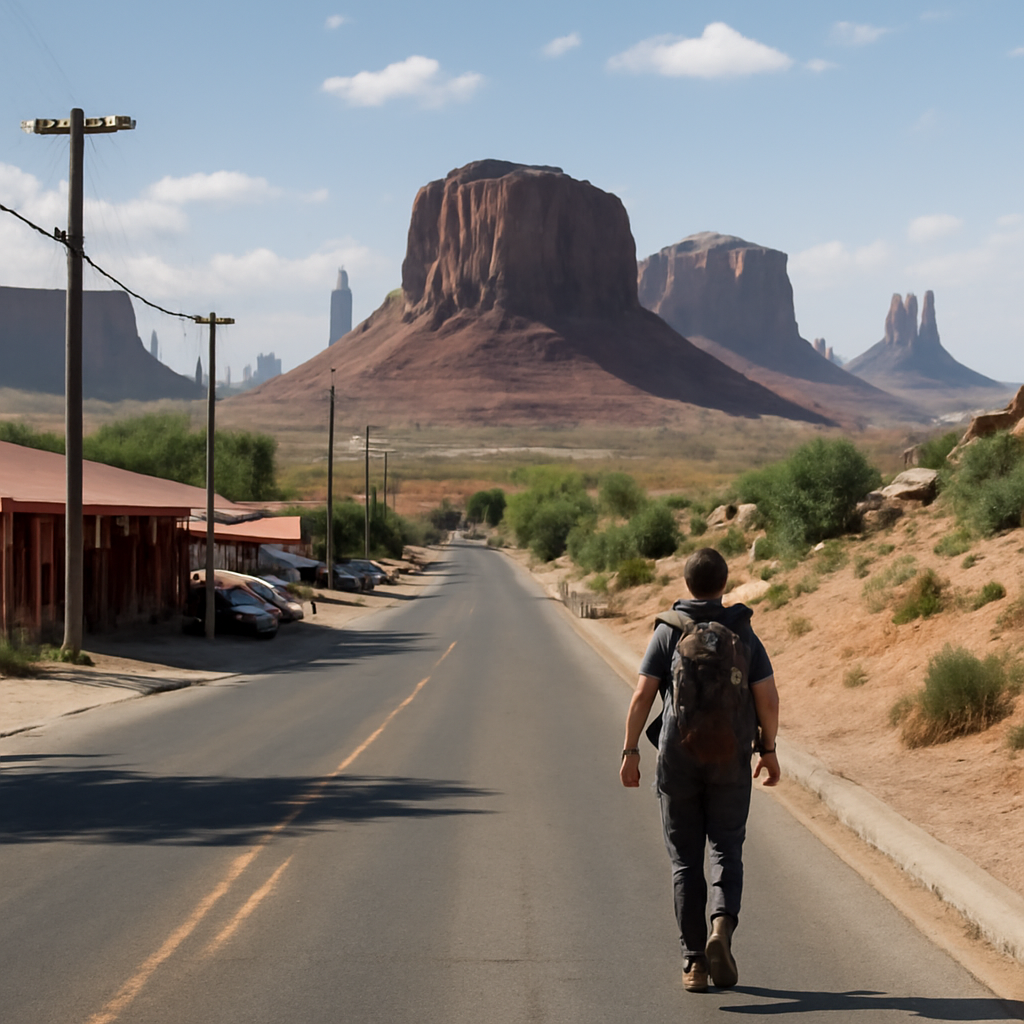
The natural characteristics of Arizona are defined by its dramatic topography, featuring everything from the towering peaks of the San Francisco Mountains to the expansive deserts of the Sonoran. The state's unique geological formations, such as the colorful Painted Desert and the iconic buttes of Monument Valley, showcase nature's artistry.
Seasonal Considerations & Best Time to Visit
The best time to visit Arizona largely depends on the region. Spring and fall offer mild temperatures ideal for outdoor activities, while summer can be extremely hot in the desert areas. Winter brings cooler temperatures, especially in the northern regions, making it a great time for those who enjoy snow sports in places like Flagstaff.
How Visitors Commonly Reach the Location
Arizona is accessible via several major highways and interstates, making road trips a popular option. The state is also served by several airports, including Phoenix Sky Harbor International Airport and Tucson International Airport, providing convenient access for travelers flying in.
Nearby Points of Interest
- Antelope Canyon: A stunning slot canyon known for its wave-like structure and light beams.
- Monument Valley: Famous for its iconic sandstone formations and rich Navajo culture.
- Havasu Falls: A breathtaking waterfall located in the Grand Canyon, known for its turquoise waters.
- Petrified Forest National Park: Home to ancient petrified wood and colorful badlands.
FAQs
- What is the best time of year to visit Arizona? Spring and fall are ideal due to mild temperatures.
- Are there any entrance fees for national parks? Yes, most national parks charge an entrance fee, which can vary.
- Can I hike in the Grand Canyon? Yes, but be prepared for challenging terrain and varying weather conditions.
- Is it safe to visit Arizona during the summer? Yes, but take precautions against heat, such as staying hydrated and avoiding midday sun.
- Are there guided tours available? Yes, many parks offer guided tours and ranger programs for visitors.
Cities in Arizona
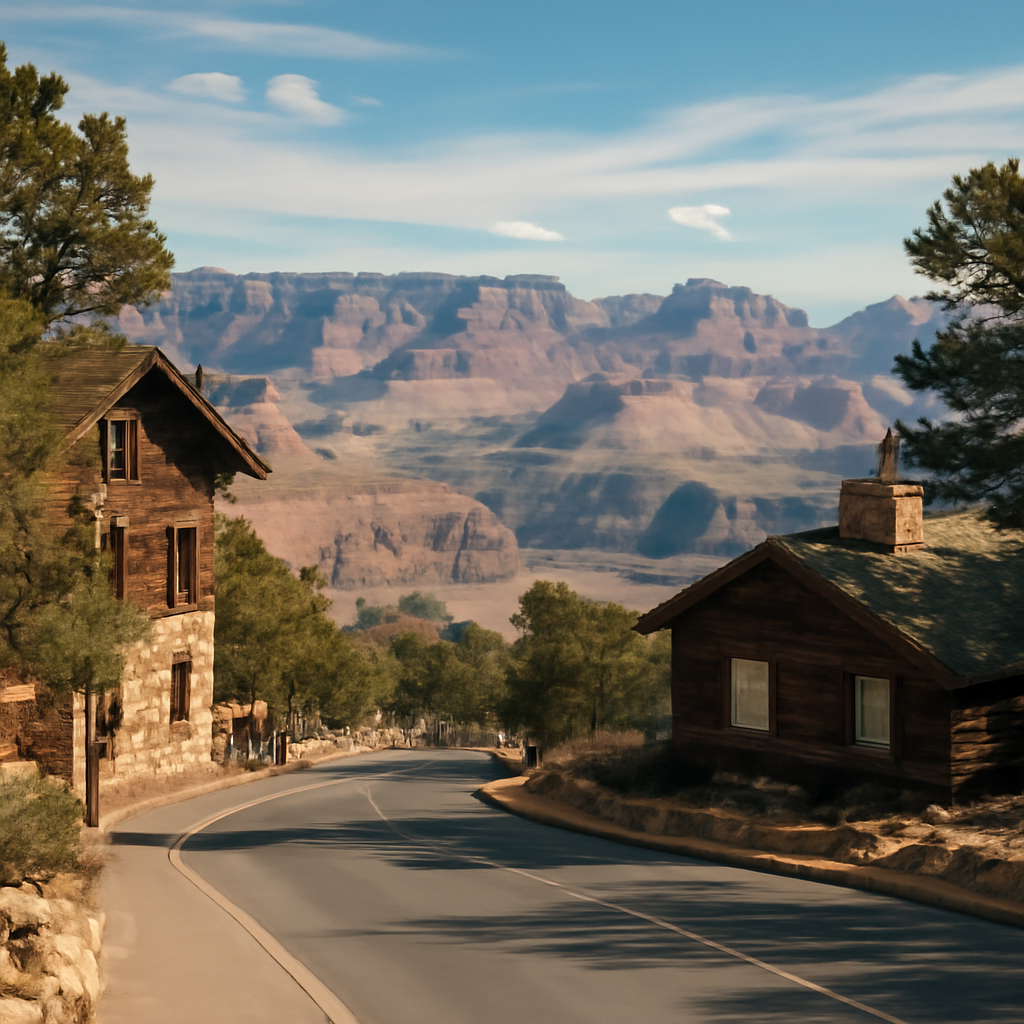
Grand Canyon Village
Overview Nestled within the vast expanse of the Grand Canyon National Park, Grand Canyon Village serves as a vibrant ...
Explore City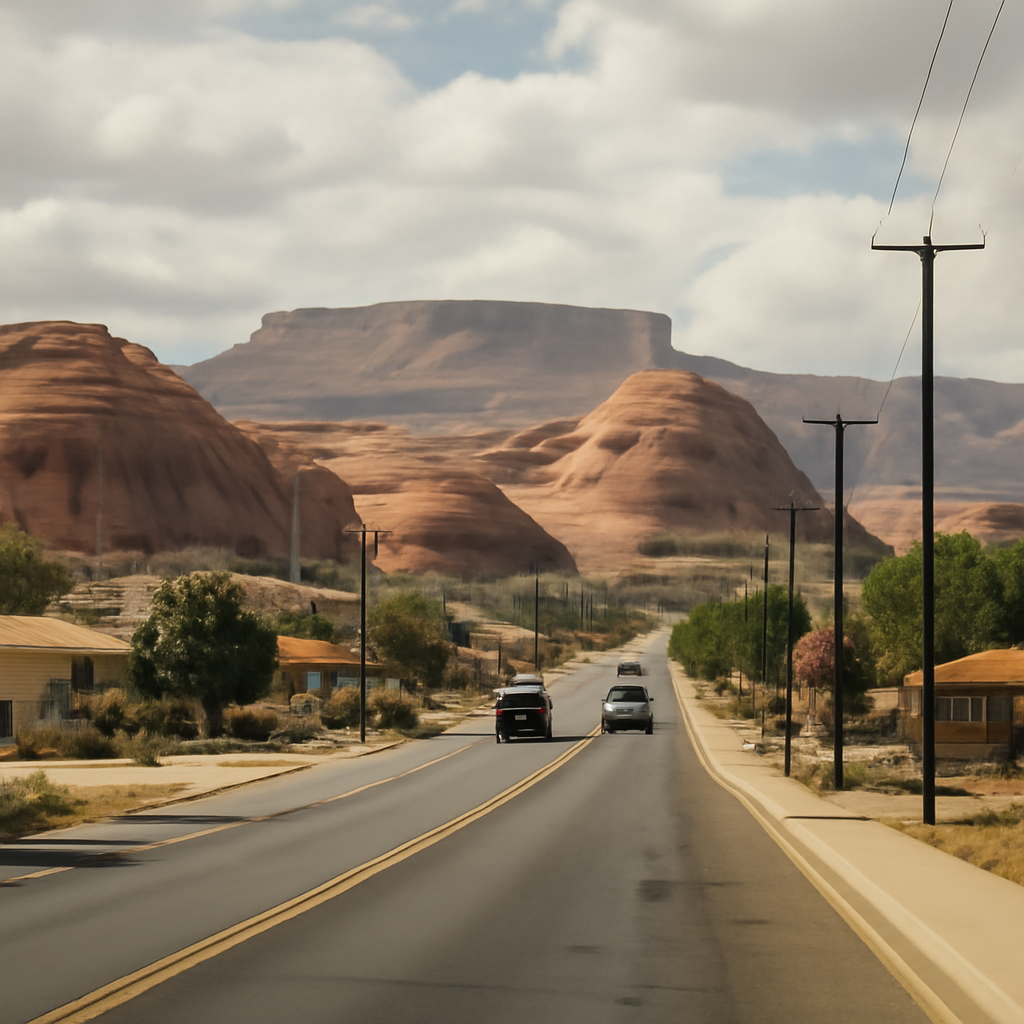
Page
Overview Nestled in the stunning landscapes of northern Arizona, Page is a gateway to some of the most breathtaking n...
Explore City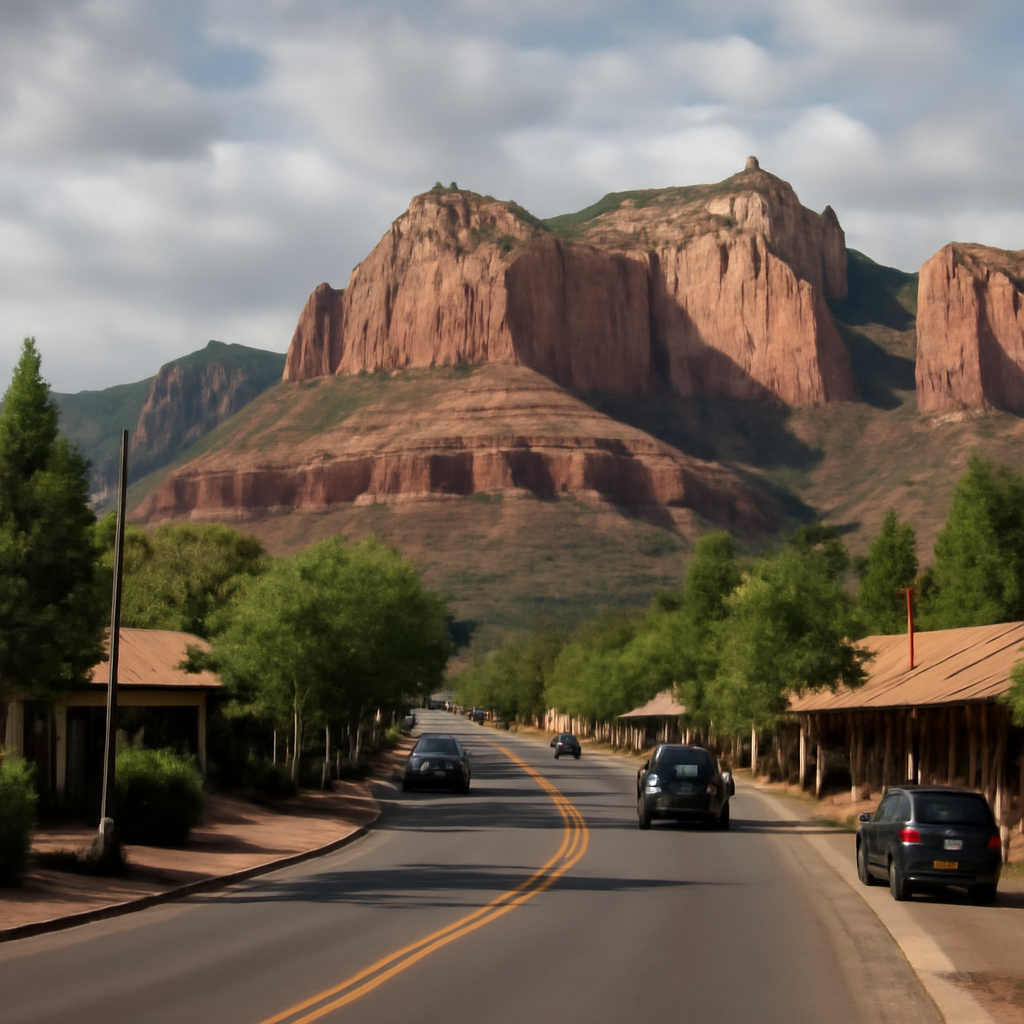
Sedona
Overview Nestled amidst the breathtaking landscapes of northern Arizona, Sedona captivates visitors with its iconic r...
Explore City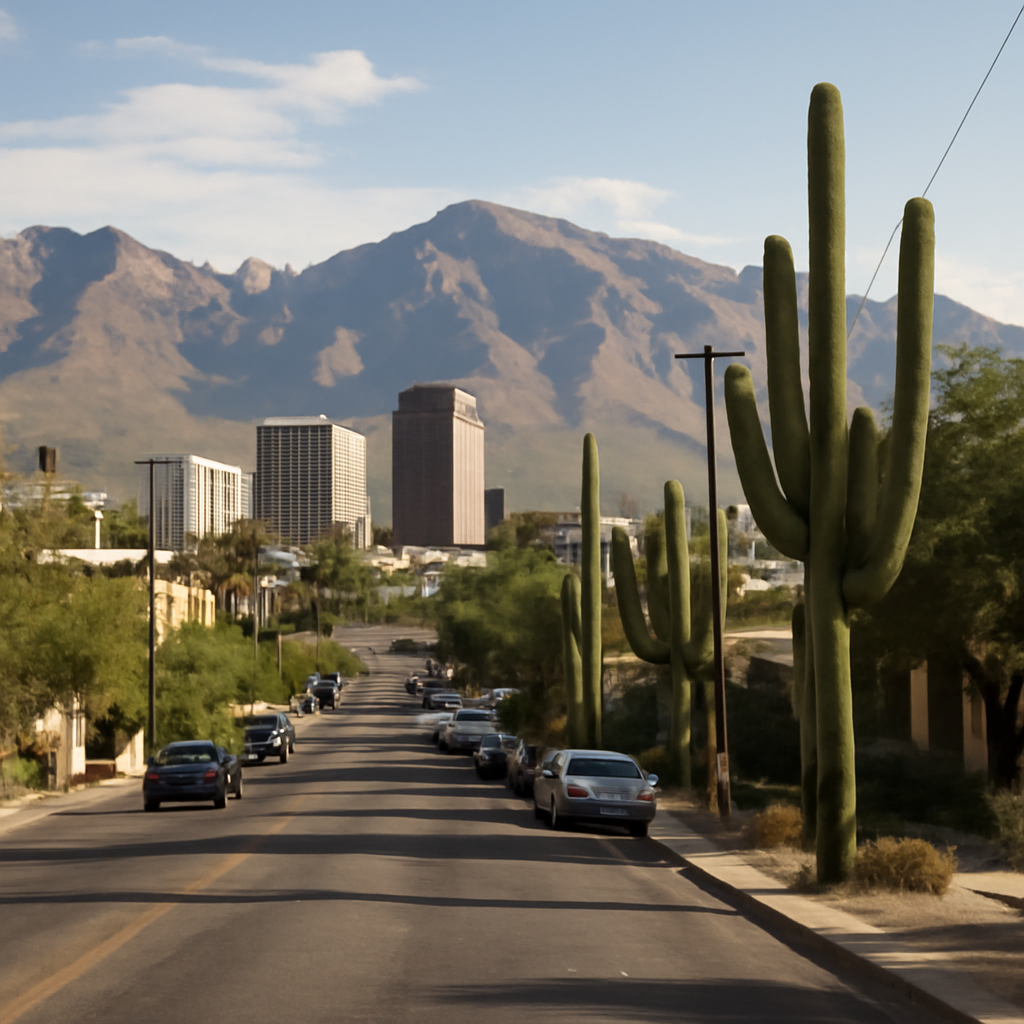
Tucson
Overview Nestled in the heart of the Sonoran Desert, Tucson offers a rich tapestry of cultural heritage, stunning lan...
Explore City