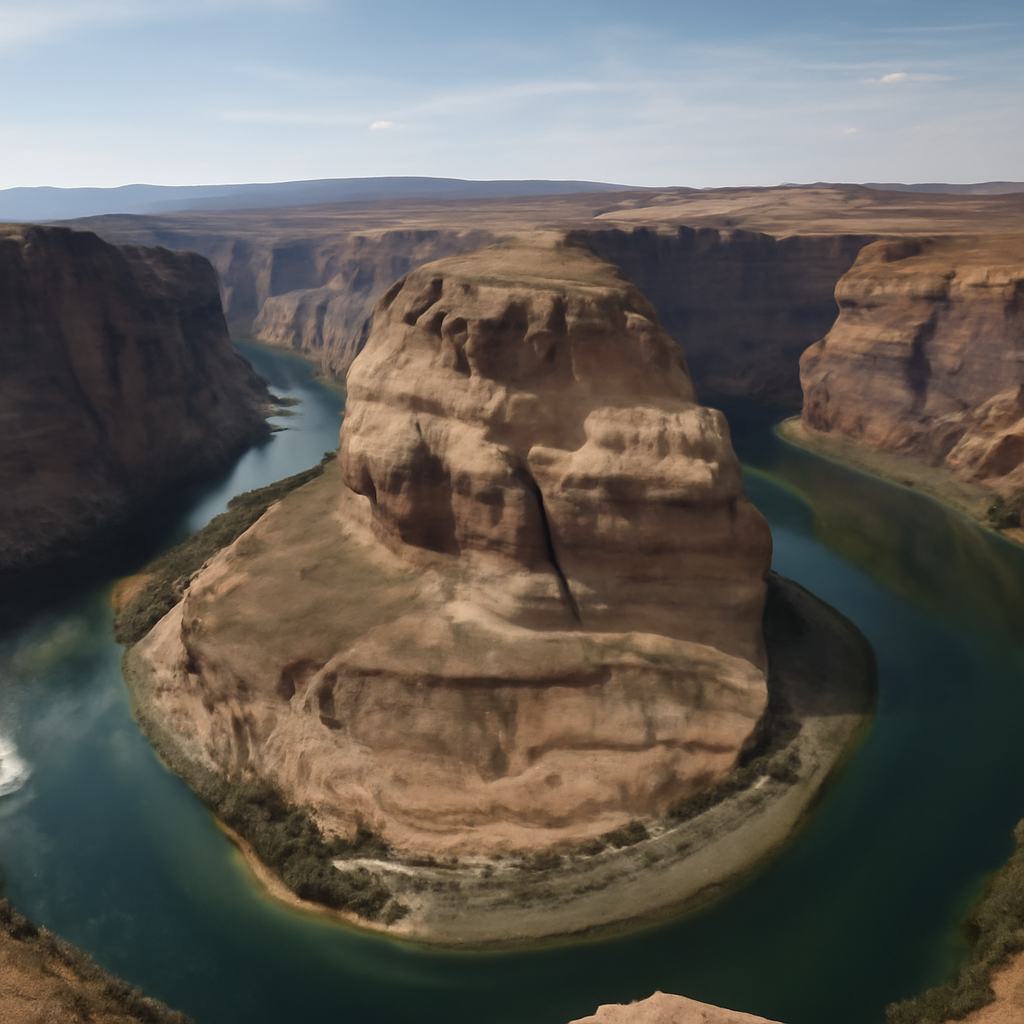
Antelope Canyon
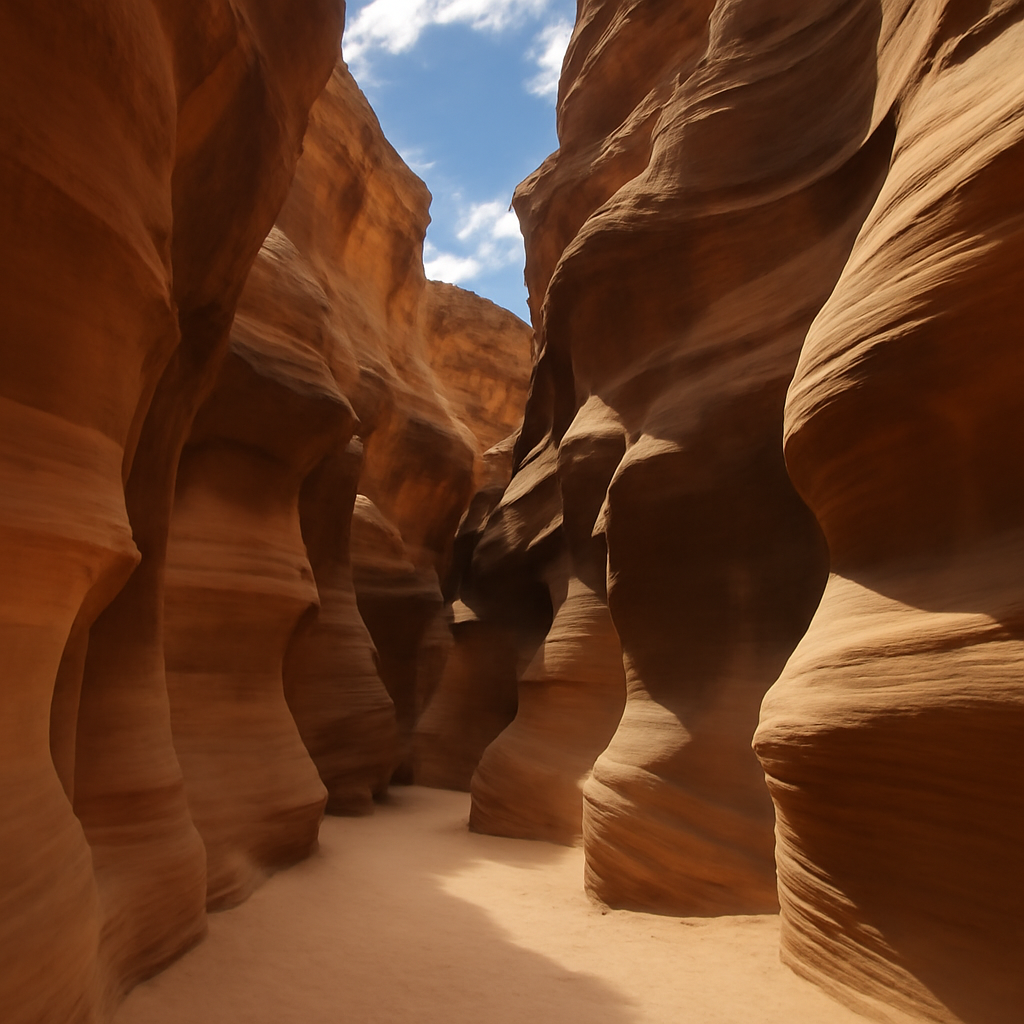
Antelope Canyon: Nature's Sculpted Masterpiece
Origins and Historical Background
Nestled within the Navajo Nation near Page, Arizona, Antelope Canyon is a stunning example of nature's artistry, shaped over millennia by the relentless forces of wind and water. This slot canyon, primarily composed of Navajo sandstone, was formed through a combination of flash flooding and erosion, resulting in its smooth, wave-like structures and vibrant hues that shift with the sunlight. The canyon's name is derived from the pronghorn antelopes that once roamed the area, a nod to the region's rich wildlife and history.
Geographic Setting and Environmental Character
As you approach the canyon, the stark contrast between the arid desert landscape and the intricate formations of the canyon becomes apparent. The surrounding terrain is characterized by red rock formations and expansive skies, typical of the American Southwest. Antelope Canyon consists of two main sections: Upper and Lower Antelope Canyon, each offering unique perspectives and experiences. The Upper Canyon, with its wider passageways and light beams that pierce through the narrow openings above, is often more popular among visitors. In contrast, the Lower Canyon provides a more intimate experience, with its winding paths and stunning light play, particularly during midday when the sun is at its zenith.
Distinctive Features
What sets this canyon apart from others in the region is its otherworldly beauty. The interplay of light and shadow creates a mesmerizing display of color, with shades of orange, red, and purple dancing across the canyon walls. The smooth, flowing curves of the sandstone evoke a sense of fluidity and grace, making it a favorite subject for photographers and artists alike. The canyon's narrow passageways can be both exhilarating and daunting, providing an intimate connection with nature while reminding visitors of its raw power.
Experiences and Highlights
Visitors to Antelope Canyon can expect an immersive experience that engages all the senses. Guided tours, led by Navajo guides, offer insights into the canyon's geological features and cultural significance. As you navigate the winding paths, the sound of your footsteps on the sandy floor and the echo of distant voices create a serene atmosphere. The highlight of any visit is undoubtedly witnessing the light beams that flood the canyon during specific times of the year, creating a magical ambiance that feels almost otherworldly.
- Photography Tours: For photography enthusiasts, special tours allow for extended time within the canyon to capture its beauty in varying light conditions.
- Guided Cultural Tours: Learn about the Navajo culture and the significance of the land from knowledgeable guides who share stories passed down through generations.
- Adventure Opportunities: For the more adventurous, there are options for canyoneering and exploring nearby landscapes, adding a thrill to your visit.
Cultural Significance
Antelope Canyon holds deep significance for the Navajo people, who regard it as a sacred place. The canyon is not just a natural wonder; it is a part of their heritage and identity. The stories and traditions of the Navajo are interwoven with the land, and visiting the canyon provides an opportunity to engage with these cultural narratives. Respecting the land and its history is paramount, and visitors are encouraged to approach their experience with mindfulness and reverence.
Seasonal Considerations and Best Time to Visit
The best time to explore Antelope Canyon is during the spring and fall months, when temperatures are moderate and the light conditions are ideal for photography. Summer can be extremely hot, with temperatures often exceeding 100°F, while winter may bring cooler weather and occasional snow. The light beams that define the canyon's allure are most prominent between March and October, particularly around midday. Planning your visit during these months can enhance your experience, allowing you to witness the canyon at its most breathtaking.
Visitor Insights and Travel Considerations
When planning your trip, it's essential to book tours in advance, as they often fill up quickly, especially during peak season. Be prepared for a short hike to reach the canyon entrance, and wear comfortable shoes suitable for sandy terrain. The canyon can be crowded, particularly in the Upper section, so consider visiting during off-peak hours for a more tranquil experience. Lastly, remember to bring a camera, but also take moments to simply soak in the beauty around you, allowing the canyon's magic to leave an imprint on your spirit.