Tucson
Overview
Nestled in the heart of the Sonoran Desert, Tucson offers a rich tapestry of cultural heritage, stunning landscapes, and a vibrant arts scene. This city is not just a gateway to natural wonders; it is a living canvas of history, where Native American, Spanish, and American influences converge. Visitors are drawn to Tucson for its unique blend of outdoor adventures, culinary delights, and a welcoming community that celebrates its diverse roots.
Distinctive Highlights & Notable Features
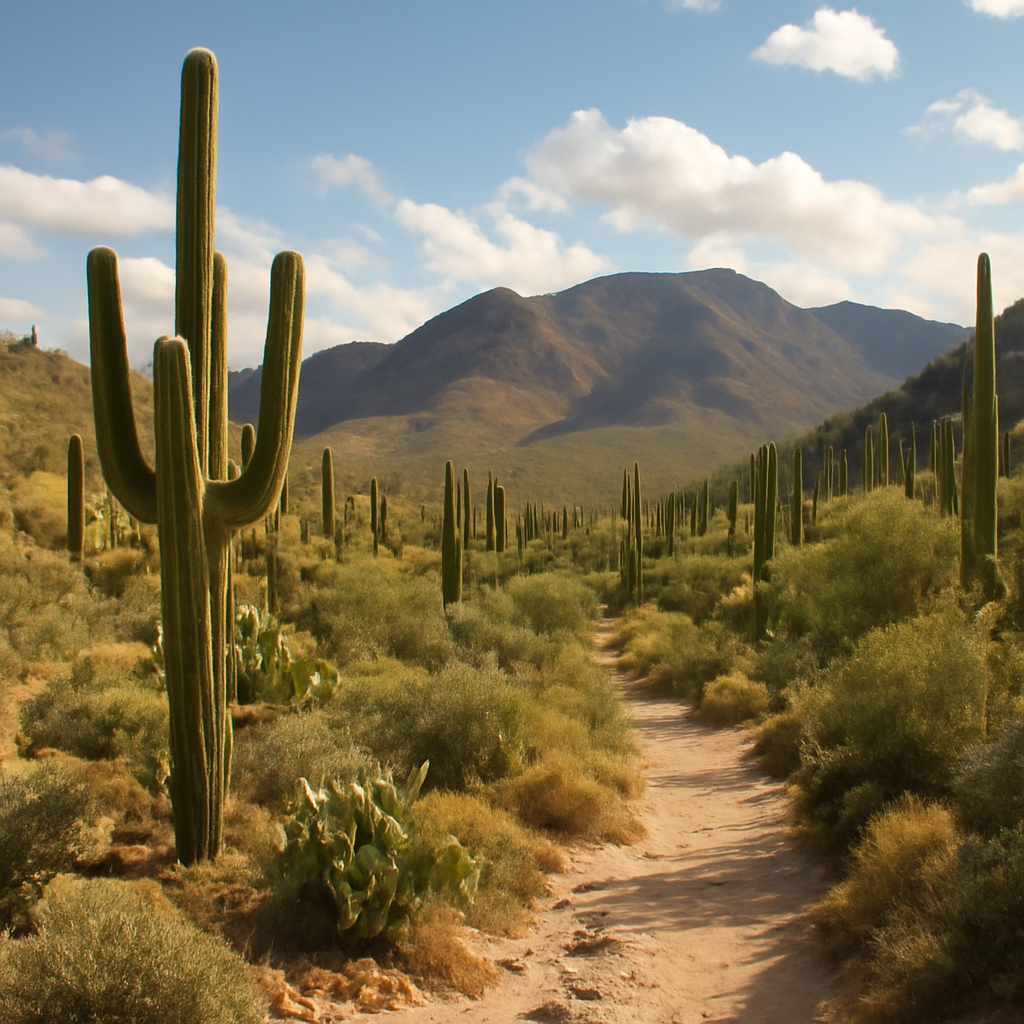
- Saguaro National Park: Home to the iconic saguaro cactus, this park showcases the beauty of the desert landscape with hiking trails and scenic drives.
- Mission San Xavier del Bac: A stunning example of Spanish colonial architecture, this historic mission is often referred to as the "White Dove of the Desert."
- Arizona-Sonora Desert Museum: A unique fusion of zoo, botanical garden, and natural history museum, offering an immersive experience into the desert ecosystem.
- Tucson's Culinary Scene: Renowned for its farm-to-table dining and vibrant food culture, Tucson was designated a UNESCO City of Gastronomy.
What Makes Tucson Noteworthy
Tucson stands out as a cultural melting pot, where traditions from various backgrounds are celebrated through festivals, art, and cuisine. Its designation as a UNESCO City of Gastronomy highlights the region's commitment to sustainable food practices and local ingredients. The city's rich history, from ancient Native American settlements to its role in the Wild West, adds layers of depth to the visitor experience.
Visiting Hours / Accessibility Information
Most attractions in Tucson are open year-round, though specific hours may vary. Saguaro National Park, for example, is accessible daily, with visitor centers typically open from 9 AM to 5 PM. Public transportation options, including buses, make it easy to navigate the city, while many attractions offer accessible facilities for individuals with mobility challenges.
Practical Visitor Tips & On-Site Etiquette
- Stay hydrated and wear sun protection, especially during the warmer months.
- Respect local wildlife and maintain a safe distance, particularly in natural parks.
- When visiting cultural sites, dress modestly and be mindful of local customs.
- Support local artisans and businesses by purchasing handmade crafts and souvenirs.
Typical Time Required for a Visit
Depending on your interests, a visit to Tucson can range from a weekend getaway to a week-long exploration. Most visitors find that three to four days allows ample time to experience key attractions, enjoy local cuisine, and soak in the desert landscapes.
Restrictions or Prohibited Items
When visiting natural parks, be aware that pets are often restricted on trails, and certain areas may have restrictions on food and drink to protect wildlife. Always check specific site regulations before your visit.
Additional Context About Tucson
Founded in 1775, Tucson's history is deeply intertwined with its Native American roots and Spanish colonial past. The city served as a military outpost and later became a vital trade hub in the region. Today, Tucson's heritage is celebrated through its architecture, museums, and annual cultural festivals, reflecting its evolution over centuries.
Architectural or Natural Characteristics
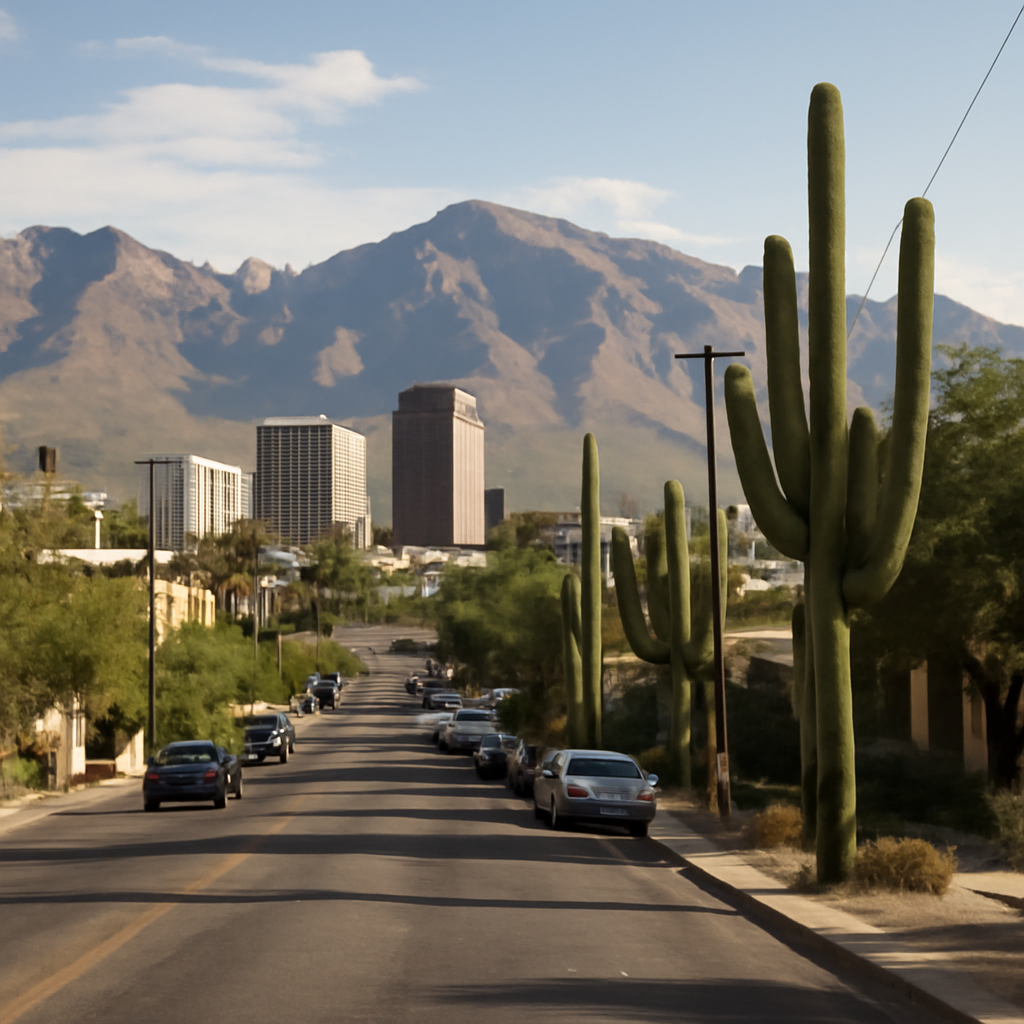
The city's landscape is characterized by dramatic mountain ranges, including the Santa Catalina Mountains, which provide a stunning backdrop to the urban environment. Architecturally, Tucson showcases a blend of adobe structures and modern designs, with many buildings reflecting the region's Spanish and Native American influences.
Seasonal Considerations & Best Time to Visit
The best time to explore Tucson is during the fall and spring months when temperatures are mild, making outdoor activities more enjoyable. Summer can be extremely hot, while winter offers cooler weather, ideal for hiking and exploring the desert.
How Visitors Commonly Reach the Location
Tucson is accessible via Tucson International Airport, which offers numerous domestic flights. For those traveling by road, Interstate 10 connects the city to major hubs like Phoenix and El Paso, making it a convenient stop on a broader Southwestern adventure.
Nearby Points of Interest
- Mount Lemmon: A short drive from Tucson, this mountain offers cooler temperatures, hiking trails, and stunning views.
- Bisbee: A historic mining town known for its vibrant arts scene and unique architecture, located about 90 minutes from Tucson.
- Organ Pipe Cactus National Monument: A UNESCO Biosphere Reserve featuring diverse desert landscapes and the iconic organ pipe cactus.
FAQs
- What is the best time of year to visit Tucson? The fall and spring months offer the most pleasant weather for outdoor activities.
- Are there guided tours available in Tucson? Yes, many local companies offer guided tours of the city and surrounding natural attractions.
- Is Tucson family-friendly? Absolutely, with numerous attractions suitable for all ages, including parks, museums, and interactive experiences.
- Can I hike in Saguaro National Park? Yes, the park features a variety of hiking trails for different skill levels.
- What should I wear when visiting Tucson? Lightweight, breathable clothing is recommended, along with sturdy shoes for hiking and sun protection.
Places in Tucson
Saguaro National Park
Discover stunning landscapes and iconic cacti in Tucson's breathtaking desert park. Perfect for hiking, photography, and...
Explore