Saguaro National Park
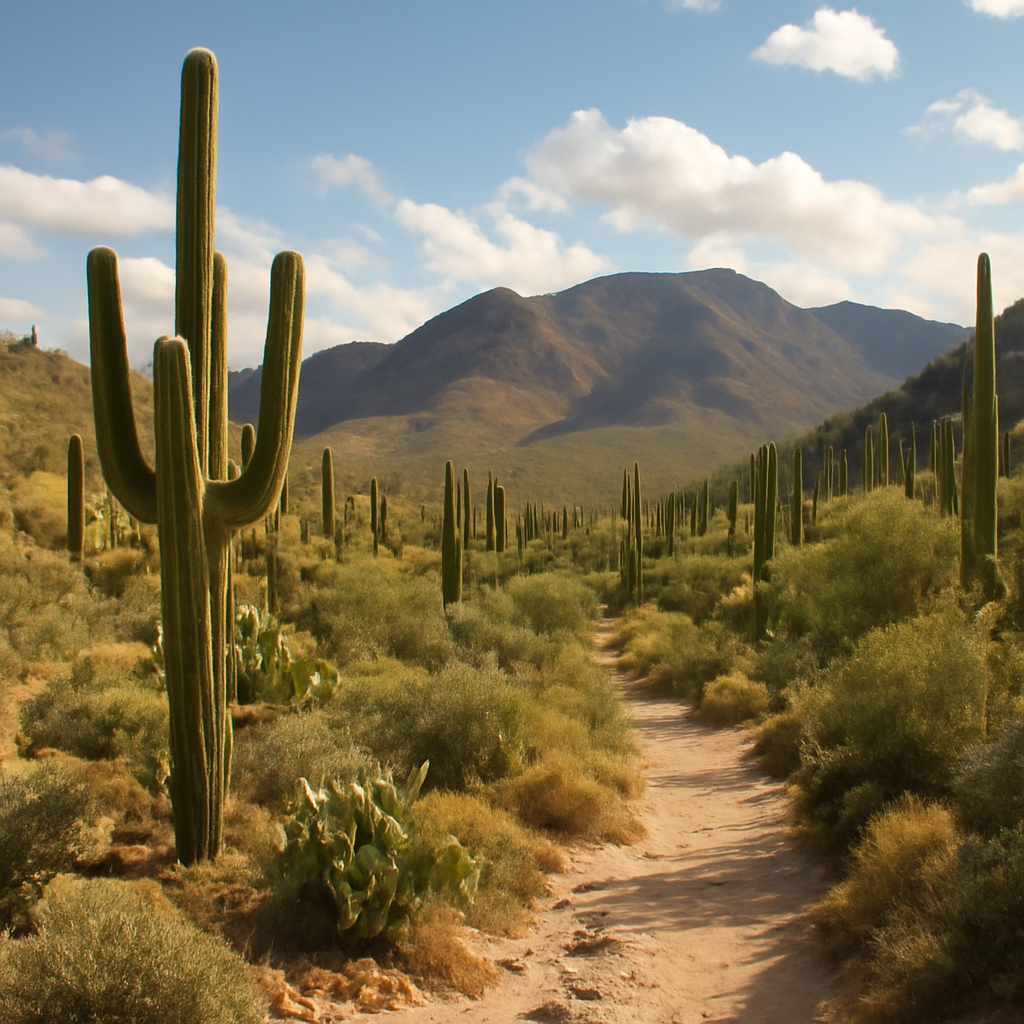
Saguaro National Park: A Desert Oasis of Giant Cacti
Origins and Historical Background
Nestled in the heart of the Sonoran Desert, Saguaro National Park is a living testament to the resilience of nature. The park is named after the iconic saguaro cactus, which can grow to be over 40 feet tall and live for more than 150 years. The park was established in 1994, but its history stretches back thousands of years, with indigenous peoples, such as the Tohono O'odham, considering the saguaro a vital resource. They harvest the fruit for food and ceremonial purposes, embodying a deep respect for the land that continues to resonate today.
Geographic Setting and Environmental Character
Divided into two districts—East and West—this national park surrounds Tucson, Arizona, offering a stunning contrast of rugged mountains and sprawling desert landscapes. The East District, known as Rincon Mountain District, features dramatic mountain ranges and diverse flora, while the West District showcases the classic desert scenery with its sprawling fields of towering saguaros. The park's elevation ranges from 2,600 to 4,600 feet, creating microclimates that support a variety of ecosystems, from desert grasslands to oak woodlands.
Distinctive Features Within the Region
What sets this park apart from other desert landscapes is its iconic vegetation and the breathtaking backdrop of the Catalina Mountains. The saguaro cactus, with its arm-like branches reaching skyward, serves as a symbol of the American Southwest. Visitors can witness the stunning contrast between the vibrant green cacti and the arid, sandy soil, particularly during the spring bloom when the saguaros burst forth with white flowers, attracting a myriad of pollinators. The park is also home to diverse wildlife, including coyotes, javelinas, and over 200 species of birds, making it a paradise for nature lovers and photographers alike.
Experiences and Highlights
Exploring Saguaro National Park offers an array of experiences that cater to all types of adventurers. Hiking trails meander through the park, ranging from easy walks to challenging hikes that lead to panoramic vistas. The Valley View Overlook is a must-see, where visitors are rewarded with stunning views of the desert floor dotted with saguaros against the backdrop of the mountains. For those seeking a deeper understanding of the region, ranger-led programs provide insights into the park's ecology, geology, and cultural history.
Photography enthusiasts will find endless opportunities to capture the beauty of the landscape, particularly during the golden hours of sunrise and sunset when the light casts a magical glow over the cacti. For a unique experience, consider a night hike; the park's dark skies provide an incredible canvas for stargazing, revealing constellations and celestial events that are often obscured by city lights.
Cultural Significance
The cultural significance of this park extends beyond its natural beauty. The Tohono O'odham people, who have inhabited this land for centuries, continue to celebrate their heritage and connection to the saguaro. The annual Saguaro Festival showcases traditional music, dance, and food, inviting visitors to learn about the rich cultural tapestry woven into the fabric of the desert landscape. This celebration emphasizes the importance of preserving both the natural environment and the cultural traditions that thrive within it.
Seasonal Considerations and Best Time to Visit
The best time to explore is during the cooler months, from late fall to early spring, when temperatures are mild and the desert blooms with wildflowers. Summer can be sweltering, with temperatures soaring above 100°F, making outdoor activities challenging. For those willing to brave the heat, early morning or late afternoon hikes can provide a unique perspective on the desert's beauty.
Visitor Insights and Travel Considerations
When planning your visit, it’s essential to bring plenty of water, wear sunscreen, and dress in layers to adapt to changing temperatures. The park offers several visitor centers where you can gather information, maps, and advice on the best trails to take. Additionally, consider using the park's shuttle service during peak times to minimize traffic and enhance your experience. Respecting the natural environment is crucial; staying on designated trails helps protect the fragile ecosystem and ensures that future generations can enjoy this stunning landscape.