Colorado
Overview
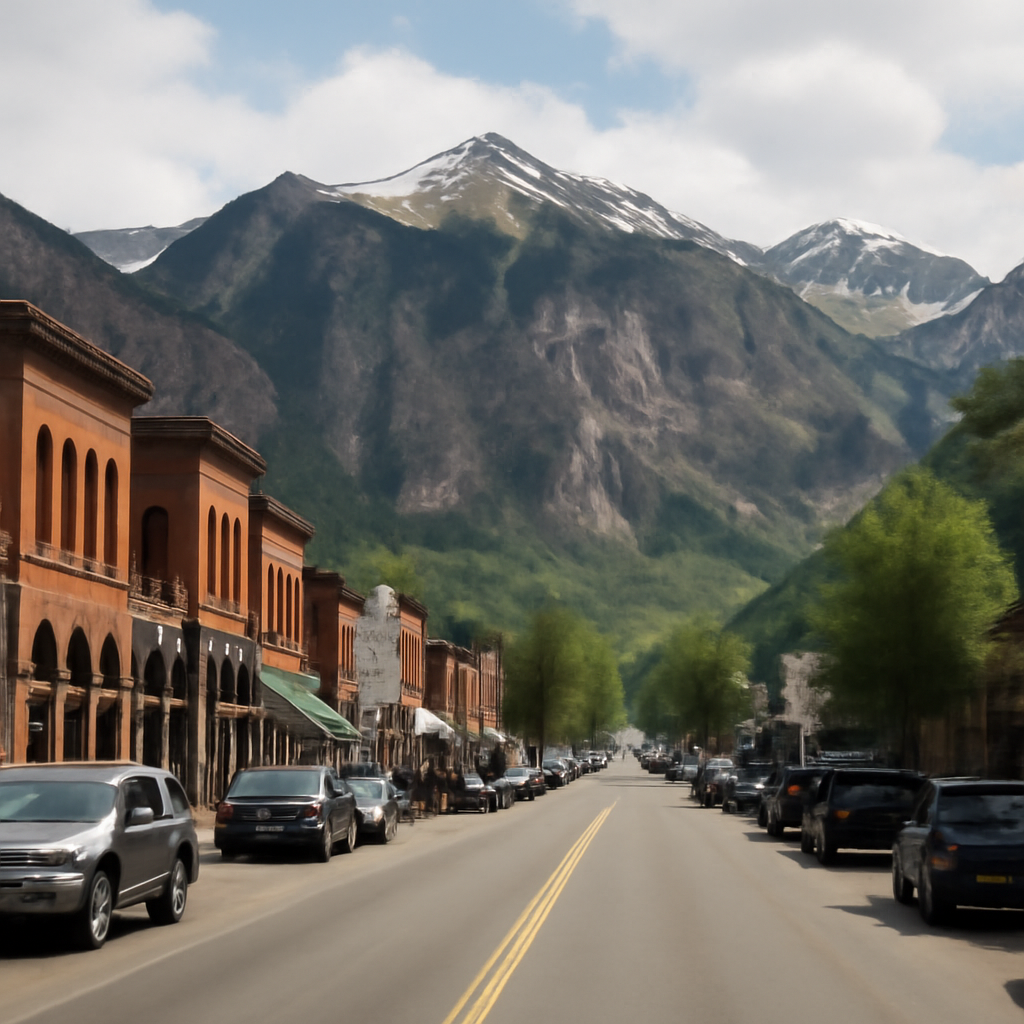
Colorado, a state defined by its breathtaking landscapes and diverse ecosystems, invites travelers to explore its majestic mountains, vibrant cities, and rich cultural heritage. Nestled in the heart of the Rocky Mountains, Colorado offers an array of outdoor adventures and urban experiences that beckon both nature enthusiasts and city dwellers alike. From the stunning peaks of the Rockies to the artistic streets of Denver, this destination is a treasure trove of discovery for every type of traveler.
Distinctive Highlights & Notable Features
- Rocky Mountain National Park: A crown jewel of the state, this park features over 300 miles of hiking trails, pristine alpine lakes, and diverse wildlife.
- Red Rocks Amphitheatre: Renowned for its natural acoustics and stunning scenery, this open-air venue hosts concerts and events against a backdrop of towering red rock formations.
- Denver's Art Scene: The Mile High City boasts a vibrant arts district, with galleries, museums, and street art that celebrate both local and international talent.
- Historic Towns: Explore charming towns like Telluride and Durango, where rich mining history meets modern-day adventure.
What Makes Colorado Noteworthy
Colorado stands out for its unique blend of natural beauty and cultural richness. The state is home to 58 mountain peaks that soar over 14,000 feet, known as "fourteeners," drawing climbers and hikers from around the globe. Its diverse geography ranges from arid deserts to lush forests, offering a playground for outdoor activities year-round. Additionally, Colorado's history as a mining hub and its evolution into a cultural hotspot make it a fascinating destination for those interested in both nature and heritage.
Visiting Hours / Accessibility Information
Most outdoor attractions, like national parks and trails, are open year-round, although specific hours may vary by season. Urban sites, such as museums and galleries, typically operate from 10 AM to 5 PM, with extended hours on certain days. Accessibility varies; many parks offer wheelchair-friendly paths, while urban areas are generally well-equipped for all visitors.
Practical Visitor Tips & On-Site Etiquette
- Stay hydrated and acclimatize to the altitude, especially in mountainous areas.
- Respect wildlife by observing from a distance and not feeding animals.
- Leave no trace; carry out what you bring in, especially in natural settings.
- Follow local guidelines and park regulations to ensure a safe and enjoyable experience.
Typical Time Required for a Visit
A visit can vary widely based on interests. For a day trip to a national park, plan for at least 6-8 hours to fully appreciate the trails and scenery. Urban explorations in Denver or Boulder can be done in a half-day or full-day, depending on the number of sites you wish to see.
Restrictions or Prohibited Items
In national parks, items such as drones, firearms, and certain types of camping equipment may be restricted. Always check specific park regulations before your visit to ensure compliance.
Additional Context About Colorado
Colorado's history is rich and varied, shaped by Native American tribes, European settlers, and the gold rush of the 19th century. The state was officially admitted to the Union in 1876, earning it the nickname "Centennial State." Today, it stands as a symbol of the American West, where outdoor recreation and cultural diversity thrive.
Architectural or Natural Characteristics
The state's architecture reflects its history, with well-preserved buildings in towns like Leadville and Aspen showcasing Victorian-era designs. Natural characteristics include the iconic Flatirons of Boulder and the dramatic canyons of the Colorado River, which offer stunning vistas and unique geological formations.
Seasonal Considerations & Best Time to Visit
Colorado is a year-round destination, but the best time to visit depends on your interests. Summer (June to August) is ideal for hiking and festivals, while winter (December to March) attracts skiers and snowboarders to its world-class resorts. Fall (September to October) showcases stunning foliage, particularly in the high country, making it a picturesque time for scenic drives.
How Visitors Commonly Reach the Location
Most travelers arrive via Denver International Airport, which offers numerous domestic and international flights. From there, rental cars, shuttles, and public transportation provide access to various destinations throughout the state. Scenic drives, such as the Peak to Peak Highway, enhance the journey with breathtaking views.
Nearby Points of Interest
- Garden of the Gods: A stunning park featuring towering sandstone formations and panoramic views.
- Mount Evans: One of the highest paved roads in North America leads to breathtaking summit views.
- Great Sand Dunes National Park: Home to the tallest sand dunes in North America, offering unique recreational opportunities.
FAQs
- What is the best time to visit Colorado for outdoor activities? Summer and early fall are ideal for hiking, while winter is perfect for skiing.
- Are there any entrance fees for national parks? Yes, most national parks charge an entrance fee; consider purchasing an annual pass for multiple visits.
- Can I bring my dog to the parks? Many parks allow dogs on specific trails; always check the regulations before visiting.
- What should I pack for a trip to Colorado? Layered clothing, sunscreen, and plenty of water are essential, along with sturdy hiking shoes.
- Is public transportation available in Colorado? Yes, cities like Denver have robust public transit systems, and some areas offer shuttle services to popular destinations.
Cities in Colorado
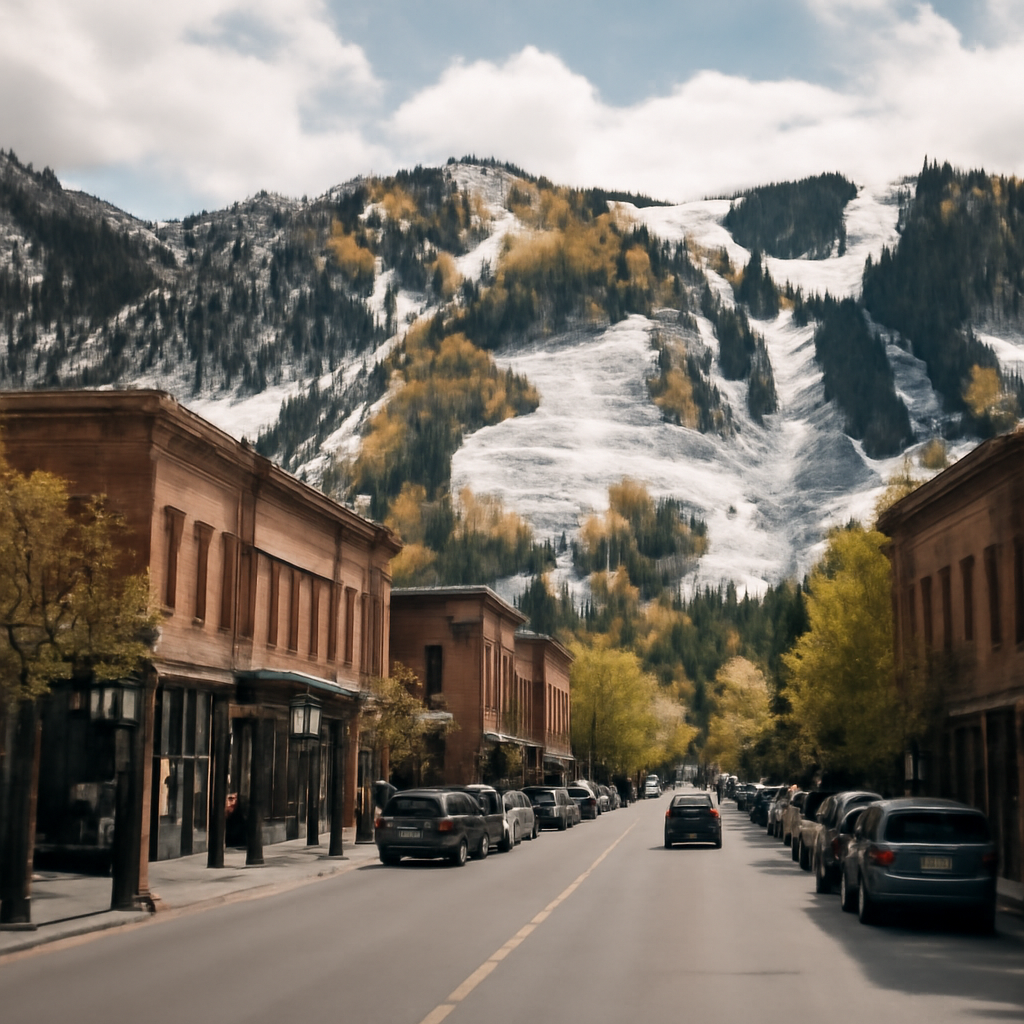
Aspen
Overview Nestled in the heart of the Rocky Mountains, Aspen is a captivating destination that draws visitors year-rou...
Explore City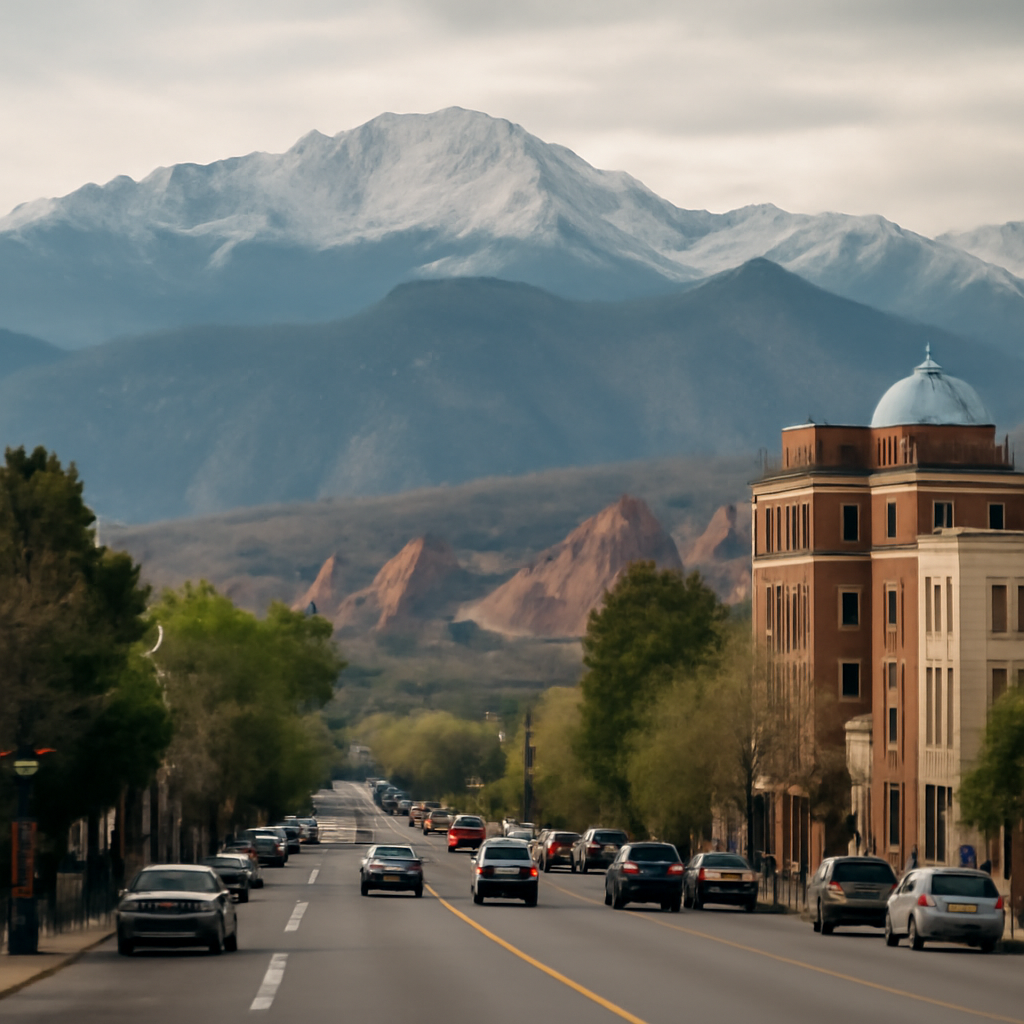
Colorado Springs
Overview Nestled at the foot of the Rocky Mountains, Colorado Springs is a vibrant city that seamlessly blends natura...
Explore City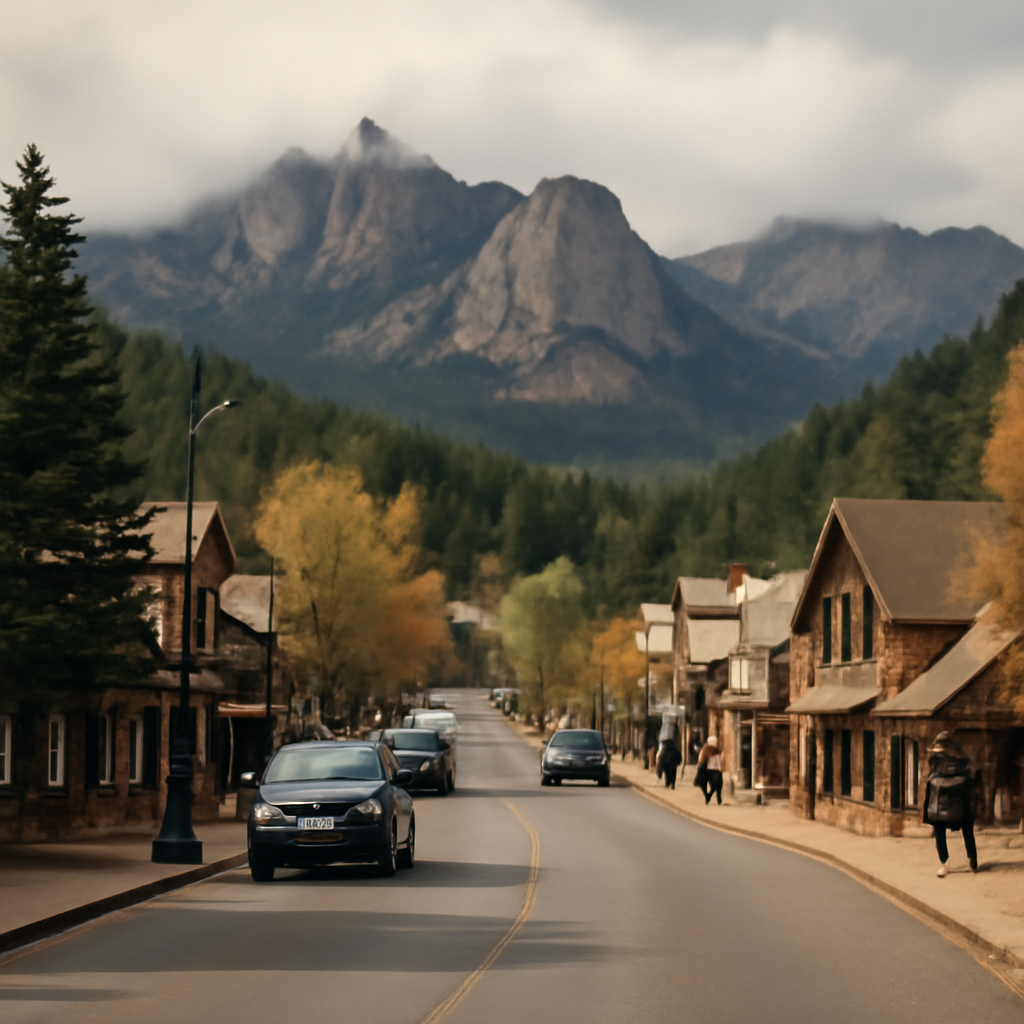
Estes Park
Overview Nestled at the gateway to Rocky Mountain National Park, Estes Park is a charming mountain town that captivat...
Explore City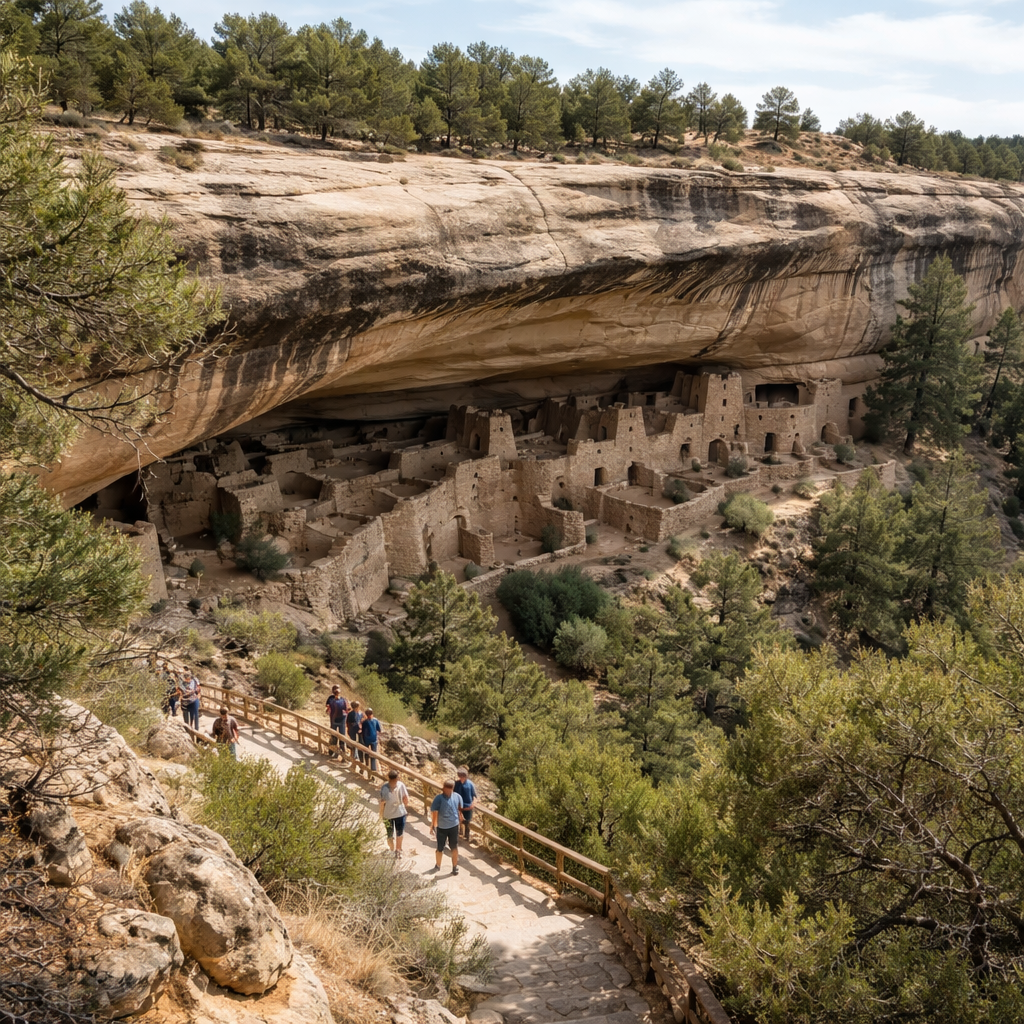
Mesa Verde
Overview Nestled in the rugged landscape of southwestern Colorado, Mesa Verde National Park offers a profound glimpse...
Explore City
Vail
Overview Nestled in the heart of the Rocky Mountains, Vail is a captivating destination that seamlessly blends outdoo...
Explore City