Rocky Mountain National Park
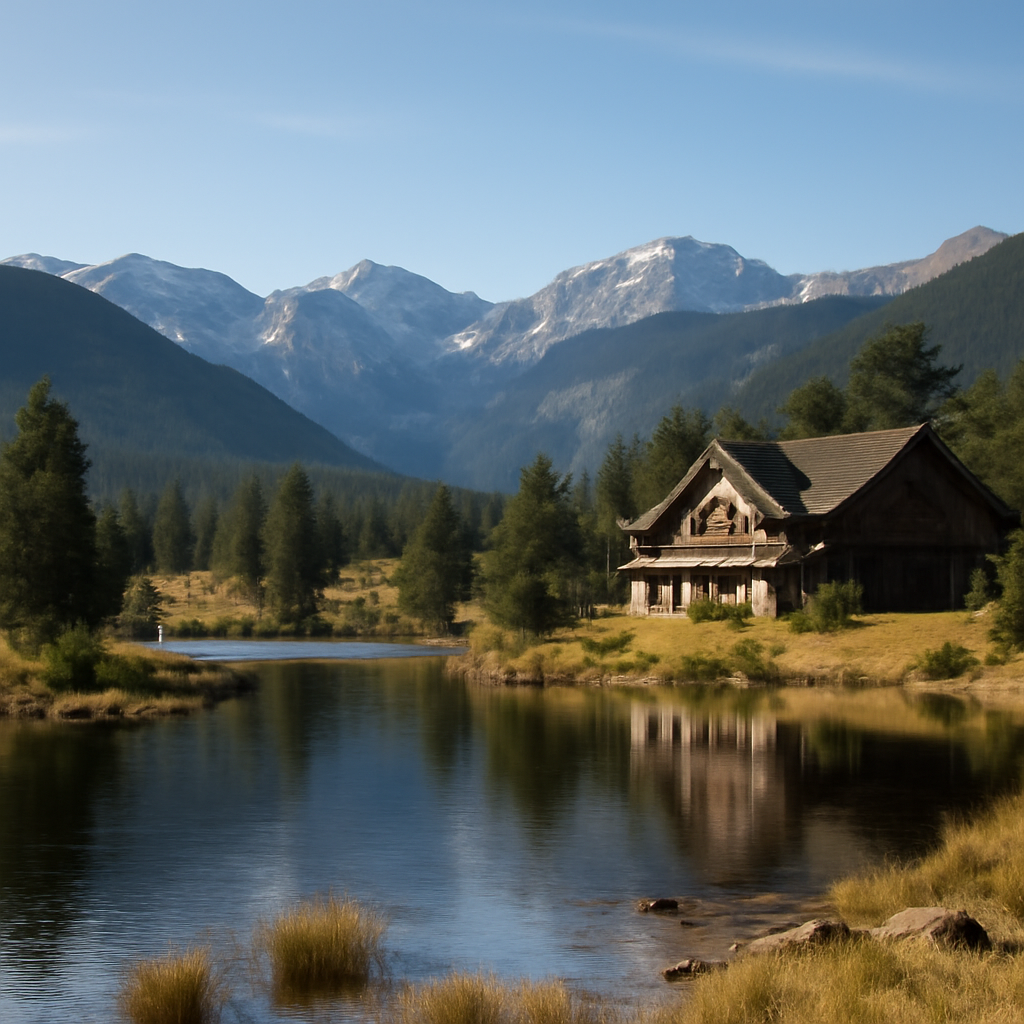
Exploring the Majesty of Rocky Mountain National Park
Origins and Historical Background
Rocky Mountain National Park, a crown jewel of the American wilderness, was established in 1915, but its story stretches back millennia. Long before it became a national park, the land was sacred to the Ute and Arapaho tribes, who revered the towering peaks and abundant wildlife. The area became a haven for explorers and settlers in the late 19th century, drawn by its breathtaking landscapes and the promise of adventure. The park's designation as a national park was driven by the desire to protect its stunning vistas and unique ecosystems, ensuring that future generations could marvel at its beauty.
Geographic Setting and Environmental Character
Nestled in the heart of the Colorado Rockies, the park spans over 415 square miles of rugged terrain, showcasing a diverse array of ecosystems that shift dramatically with elevation. From verdant forests at lower altitudes to alpine tundra at the summit of Longs Peak, visitors encounter a stunning variety of flora and fauna. The park's iconic granite peaks, glacial lakes, and cascading waterfalls create a dramatic backdrop, while the crisp mountain air invigorates the senses. The scenic Trail Ridge Road, one of the highest paved roads in North America, offers breathtaking views and access to some of the park's most popular attractions.
Distinctive Features and Experiences
What sets this national park apart is not just its stunning landscapes but also the myriad experiences it offers. Hiking enthusiasts can choose from over 300 miles of trails, ranging from leisurely walks around Bear Lake to challenging climbs up Longs Peak. Wildlife watchers will delight in spotting elk, moose, and bighorn sheep, particularly during the early morning or late afternoon when these animals are most active. The park also serves as a sanctuary for over 300 species of birds, making it a paradise for birdwatchers.
For those seeking adventure, the park offers rock climbing, horseback riding, and even winter sports like snowshoeing and cross-country skiing. The changing seasons bring unique opportunities: wildflower blooms in summer, vibrant fall foliage, and a serene blanket of snow in winter. Each visit reveals a new facet of the park's beauty, encouraging repeat explorations.
Cultural Significance
The cultural tapestry of the area is woven from the threads of Native American history, early pioneers, and modern conservation efforts. The park stands as a testament to the American spirit of preservation, embodying the belief that nature should be protected for its inherent value and for the enjoyment of all. Additionally, Estes Park, the gateway town, offers a charming blend of history and modernity, with its quaint shops, local art galleries, and rich culinary scene, further enriching the visitor experience.
Seasonal Considerations and Best Time to Visit
While the park is open year-round, the best time to visit largely depends on the experiences you seek. Summer months (June to August) are ideal for hiking and wildlife watching, as trails are accessible and the weather is warm. However, this is also the peak tourist season, so expect larger crowds. For those who prefer solitude and the vibrant colors of fall, September and October offer a stunning display of autumn foliage. Winter transforms the park into a serene wonderland, perfect for snowshoeing and cross-country skiing, though some roads may be closed due to snow.
Visitor Insights and Travel Considerations
Planning a visit requires a bit of foresight. Arrive early, especially during the summer months, to secure parking and enjoy the trails before the crowds. The park's high altitude can be challenging; acclimatization is key to avoiding altitude sickness. Be sure to pack layers, as mountain weather can change rapidly, and always carry plenty of water and snacks. For those looking to immerse themselves in the park’s beauty, consider staying in nearby Estes Park, where charming lodges and cabins provide a cozy retreat after a day of exploration.
Rocky Mountain National Park is not just a destination; it is an experience that resonates with the soul. From its majestic peaks to its vibrant wildlife, every moment spent here is a reminder of the beauty and power of nature, urging us to cherish and protect these wild spaces for generations to come.