Everglades National Park
Everglades National Park: A Journey Through Nature's Masterpiece
Origins and Historical Background
Established in 1947, this vast expanse of subtropical wilderness is the largest tropical wilderness in the United States. The land that now comprises the park was once home to the indigenous Seminole people, who thrived in harmony with the natural rhythms of the wetlands. The Everglades has long been a sanctuary for wildlife and a vital water source for South Florida, but it also faced challenges from agricultural development and urban expansion. The park's establishment marked a significant step towards conservation, preserving its unique ecosystem for future generations.
Geographic Setting and Environmental Character
Located just a short drive from Homestead, Florida, the park spans over 1.5 million acres of diverse ecosystems, including sawgrass marshes, mangroves, and hardwood swamps. The Everglades is often described as a slow-moving river, flowing south from Lake Okeechobee to Florida Bay. This unique hydrology supports a rich tapestry of life, from the iconic American alligator to the elusive manatee and over 360 species of birds. The landscape is punctuated by cypress domes and pinelands, creating a stunning backdrop for exploration.
Distinctive Features of the Everglades
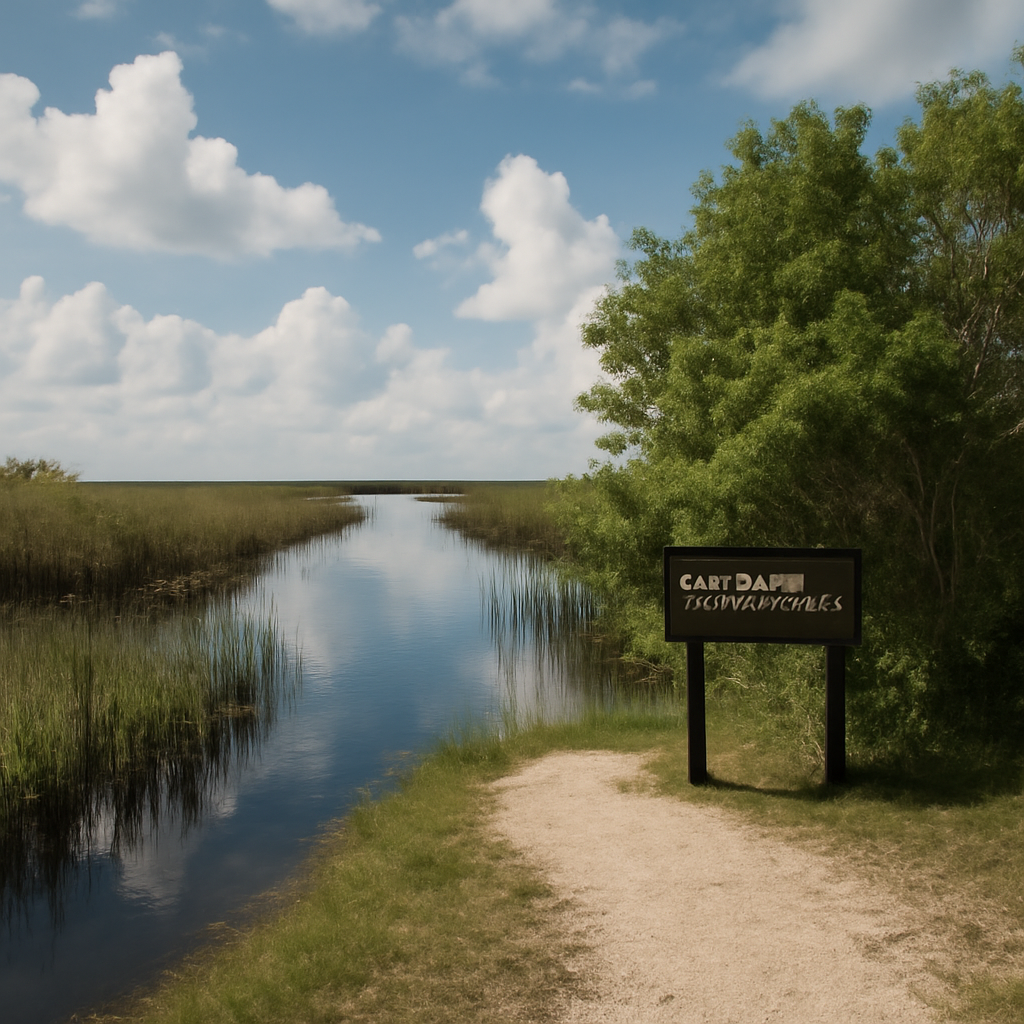
What sets this destination apart is its unparalleled biodiversity and the intricate balance of its ecosystems. It serves as a crucial habitat for endangered species, including the Florida panther and the West Indian manatee. The park's vast wetlands act as a natural filter, improving water quality and providing flood protection for surrounding communities. Visitors are often struck by the serene beauty of the landscape, where the vast skies reflect in the still waters, creating a sense of tranquility that is hard to find elsewhere.
Experiences and Highlights
For those venturing into the Everglades, a multitude of experiences awaits. The park offers various ways to explore its wonders:
- Airboat Tours: Glide across the waters on an airboat, where the thrill of speed meets the chance to spot alligators and exotic birds in their natural habitat.
- Kayaking and Canoeing: Paddle through mangrove tunnels and serene waterways, immersing yourself in the sights and sounds of the wetlands.
- Hiking Trails: Wander along trails like the Anhinga Trail, where you can observe wildlife up close and appreciate the lush surroundings.
- Wildlife Viewing: Bring binoculars for birdwatching or simply enjoy the chance to see the diverse fauna that calls this place home.
Cultural and Regional Significance
The Everglades is not just a national park; it is a cultural icon for Florida. It represents the delicate balance between human development and environmental preservation. Local communities, including the Seminole and Miccosukee tribes, maintain a deep connection to the land, weaving their heritage into the fabric of the park's identity. The Everglades also plays a vital role in South Florida's water supply, influencing agriculture, tourism, and urban planning in the region.
Seasonal Considerations and Best Time to Visit
While the park is open year-round, the best time to visit is during the dry season, from December to April. During these months, the weather is cooler and less humid, making it ideal for outdoor activities. The wet season, which runs from May to November, brings afternoon thunderstorms and higher humidity, but it also transforms the landscape, attracting migratory birds and vibrant blooms. Each season offers a unique perspective on the park's changing beauty.
Visitor Insights and Travel Considerations
When planning your visit, consider starting at the Ernest F. Coe Visitor Center, where friendly rangers can provide valuable insights and tips for exploring the park. Wear comfortable clothing and sturdy footwear, and don't forget sunscreen and insect repellent. Hydration is key, especially during the warmer months. Whether you're seeking adventure or a quiet retreat into nature, the Everglades promises an unforgettable experience that resonates long after you leave.