Merritt Island National Wildlife Refuge
Merritt Island National Wildlife Refuge: A Sanctuary of Nature
Origins and Historical Background
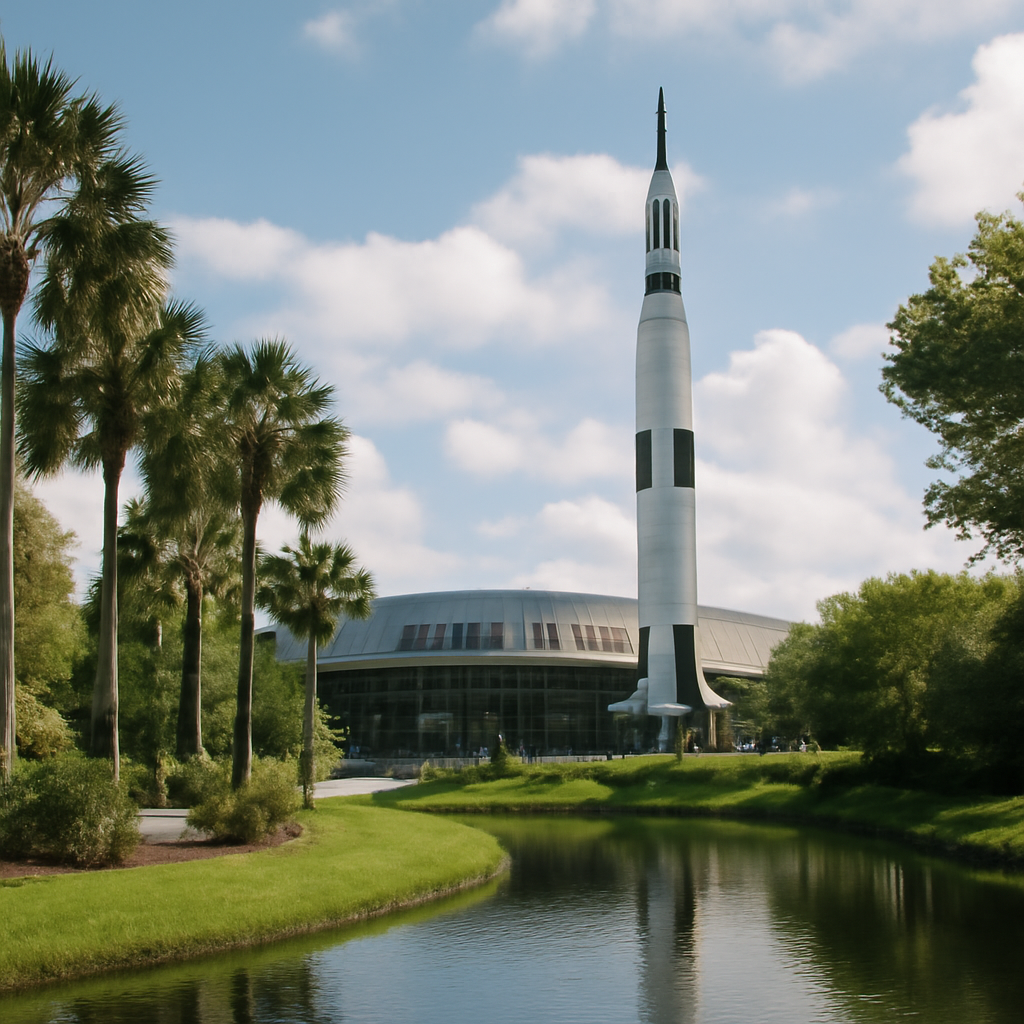
Nestled along the east coast of Florida, Merritt Island National Wildlife Refuge stands as a testament to the region's commitment to preserving its natural heritage. Established in 1963, the refuge was born from a vision to protect the diverse ecosystems that thrive in this unique coastal landscape. Originally part of the Kennedy Space Center, the area was repurposed to create a sanctuary for wildlife, balancing the needs of conservation with the technological advancements of the space program. Today, it encompasses over 140,000 acres of wetlands, uplands, and coastal habitats, providing a vital refuge for countless species.
Geographic Setting and Environmental Character
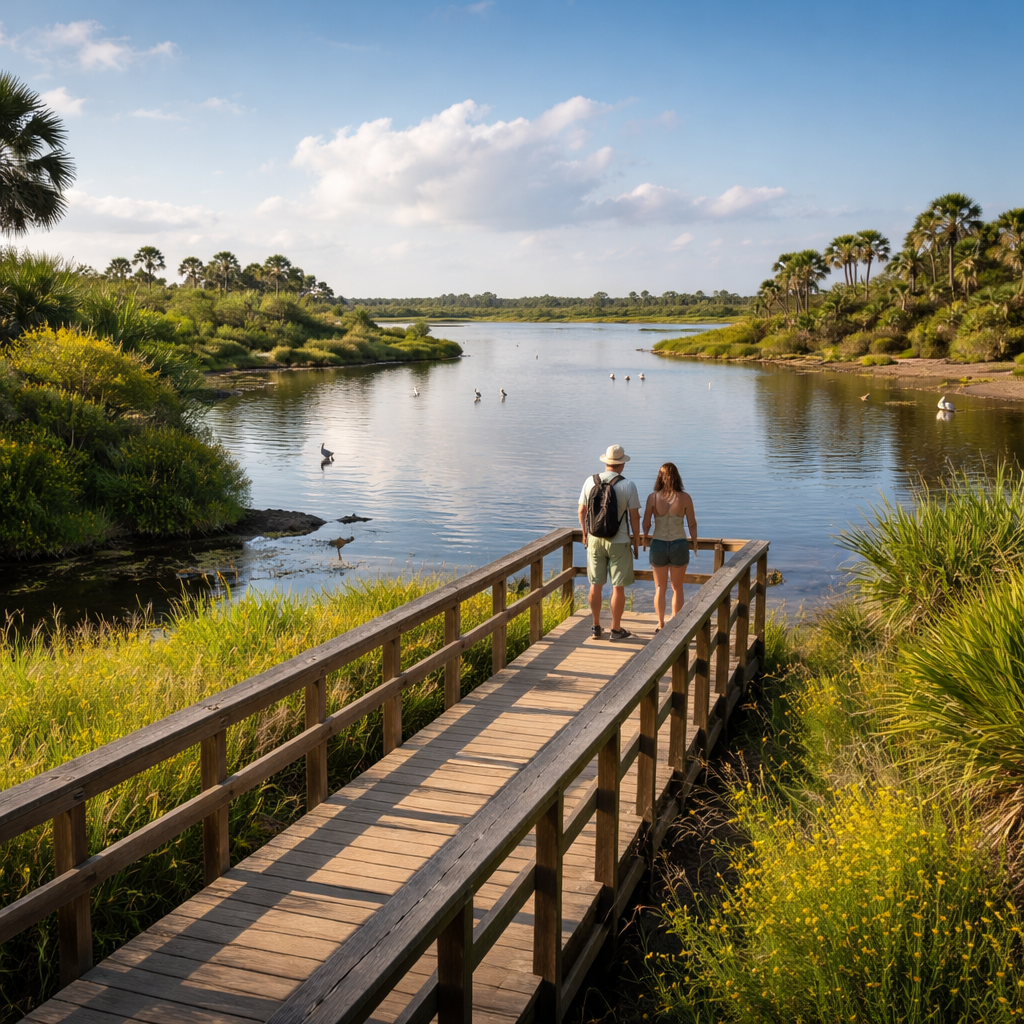
The refuge is strategically located on Merritt Island, bordered by the Indian River Lagoon to the west and the Atlantic Ocean to the east. This geographic positioning creates a rich tapestry of ecosystems, from salt marshes and mangroves to hardwood swamps and pine forests. The landscape is a mosaic of habitats that support a remarkable diversity of flora and fauna. Visitors are often struck by the tranquility of the area, punctuated by the calls of birds and the gentle rustle of leaves in the breeze. The interplay of water and land creates a serene environment that feels worlds away from the hustle of nearby cities.
Distinctive Features of the Refuge
What sets this wildlife refuge apart is its remarkable biodiversity, making it a key stopover for migratory birds along the Atlantic Flyway. Over 300 species of birds have been recorded here, including the endangered Florida scrub-jay and the majestic bald eagle. The refuge also serves as a habitat for a variety of mammals, reptiles, and amphibians, including the elusive manatee and the threatened gopher tortoise. The intricate network of trails and observation points allows visitors to immerse themselves in this vibrant ecosystem, offering a unique opportunity to witness wildlife in their natural habitats.
Experiences and Highlights
Exploring the refuge is an adventure in itself. The Black Point Wildlife Drive, a 7-mile loop, invites visitors to experience the landscape at a leisurely pace. As you drive along, keep your eyes peeled for alligators basking in the sun, flocks of roseate spoonbills wading in the shallows, and the occasional splash of a dolphin in the distance. For those who prefer a more active experience, hiking and biking trails weave through the refuge, leading to picturesque views and serene spots perfect for birdwatching or photography.
One of the most rewarding experiences is the chance to witness the seasonal changes in the refuge. Spring brings a burst of color as wildflowers bloom, while fall marks the arrival of migratory birds. The changing seasons not only enhance the beauty of the landscape but also provide unique opportunities for wildlife observation, making each visit a new adventure.
Cultural and Regional Significance
The refuge is more than just a haven for wildlife; it holds cultural significance for the local communities. It serves as an educational resource, with programs aimed at fostering a deeper understanding of the environment and the importance of conservation. Local schools often partner with the refuge to provide students with hands-on learning experiences, instilling a sense of stewardship for the natural world. Additionally, the refuge plays a crucial role in supporting eco-tourism in the region, attracting visitors who seek to connect with nature and enjoy outdoor activities.
Seasonal Considerations and Best Time to Visit
While the refuge is open year-round, the best time to visit is during the cooler months from November to March. This period coincides with the peak migration season, offering the best opportunities for birdwatching and wildlife spotting. The mild temperatures make outdoor activities more enjoyable, allowing visitors to fully appreciate the beauty of the landscape without the sweltering heat of summer. However, even in the summer, early morning or late afternoon visits can yield rewarding experiences as wildlife is more active during these cooler parts of the day.
Visitor Insights and Travel Considerations
For those planning a trip, it’s essential to come prepared. Bring binoculars for birdwatching, a camera to capture the stunning scenery, and plenty of water, especially during warmer months. The refuge has several visitor centers that provide maps, information, and educational resources to enhance your experience. Additionally, consider participating in guided tours or ranger-led programs to gain a deeper understanding of the refuge's ecology and history.
Ultimately, a visit to this wildlife refuge is not just a chance to escape into nature; it is an opportunity to connect with the delicate balance of ecosystems and the importance of preserving them for future generations. Whether you are a seasoned nature enthusiast or a casual observer, the refuge offers a unique experience that resonates long after you leave its tranquil shores.