Holocaust Memorial Miami Beach
Holocaust Memorial Miami Beach
Origins and Historical Background
In the heart of Miami Beach, a city known for its vibrant nightlife and stunning beaches, lies a poignant reminder of human resilience and the darker chapters of history. The Holocaust Memorial was dedicated in 1990, a project born out of the vision of Holocaust survivors who sought to ensure that the memories of their lost loved ones and the atrocities they endured would not fade into obscurity. Designed by architect Kenneth Treister, the memorial is not merely a structure but a powerful narrative etched into the landscape of Florida, representing the collective memory of a community that has faced unimaginable loss.
Geographic Setting and Architectural Character
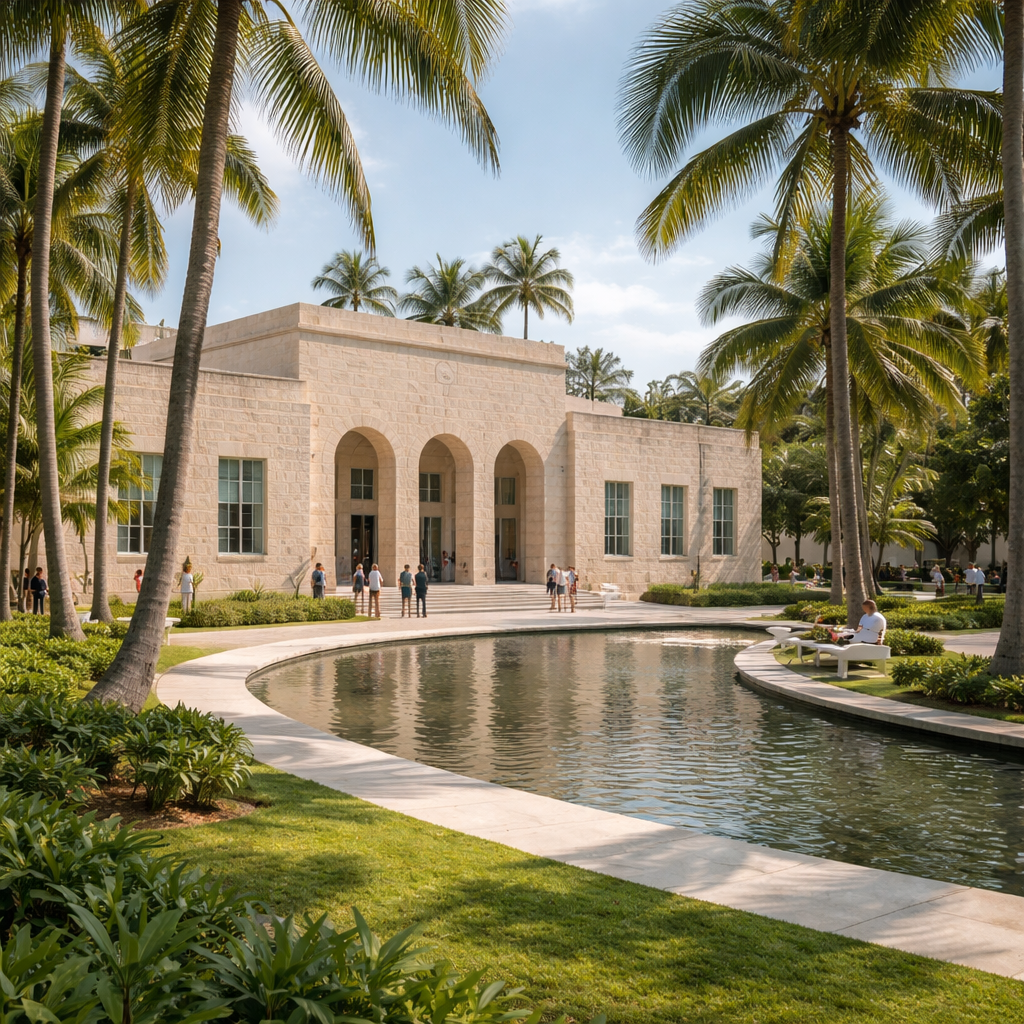
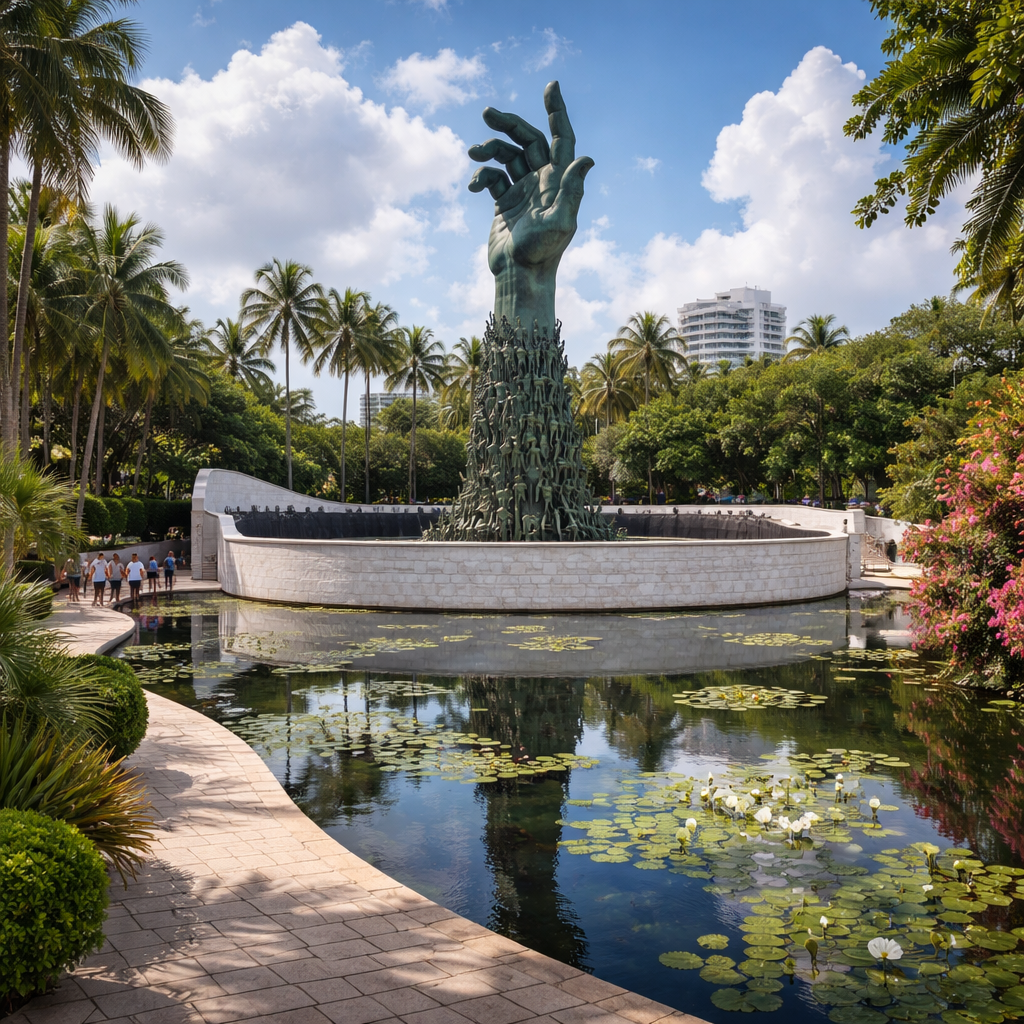
Nestled within a tranquil garden setting, the memorial is a striking contrast to the bustling streets of Miami Beach. Surrounded by lush greenery, the site features a towering sculpture of a hand reaching toward the sky, symbolizing the struggle for survival and hope. This 40-foot-high bronze hand is encircled by a serene pond, where visitors can reflect on the significance of the space. The memorial's design is intentional, creating an atmosphere of contemplation and reverence amidst the lively backdrop of the city.
Distinct Features of the Memorial
What sets this memorial apart is not just its striking visual elements, but the stories it tells. Visitors can explore a series of engraved stone panels that recount the history of the Holocaust, detailing the experiences of victims and survivors. Each panel serves as a narrative thread, weaving together personal stories of loss, courage, and resilience. The memorial also features a sculpture garden where various artworks honor those who perished, making it a unique blend of art and history.
Experiences and Highlights
As you approach the memorial, the atmosphere shifts. The sounds of the city fade, replaced by a profound silence that invites introspection. Visitors often spend time walking through the garden, pausing at the panels to absorb the stories they convey. The reflective pond, often dotted with lilies, provides a peaceful spot for contemplation, allowing individuals to connect with the past in a personal way. Guided tours are available, offering deeper insights into the memorial's significance and the history it represents.
Cultural Significance
The Holocaust Memorial stands as a vital cultural landmark, not only for the Jewish community but for all who value remembrance and education. It serves as a reminder of the atrocities of hatred and intolerance, urging visitors to reflect on the importance of compassion and understanding in today's world. The site often hosts educational programs, lectures, and commemorative events, fostering dialogue about the Holocaust and its implications for contemporary society.
Seasonal Considerations and Best Time to Visit
Miami Beach enjoys a tropical climate, making it a year-round destination. However, the best time to visit the memorial is during the cooler months, from November to April, when the weather is pleasant for outdoor exploration. Special events and commemorations, particularly around Holocaust Remembrance Day, draw larger crowds and provide unique opportunities for engagement and learning.
Visitor Insights and Travel Considerations
While the memorial is free to enter, donations are encouraged to support its ongoing educational efforts. Visitors should allow ample time to explore the grounds and engage with the exhibits, as the experience can be emotionally charged. It’s advisable to approach the visit with a sense of respect and openness, ready to confront the difficult yet essential narratives that the memorial presents. Parking can be limited in the area, so consider using public transportation or rideshare services for convenience.
Conclusion
In a city celebrated for its vibrancy and energy, the Holocaust Memorial Miami Beach offers a necessary pause—an invitation to reflect on history, honor the past, and consider the future. It is a place where art meets remembrance, encouraging all who visit to carry forward the lessons learned and to promote a world grounded in empathy and understanding.