Conservation Park
Exploring Conservation Park: Nature’s Oasis in Panama City Beach
Nestled in the heart of Panama City Beach, Florida, Conservation Park offers a tranquil escape from the bustling beaches and crowded tourist attractions. This 2,900-acre natural sanctuary is a testament to the region’s commitment to preserving its unique ecosystems and provides a rich tapestry of experiences for nature lovers, families, and outdoor enthusiasts alike.
Origins and Historical Context
The park’s origins trace back to the efforts of local conservationists and the City of Panama City Beach, who recognized the need to protect the area’s diverse habitats. Established in the early 2000s, Conservation Park was designed to safeguard the coastal ecosystems that are vital to the area’s wildlife. The park is not just a recreational area; it is a living classroom, showcasing the delicate balance of nature that has existed long before the high-rises and entertainment venues took shape along the coast.
Geographic Setting and Environmental Character
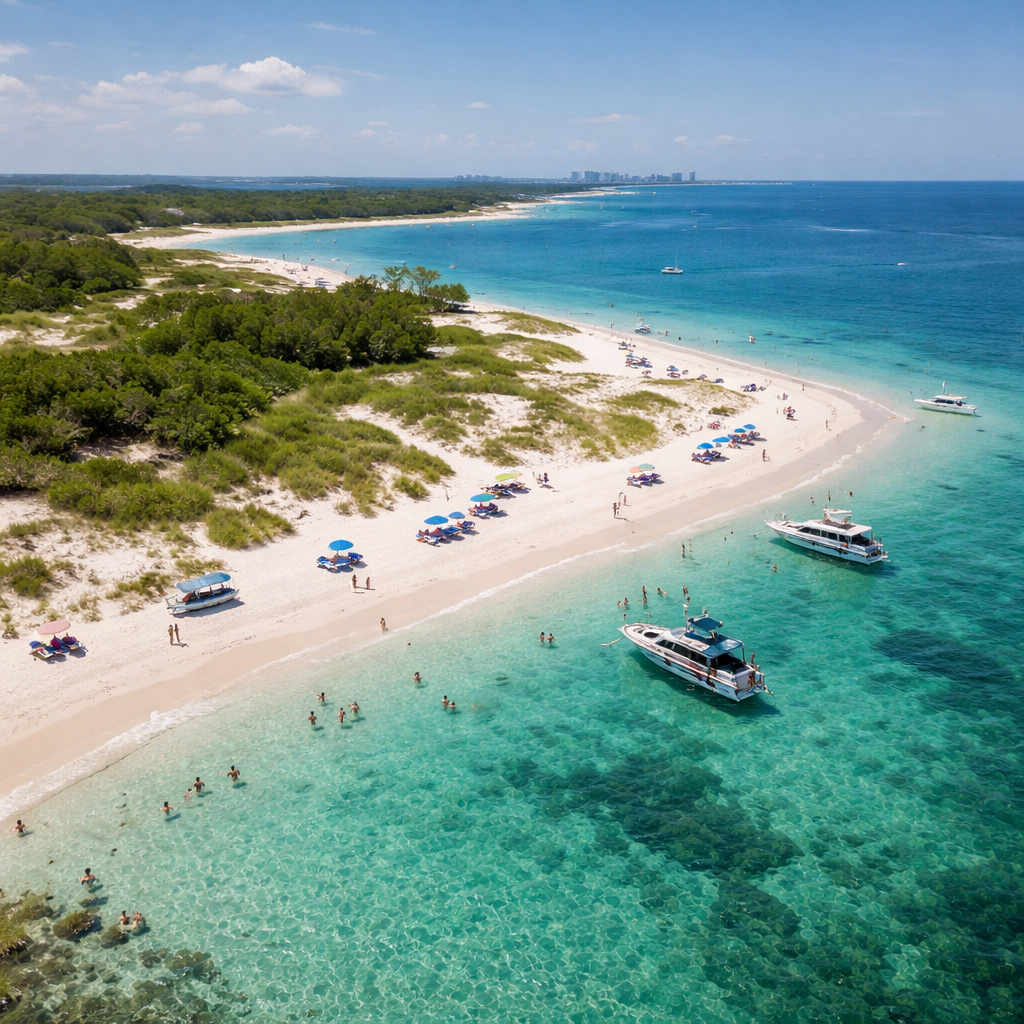
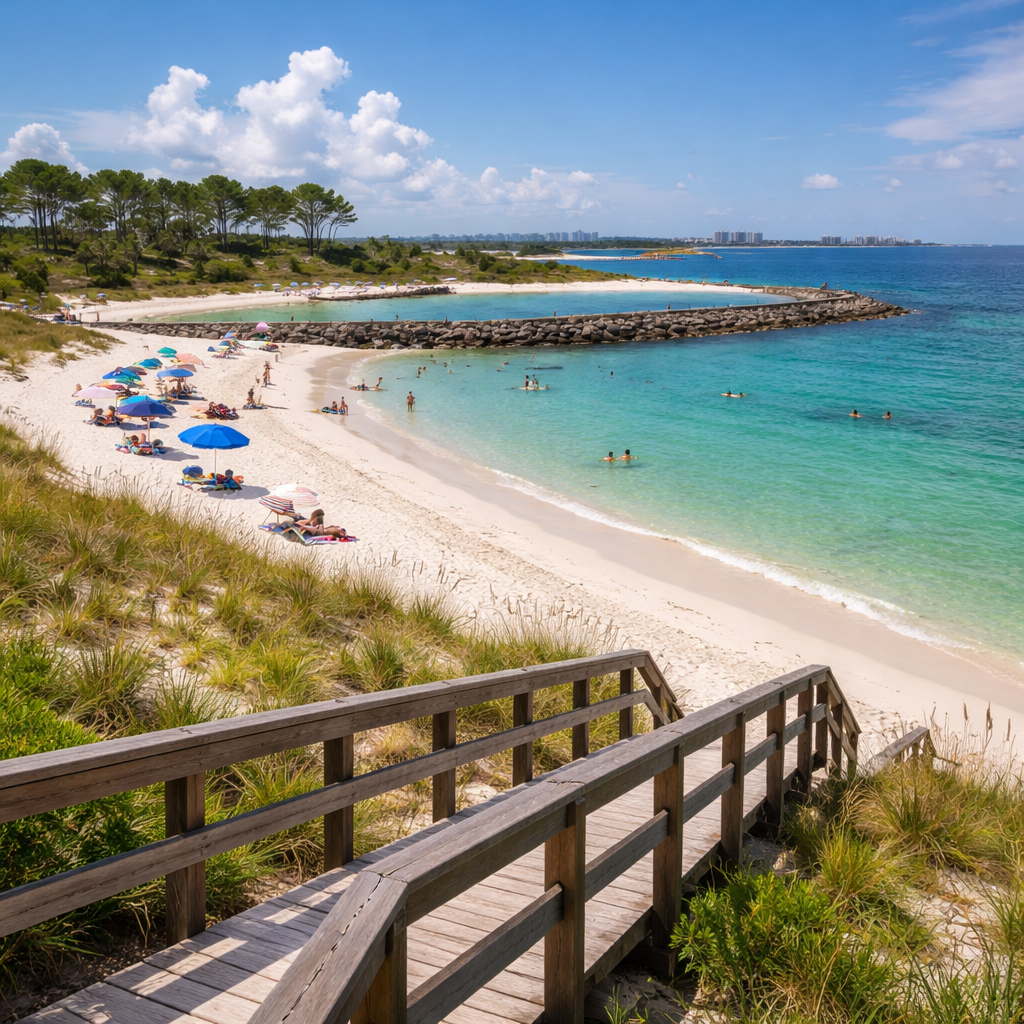
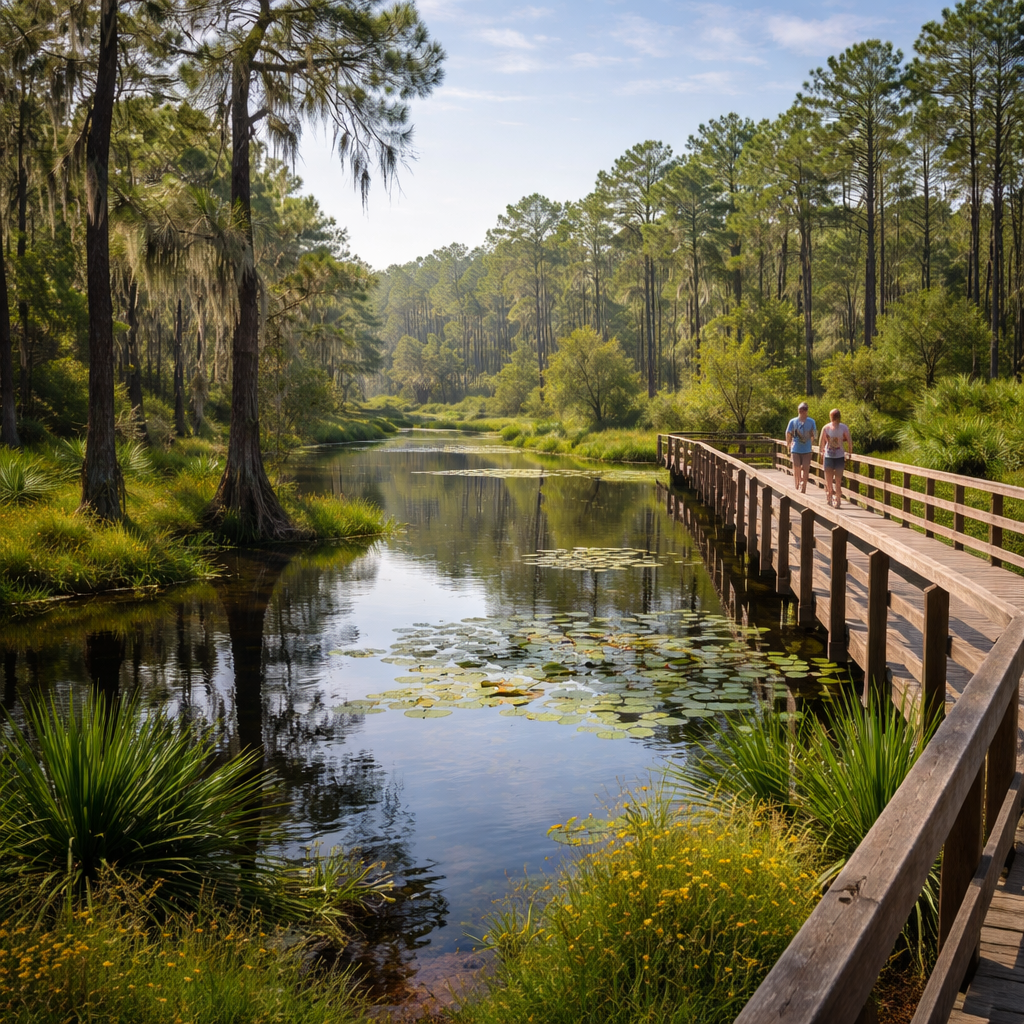
Conservation Park is characterized by its stunning natural landscapes, which include wetlands, pine forests, and coastal dune ecosystems. The park’s trails wind through a variety of environments, allowing visitors to experience the rich biodiversity that thrives here. From the rustling of the longleaf pines to the gentle croaks of frogs in the wetlands, the sounds of nature envelop you, creating a serene atmosphere that feels worlds away from the nearby urban sprawl.
Distinctive Features of the Park
What sets this park apart from other natural attractions in the region is its extensive network of trails. With over 24 miles of paved and unpaved paths, it caters to hikers, bikers, and bird watchers. The trails vary in difficulty, making it accessible for families with young children as well as seasoned adventurers. Along the way, visitors can spot a variety of wildlife, including deer, rabbits, and an array of bird species, making it a prime location for birdwatching enthusiasts.
Experiences and Highlights
- Hiking and Biking: The park boasts multiple trails that meander through different ecosystems. The more adventurous can explore the rugged unpaved paths, while those seeking a leisurely stroll can enjoy the paved routes.
- Wildlife Observation: Bring your binoculars! The park is home to numerous bird species, including herons and egrets, as well as other wildlife that can often be spotted along the trails.
- Picnicking: Several picnic areas are scattered throughout the park, providing perfect spots to relax and enjoy a meal surrounded by nature.
- Educational Programs: The park often hosts educational programs and guided nature walks, allowing visitors to learn more about the local flora and fauna from knowledgeable guides.
Cultural and Regional Significance
Conservation Park is more than just a recreational area; it is a vital component of Panama City Beach’s ecological health and cultural heritage. The park plays an essential role in preserving the region’s natural beauty and serves as a reminder of the importance of conservation efforts. It reflects the community’s values, emphasizing sustainability and respect for the environment, which resonates with both locals and visitors.
Seasonal Considerations and Best Time to Visit
While the park is open year-round, the best time to visit is during the spring and fall months when temperatures are mild and the flora is in full bloom. Spring brings vibrant wildflowers and active wildlife, while fall offers cooler temperatures and stunning foliage. Summer can be quite hot and humid, making early mornings or late afternoons the ideal times for outdoor activities. Winter, though cooler, provides a unique opportunity to experience the park’s tranquility, often with fewer visitors.
Visitor Insights and Travel Considerations
Before heading to Conservation Park, consider wearing comfortable shoes and bringing plenty of water, especially if you plan to hike or bike. Sunscreen and insect repellent are also advisable, as the Florida sun can be intense, and the park’s natural areas may have mosquitoes. Additionally, check the park’s schedule for any special events or educational programs that might enhance your visit.
In an age where urban development often encroaches on natural spaces, Conservation Park stands as a beacon of hope and a reminder of the beauty that can be preserved. Whether you’re seeking adventure, tranquility, or a deeper connection with nature, this park offers an experience that resonates long after you leave its trails.