Historic Pensacola Village
Discovering Historic Pensacola Village
Origins and Historical Background
Nestled in the heart of Pensacola, Florida, the Historic Pensacola Village stands as a living testament to the rich tapestry of American history. Established in the early 18th century, this area was originally a Spanish settlement and has since evolved through the influences of various cultures, including French, British, and American. The village encapsulates over 450 years of history, making it a significant site for understanding the development of the Gulf Coast region.
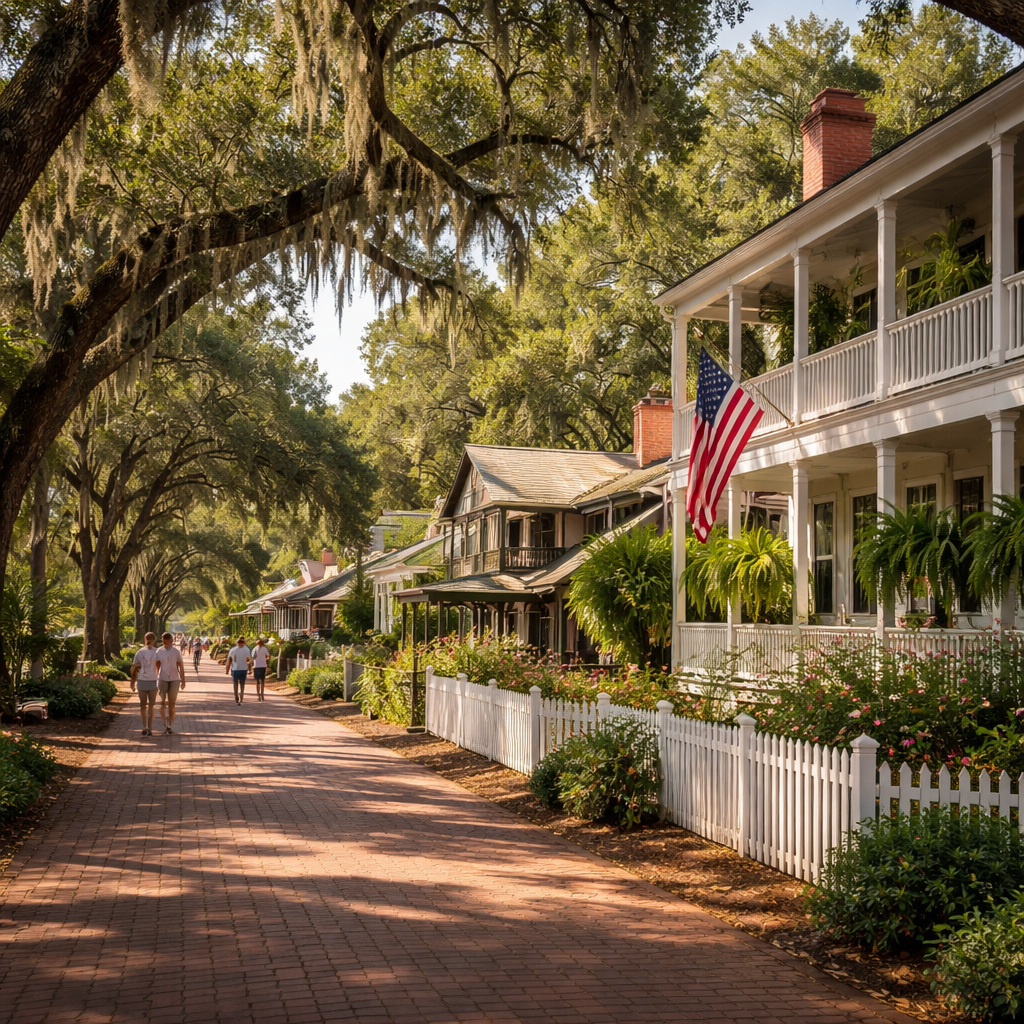
As you stroll through the cobblestone streets, you’ll find structures dating back to the 1800s, each telling its own story. The village is home to several historic buildings, including the Julee Cottage, one of the oldest surviving structures in Florida, and the Old Christ Church, which dates back to 1832. These buildings are not mere relics; they are windows into the past, allowing visitors to immerse themselves in the lives of those who once called this place home.
Geographic Setting and Architectural Character
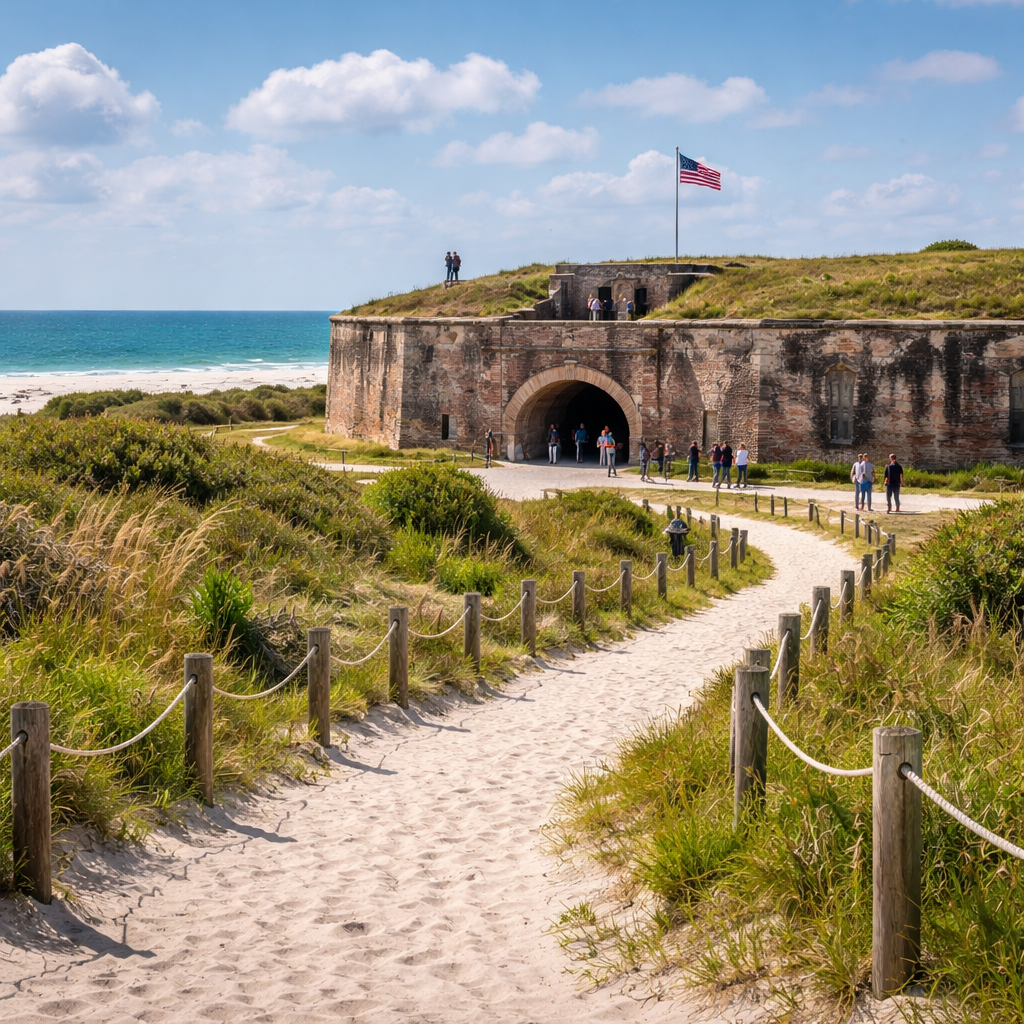
Located along the picturesque shores of Pensacola Bay, the village is characterized by its charming architecture, reflecting a blend of colonial and antebellum styles. The vibrant colors of the buildings contrast beautifully with the lush greenery of the surrounding landscape, creating a serene yet historically rich environment. The gentle sounds of the bay and the warm Florida sun set the perfect backdrop for exploration.
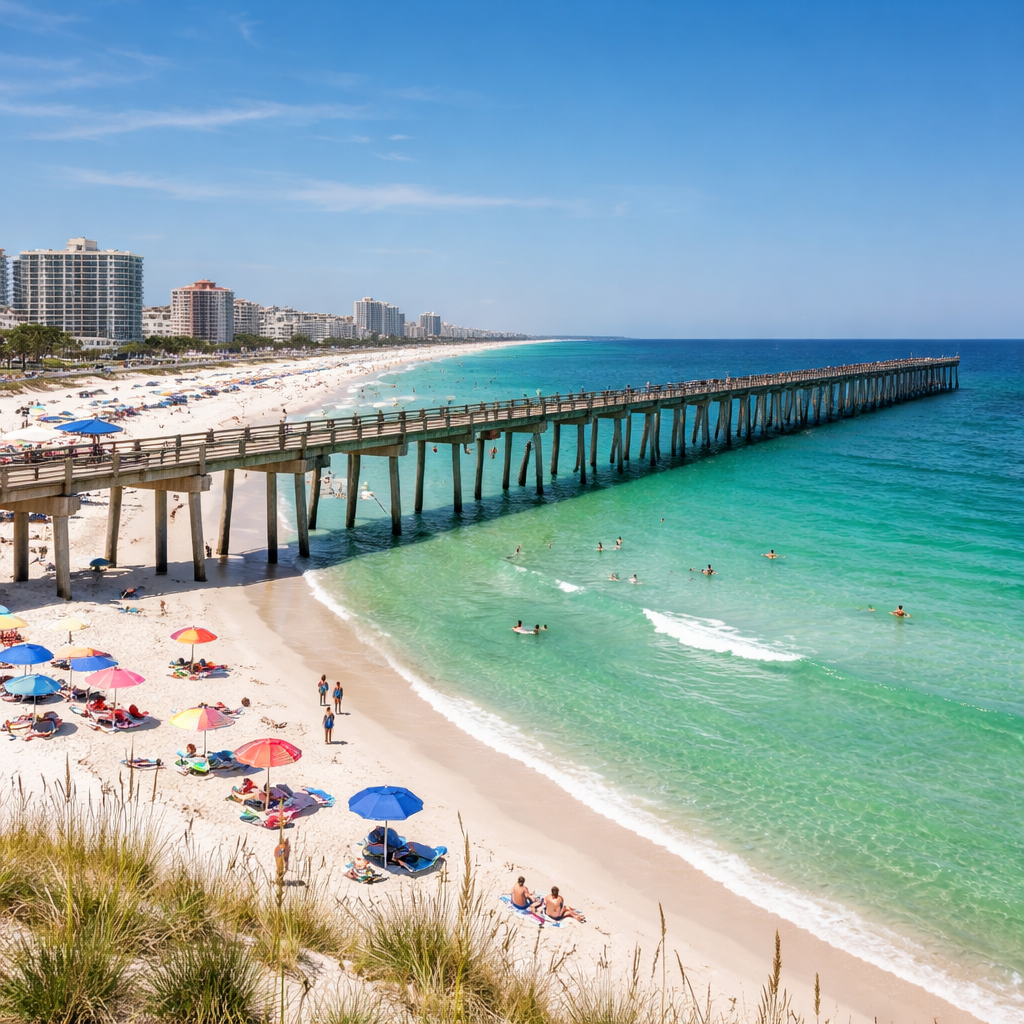
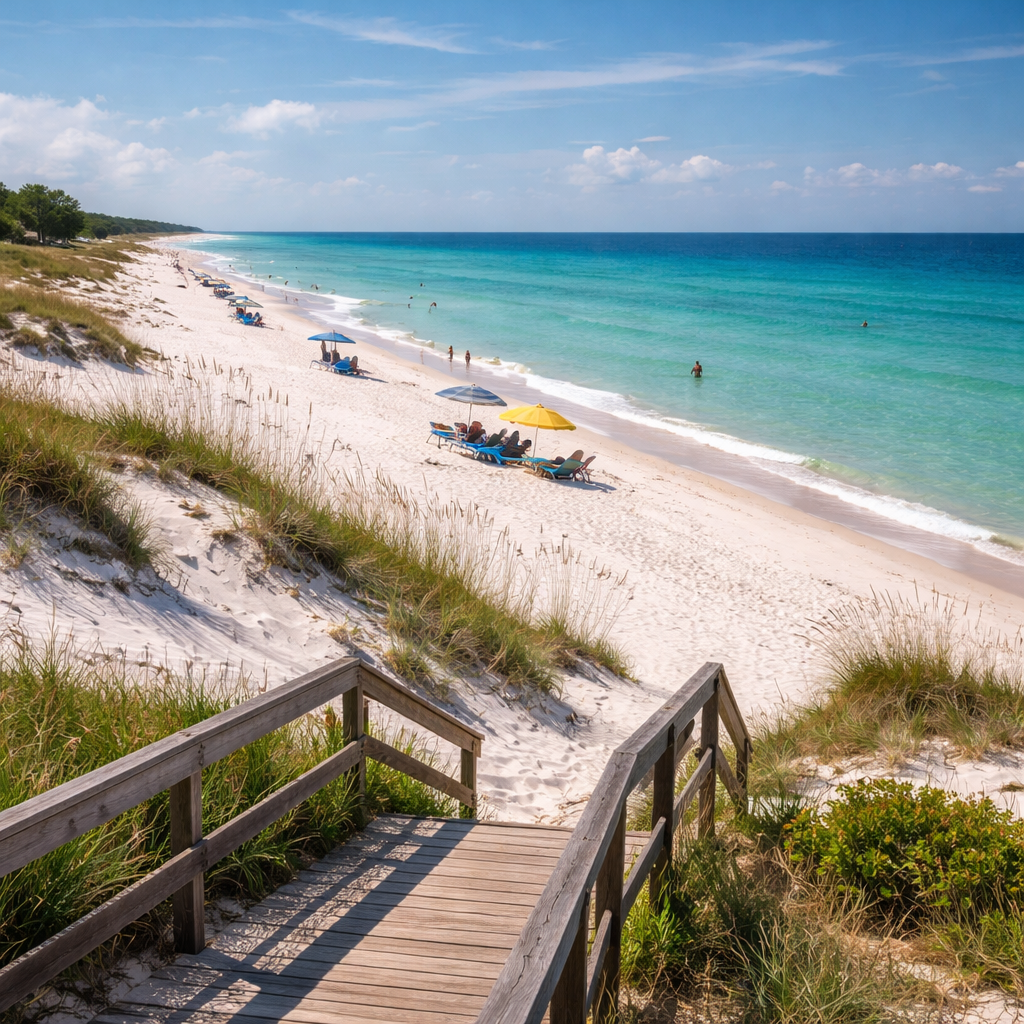
The layout of the village encourages wandering, with pathways leading to quaint gardens and quiet courtyards. As you explore, you may catch glimpses of the nearby waterfront, where the horizon meets the azure skies, further enhancing the village's charm. The historical significance of this area is magnified by its geographical context, as it played a crucial role in maritime trade and military endeavors throughout its history.
Distinctive Features and Experiences
What sets Historic Pensacola Village apart from other historical sites is its commitment to interactive learning. Visitors are not just passive observers; they are invited to engage with history through various programs and demonstrations. Costumed interpreters bring the past to life, sharing stories and showcasing traditional crafts, from blacksmithing to candle-making.
A highlight of any visit is the opportunity to explore the museums housed within the village. The Pensacola Museum of History offers fascinating exhibits that delve into the region’s past, while the T.T. Wentworth Jr. Florida State Museum provides insights into the broader narrative of Florida's development. Each museum is a treasure trove of artifacts, photographs, and stories that deepen your understanding of this vibrant area.
Cultural Significance
Historic Pensacola Village is not just a collection of old buildings; it is a cultural hub that celebrates the diverse heritage of the region. The village often hosts events that showcase local traditions, art, and music, inviting both residents and visitors to participate in the ongoing narrative of Pensacola. From annual festivals to educational workshops, there is always something happening that honors the community’s rich cultural fabric.
Moreover, the village’s proximity to the Gulf of Mexico has shaped its identity and economy, making it a focal point for understanding the interplay between environment and culture. The fishing, shipping, and naval history of Pensacola are deeply intertwined with the village's development, making it a crucial site for those interested in maritime history.
Seasonal Considerations and Best Times to Visit
The climate in Pensacola is typically warm and inviting, with mild winters and hot summers. The best time to visit Historic Pensacola Village is during the spring and fall when temperatures are more temperate, making it ideal for leisurely strolls through the village. Spring brings blooming flowers and vibrant colors, while fall offers a crispness in the air that enhances the historical ambiance.
Summer can be quite hot, but it also brings a lively atmosphere with various events and activities. If you choose to visit during this time, be sure to stay hydrated and take breaks in the shade to fully enjoy your experience.
Visitor Insights and Travel Considerations
When planning your visit, consider purchasing a combination ticket that grants access to multiple museums and attractions within the village. This not only saves money but also allows you to fully immerse yourself in the historical experiences available. Guided tours are also offered, providing deeper insights into the significance of each site.
Parking is available nearby, but it can fill up quickly during peak tourist seasons and special events. Arriving early can enhance your experience, allowing you to explore the village at a leisurely pace before the crowds arrive.
Whether you are a history buff, a cultural enthusiast, or simply seeking a unique experience, Historic Pensacola Village offers a captivating glimpse into the past, reminding us of the stories that shape our present and future.