Tarpon Bay Explorers
Exploring Tarpon Bay: An Ecological Gem on Sanibel Island
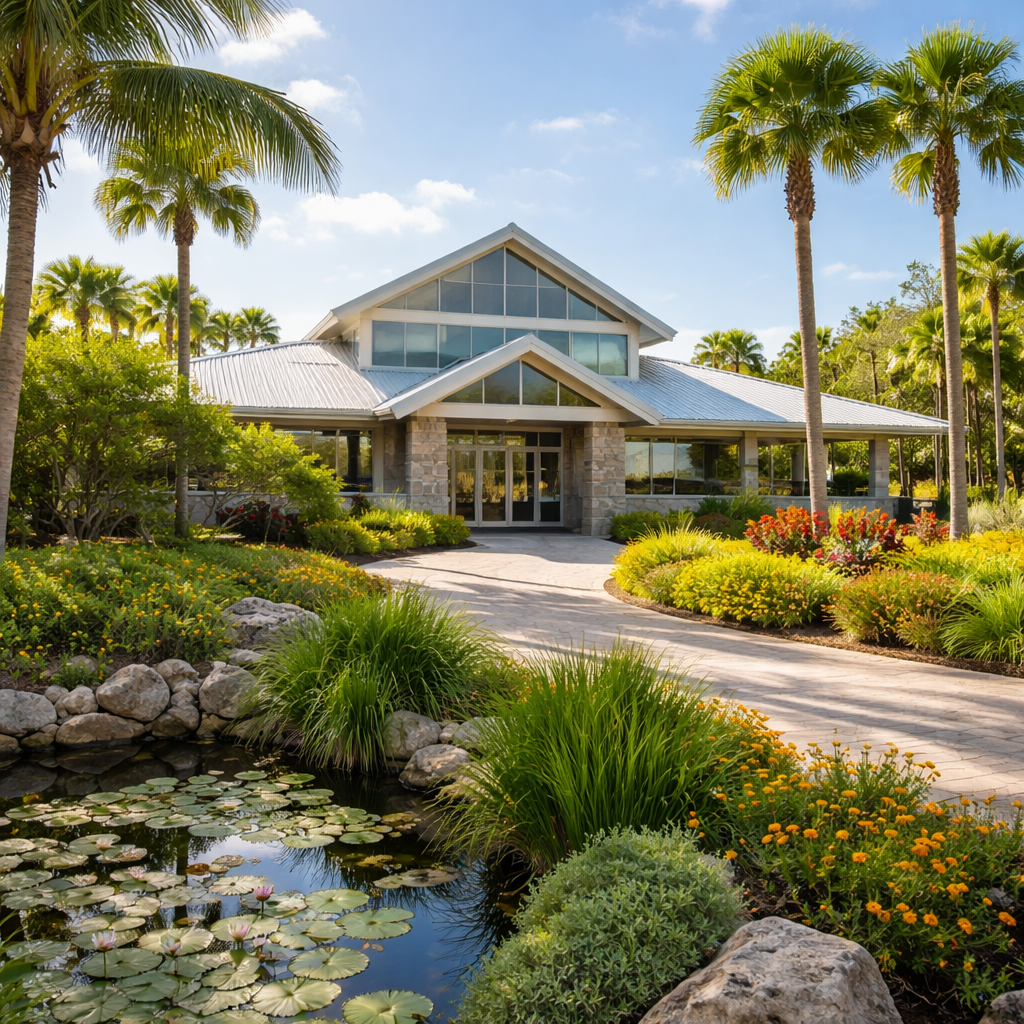
Nestled within the lush landscapes of Sanibel Island, Florida, Tarpon Bay Explorers serves as a gateway to the natural wonders of the region. This eco-tourism hub invites visitors to immerse themselves in the vibrant ecosystems that define this coastal paradise. With its unique blend of adventure and education, it stands out as a must-visit destination for nature enthusiasts and casual travelers alike.
Origins and Historical Background
Sanibel Island has a rich history that dates back thousands of years, with the Calusa Indians being the island's first known inhabitants. They thrived on the natural resources of the land and waters, leaving behind a legacy that is still felt today. The island was later discovered by European explorers in the 16th century, but it remained largely undeveloped until the 20th century. The establishment of Tarpon Bay Explorers in the 1990s marked a significant shift towards eco-conscious tourism, emphasizing the importance of preserving the island's delicate ecosystems while providing educational experiences for visitors.
Geographic Setting and Environmental Character
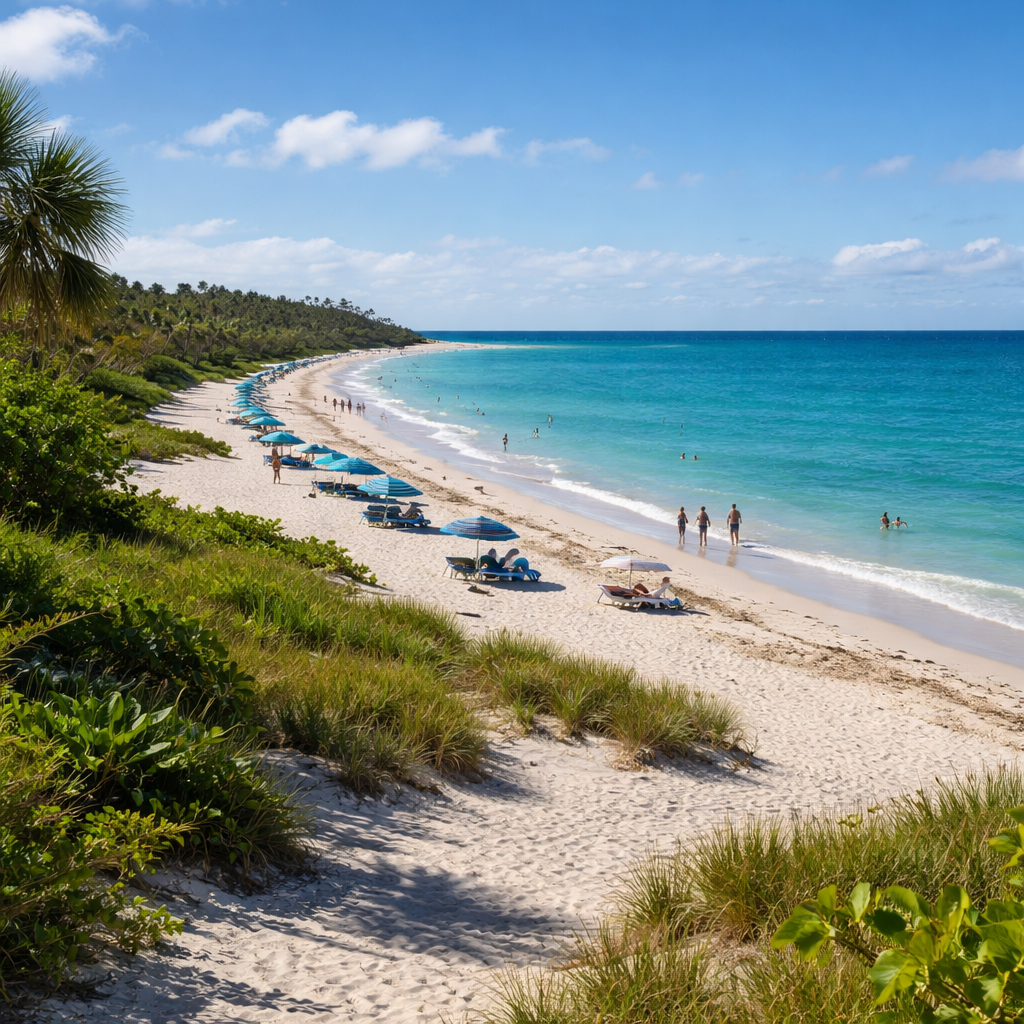
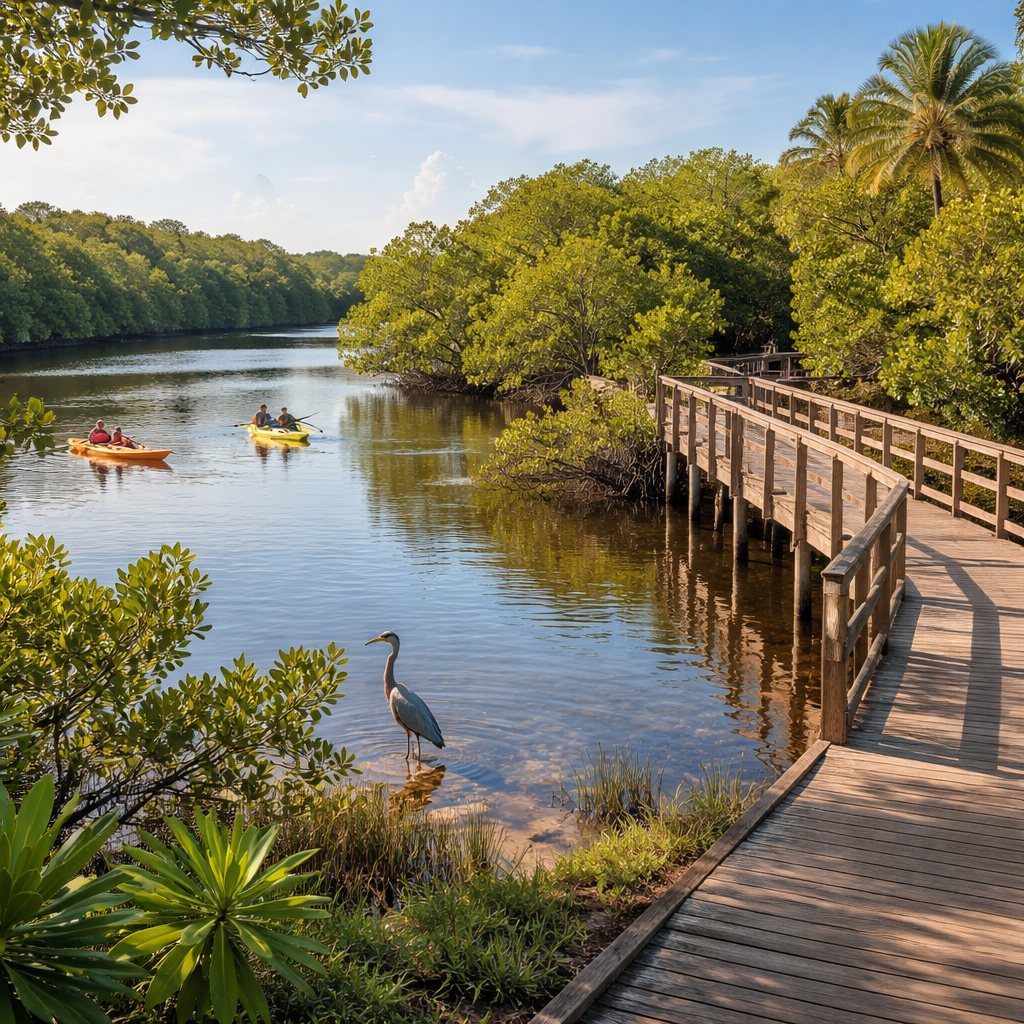
Sanibel Island is renowned for its stunning natural beauty, characterized by pristine beaches, mangroves, and salt marshes. Tarpon Bay, located on the northern side of the island, is a tranquil estuary that serves as a critical habitat for diverse wildlife. The bay is surrounded by lush vegetation, and its waters are teeming with marine life, including dolphins, manatees, and a myriad of bird species. The area's unique geography, shaped by the confluence of tidal waters and subtropical climate, creates a rich tapestry of ecosystems that are both visually stunning and ecologically significant.
Distinctive Features of Tarpon Bay Explorers
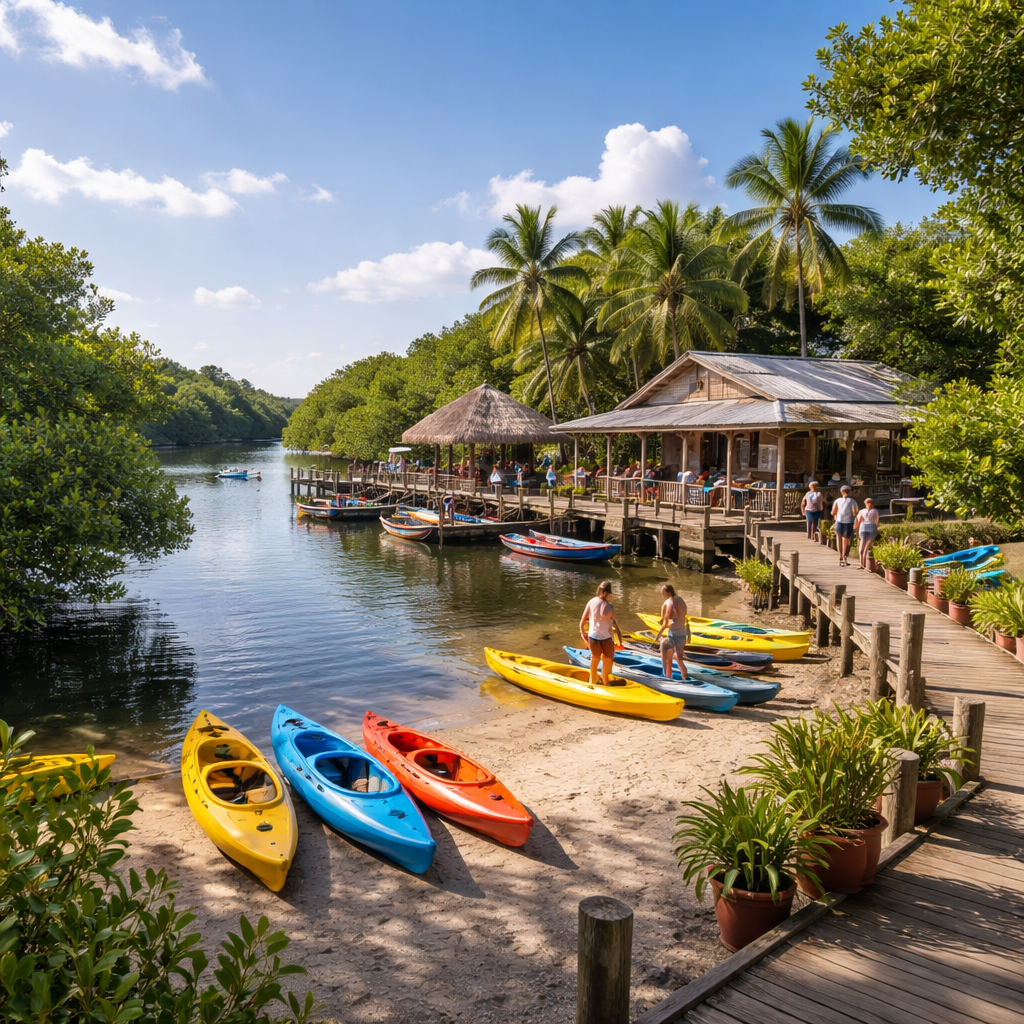
What sets Tarpon Bay Explorers apart is its commitment to sustainable tourism and environmental education. Visitors can rent kayaks, canoes, or stand-up paddleboards to explore the bay at their own pace, or they can join guided tours led by knowledgeable naturalists. These tours not only showcase the beauty of the bay but also provide insights into the ecological importance of the mangroves and the wildlife that inhabit them. The facility also offers educational programs, including beach walks and shelling excursions, emphasizing the significance of conservation and the protection of natural habitats.
Experiences and Highlights
- Kayaking and Canoeing: Glide through the calm waters of Tarpon Bay, where you can encounter playful dolphins and observe the intricate mangrove ecosystems up close.
- Wildlife Tours: Join a guided eco-tour to learn about the rich biodiversity of the area, including local bird species like herons and egrets, as well as the elusive manatee.
- Shelling Excursions: Venture to the nearby beaches known for their beautiful seashells, guided by experts who can help you identify your finds.
- Fishing: Experience the thrill of fishing in the bay, where both novices and seasoned anglers can cast their lines in search of local species.
Cultural and Regional Significance
Tarpon Bay Explorers not only highlights the natural beauty of Sanibel Island but also emphasizes the cultural importance of preserving these environments for future generations. The center collaborates with local conservation groups and participates in initiatives aimed at protecting the island's delicate ecosystems. This commitment to sustainability resonates with visitors, fostering a deeper appreciation for the natural world and the need for its protection.
Seasonal Considerations and Best Time to Visit
The best time to visit Tarpon Bay is during the spring and fall months when the weather is pleasantly warm, and wildlife activity is at its peak. During these seasons, visitors can enjoy clear skies and comfortable temperatures, making outdoor activities more enjoyable. Summer, while hot and humid, offers the chance to see nesting sea turtles, while winter brings cooler temperatures and fewer crowds, ideal for those seeking a more tranquil experience.
Helpful Visitor Insights
When planning your visit, consider arriving early in the day to take advantage of cooler temperatures and increased wildlife activity. Bring sunscreen, insect repellent, and plenty of water to stay hydrated during your adventures. For those interested in kayaking or canoeing, it’s advisable to reserve equipment in advance during peak seasons to ensure availability. Lastly, don’t forget your camera—Tarpon Bay offers countless opportunities for stunning photographs of nature in its most vibrant form.