Castillo de San Marcos National Monument
Exploring Castillo de San Marcos National Monument
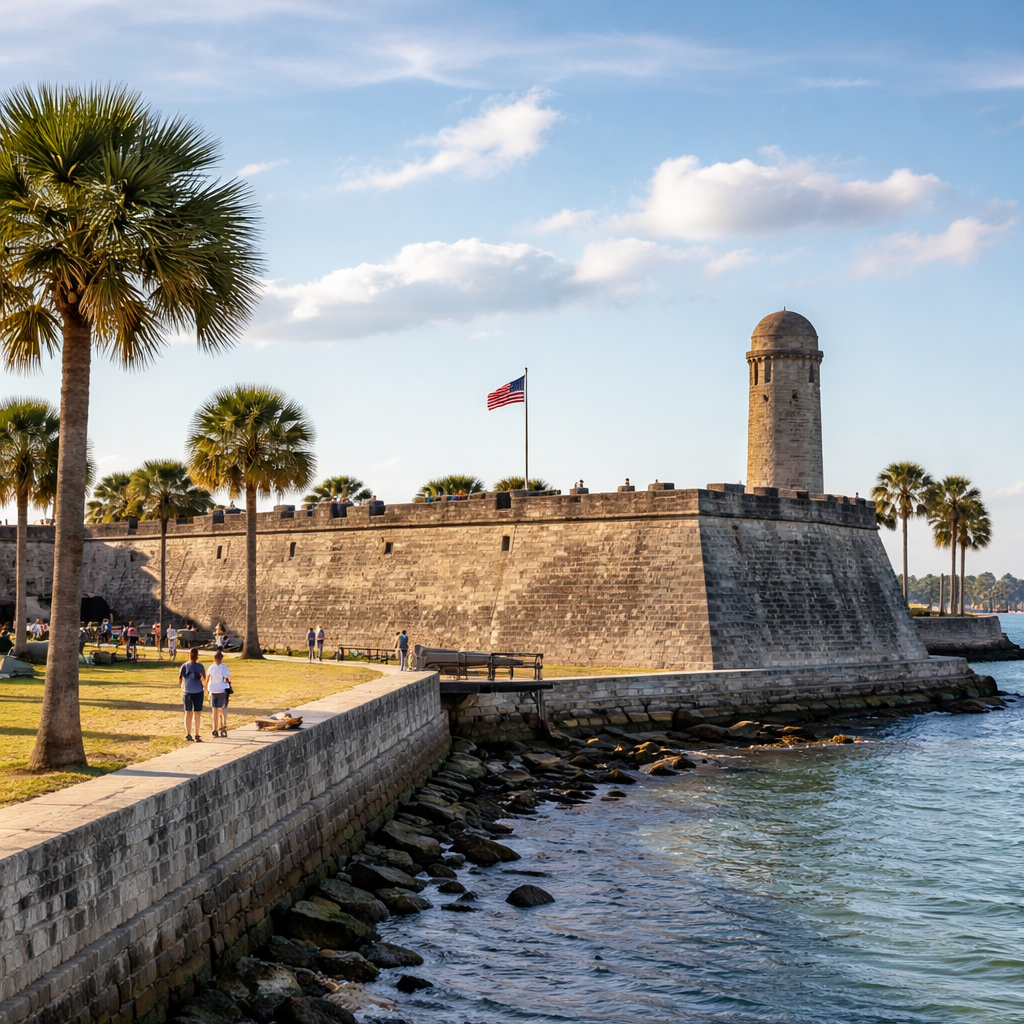
Perched on the banks of the Matanzas River in St. Augustine, Florida, Castillo de San Marcos National Monument stands as a sentinel of history, a testament to the enduring spirit of resilience and cultural exchange. Constructed between 1672 and 1695, this formidable coquina fortress embodies the complex narrative of Spanish colonial rule, indigenous peoples, and the eventual emergence of the United States. As you approach the massive coquina walls, the air is filled with the salty tang of the sea, mingling with the whispers of centuries past.
Origins and Historical Background
The story of Castillo de San Marcos is woven into the very fabric of St. Augustine, the oldest continuously inhabited European-established settlement in the continental United States. The fortress was built to protect the Spanish colony from British invasion and pirate attacks, reflecting the turbulent geopolitical landscape of the 17th century. Its unique coquina stone, a shell-limestone composite, was not only abundant in the region but also remarkably resilient, absorbing cannon fire rather than shattering. This architectural ingenuity allowed the fortress to withstand numerous sieges, including those by the British in 1702 and 1740.
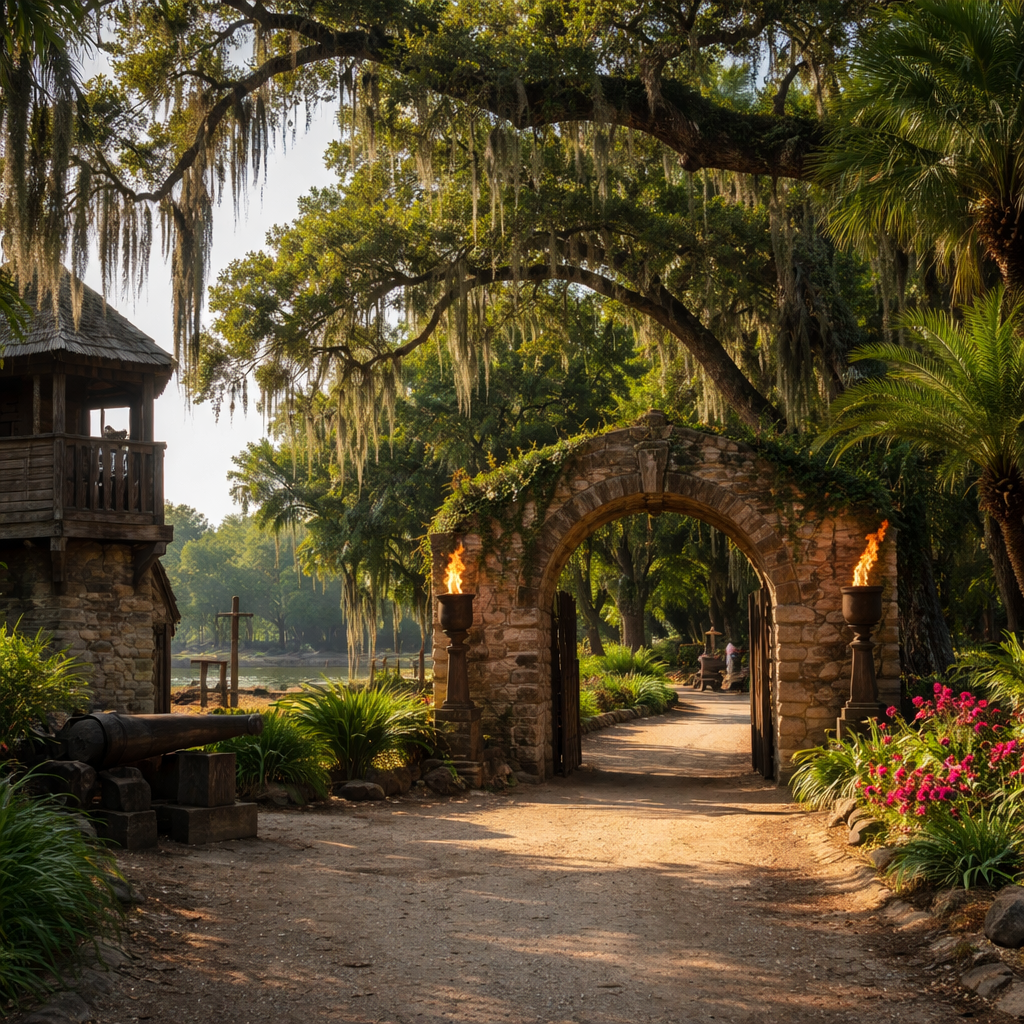
As you walk through the arched entrance, the thick walls seem to exhale stories of battles fought and treaties signed. The fort changed hands several times over the centuries, serving as a military outpost for the Spanish, British, and later the American forces. Each era left its mark, contributing to the layered history that visitors can feel in every stone.
Geographic Setting and Architectural Character
Overlooking the shimmering waters of the Matanzas River, the location of the fortress is as strategic as it is picturesque. The surrounding landscape, dotted with palm trees and vibrant flora, creates a stunning backdrop that enhances the fortress’s imposing presence. The expansive view from the ramparts offers a glimpse into the natural beauty of Florida’s coastline, where the river meets the Atlantic Ocean.
The fortress's design is characterized by its star-shaped layout, which was revolutionary for its time. The bastions extend outward, allowing for a wide range of defensive fire. Visitors can explore the inner courtyard, where the echoes of soldiers' drills and the clinking of armor seem to resonate through time. The fort’s well-preserved structure invites exploration, with rooms that once housed troops, storerooms for supplies, and even a chapel that speaks to the spiritual undertones of military life.
Distinctive Features and Visitor Experiences
What sets this national monument apart is not just its historical significance but also the immersive experiences it offers. As you wander through the fortress, be sure to take part in the living history demonstrations, where reenactors clad in period attire bring the past to life. Witness cannon firings that resonate across the landscape, and engage with interpreters who share tales of daily life within the fort’s walls.
Don't miss the stunning sunset views from the ramparts, where the sky transforms into a canvas of colors, reflecting the fort's enduring beauty. The serene atmosphere allows for moments of contemplation, where one can appreciate the fort’s role in shaping the region’s history and culture.
Cultural Significance
The Castillo de San Marcos is more than just a historical site; it is a symbol of cultural convergence. The fortress represents the intersection of Spanish, British, and Native American histories, embodying the complexities of colonialism and cultural exchange. Today, it serves as a reminder of the importance of preserving history and understanding the narratives that shape our identity.
Seasonal Considerations and Best Time to Visit
The climate in St. Augustine is typically warm and inviting, making it a year-round destination. However, the best time to visit is during the fall and spring months when temperatures are milder, and the humidity is lower. These seasons also bring fewer crowds, allowing for a more intimate experience with the fortress and its surroundings. The summer months can be quite hot and humid, so visitors should prepare for the heat if they choose to explore during this time.
Helpful Visitor Insights
Before your visit, consider booking a guided tour to gain deeper insights into the fort’s history and architecture. The National Park Service offers various programs and ranger-led activities that enhance the experience for visitors of all ages. Be sure to wear comfortable shoes, as the cobblestone paths and uneven surfaces can be challenging. Lastly, don’t forget your camera; the stunning views and historical details are sure to inspire countless photographs.
As you leave the fortress, take a moment to reflect on the stories that have unfolded within its walls. Castillo de San Marcos is not just a monument; it is a living narrative, inviting you to step back in time and understand the rich tapestry of history that continues to shape St. Augustine and beyond.