Savannah Historic District
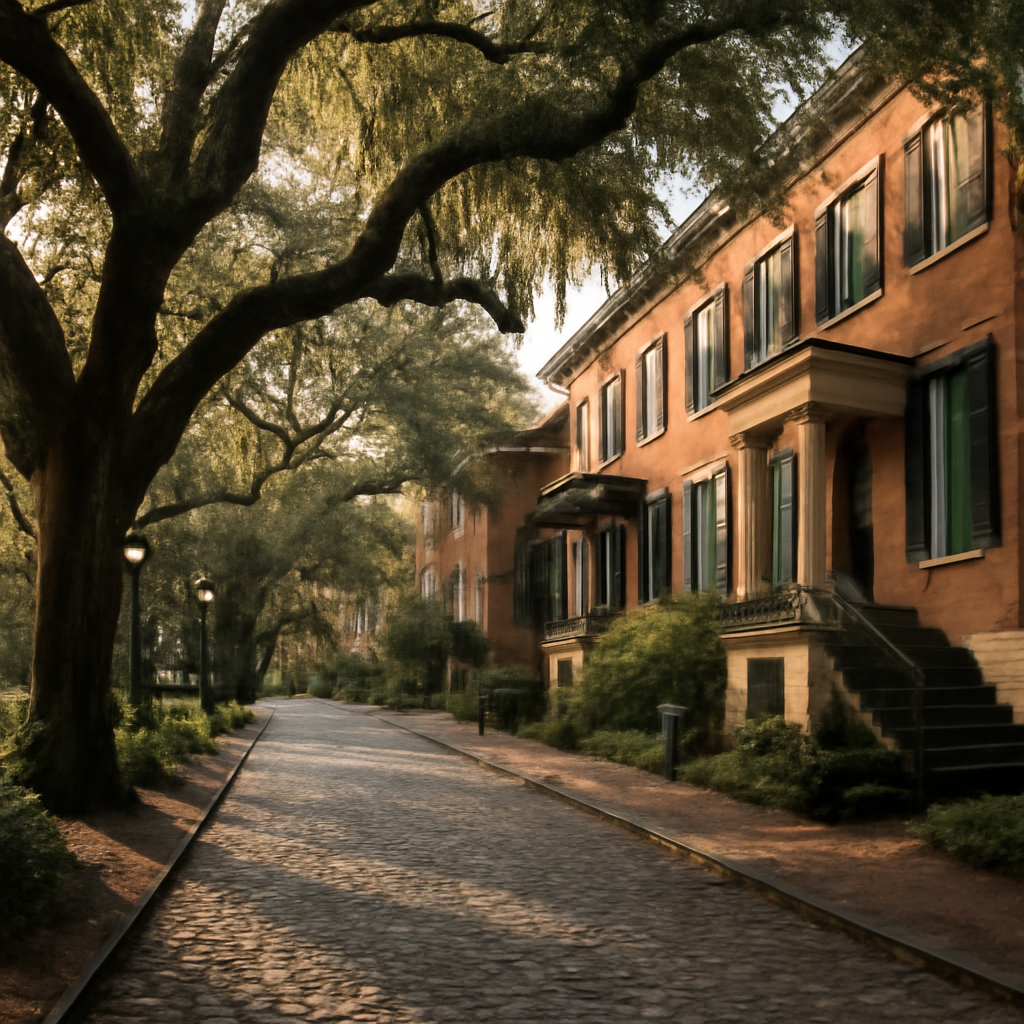
Exploring Savannah's Historic District
Stepping into the Savannah Historic District is like walking through a living museum, where every cobblestone street and moss-draped oak tells a story. Founded in 1733, Savannah is one of the oldest cities in the United States, and its Historic District is a testament to its rich history and vibrant culture. As you wander through this enchanting area, the blend of Southern charm and historical significance envelops you, making it a must-visit destination.
Origins and Historical Background
Founded by General James Oglethorpe as a buffer against Spanish Florida, Savannah was meticulously planned with a grid layout of squares, a feature that remains today. The city's early architecture reflects the influences of British, French, and Spanish settlers, creating a unique blend that tells the story of its diverse past. The Historic District encompasses 22 of these squares, each with its own character and history, from the iconic Forsyth Park to the tranquil Chippewa Square, famously featured in the film "Forrest Gump."
Throughout the 18th and 19th centuries, Savannah served as a significant port city, thriving on the cotton trade and becoming a cultural hub in the South. The Historic District is home to numerous antebellum mansions, churches, and public buildings that have been preserved or restored, offering visitors a glimpse into a bygone era.
Geographic Setting and Architectural Character
Located along the Savannah River, the Historic District is characterized by its stunning architecture and lush landscapes. The streets are lined with grand historic homes adorned with intricate wrought ironwork and expansive verandas, shaded by towering live oaks draped in Spanish moss. The district's layout is punctuated by picturesque squares, where locals and visitors alike gather to enjoy the serene atmosphere.
The climate in Savannah is typically humid subtropical, with hot summers and mild winters. This makes it an inviting destination year-round, although spring and fall are particularly pleasant, with blooming azaleas and comfortable temperatures enhancing the city’s allure.
Distinctive Features and Experiences
What sets the Historic District apart from other destinations is its seamless blend of history and modern life. Visitors can explore the area on foot, taking in the sights at a leisurely pace. Guided tours, whether by foot, bicycle, or even horse-drawn carriage, offer insights into the district's storied past, revealing tales of both grandeur and hardship.
- Forsyth Park: A sprawling 30-acre park that serves as the heart of the district, Forsyth Park is famous for its stunning fountain and vibrant gardens. It’s a perfect spot for a picnic or a leisurely stroll.
- Historic Homes: Tour the beautifully preserved homes, such as the Owens-Thomas House and the Juliette Gordon Low Birthplace, to gain a deeper understanding of Savannah's architectural evolution and social history.
- Local Cuisine: Savor the flavors of the South at local eateries. From shrimp and grits to traditional fried green tomatoes, the culinary scene reflects the rich cultural tapestry of the region.
- Art and Culture: The district is also home to various galleries and theaters, showcasing local artists and performances that celebrate Savannah's cultural heritage.
Cultural Significance
The Historic District is not just a collection of beautiful buildings; it is a living testament to the resilience and creativity of its people. The area has witnessed significant events, from the American Revolution to the Civil War, and each has left an indelible mark on its cultural landscape. Today, Savannah is known for its vibrant arts scene, annual festivals, and a strong sense of community, making it a dynamic place to visit.
Seasonal Considerations and Best Time to Visit
While Savannah is a year-round destination, the best times to visit are during the spring (March to May) and fall (September to November). During these seasons, the weather is mild, and the city is alive with blooming flowers and colorful foliage. Additionally, various festivals, such as the Savannah Music Festival in the spring and the Savannah Film Festival in the fall, draw visitors from all over, enriching the experience.
Visitor Insights and Travel Considerations
When planning your visit, consider wearing comfortable shoes, as the best way to explore the Historic District is on foot. Be sure to take your time to appreciate the details—from the intricate carvings on historic homes to the quiet charm of the squares. For those interested in history, a guided tour can provide valuable context and stories that breathe life into the architecture.
As you navigate the streets, don’t forget to pause and soak in the ambiance. The gentle sway of the Spanish moss, the sounds of street musicians, and the scent of blooming magnolias create an experience that is both soothing and invigorating. Savannah’s Historic District is not just a destination; it is an invitation to step back in time and embrace the spirit of the South.