Na Pali Coast State Wilderness Park
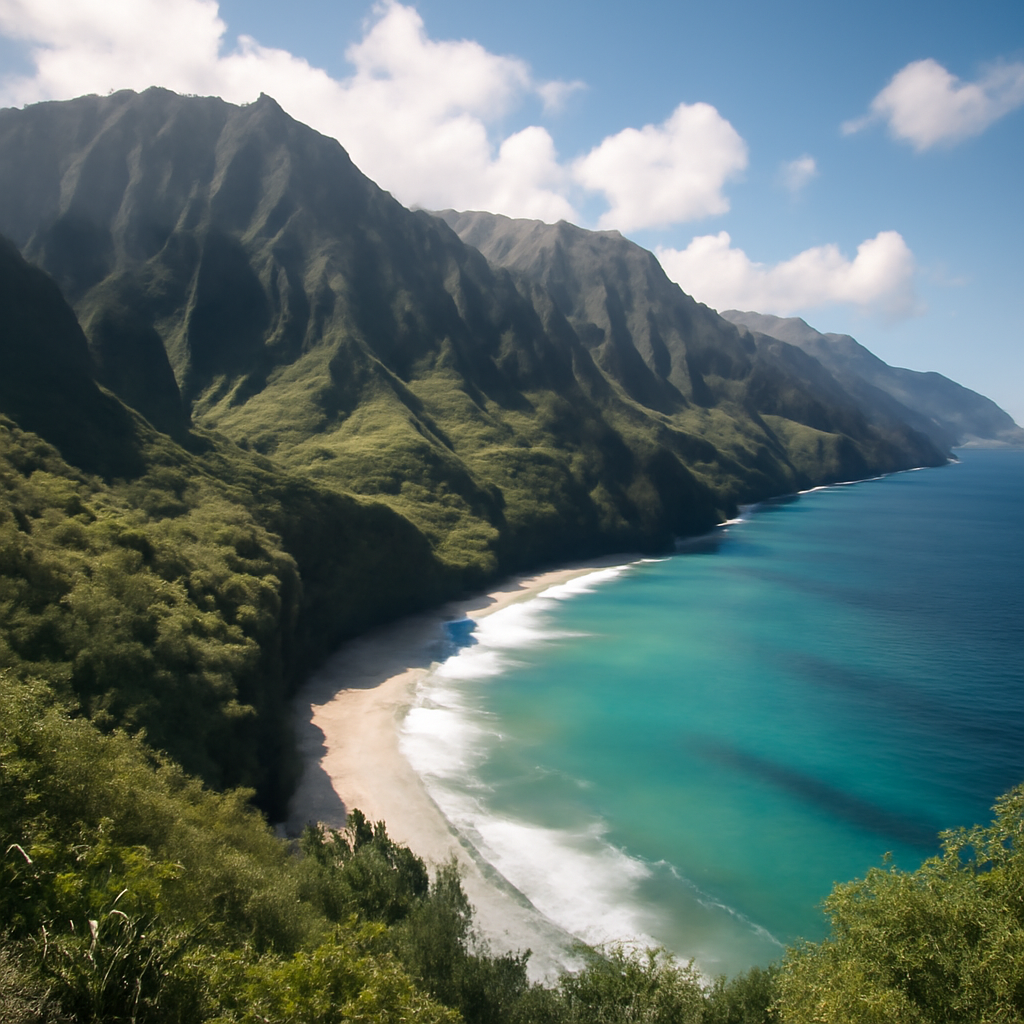
Na Pali Coast State Wilderness Park: A Journey Through Paradise
Tucked away on the north shore of Kauai, Na Pali Coast State Wilderness Park is a breathtaking testament to nature's artistry. With its jagged cliffs, lush valleys, and cascading waterfalls, this remote paradise invites adventurers and dreamers alike to explore its rugged beauty. The name "Na Pali," meaning "the cliffs" in Hawaiian, aptly describes the dramatic landscape that has captivated visitors for generations.
Origins and Historical Background
The history of Na Pali is deeply intertwined with the rich cultural tapestry of Hawaii. For centuries, the native Hawaiian people have revered this land, relying on its resources for sustenance and spiritual connection. Ancient trails, once traversed by Hawaiian chiefs and their families, still wind through the wilderness, echoing the footsteps of those who came before. These trails, such as the Kalalau Trail, offer a glimpse into a time when this untouched wilderness was a thriving community.
As you hike along these paths, you may encounter remnants of ancient taro fields, stone walls, and heiau (sacred sites), each telling a story of resilience and reverence for the land. The area is not just a natural wonder; it is a living museum of Hawaiian heritage, where every rock and stream holds significance.
Geographic Setting and Environmental Character
Na Pali Coast is a dramatic fusion of towering sea cliffs, verdant valleys, and pristine beaches. The coastline stretches approximately 17 miles, characterized by steep cliffs that rise as high as 4,000 feet above the Pacific Ocean. The vibrant green hues of the vegetation contrast starkly with the deep blue waters, creating a visual spectacle that feels almost otherworldly.
The park's diverse ecosystems range from coastal marine environments to lush rainforests, providing habitat for countless species of flora and fauna, some of which are endemic to Hawaii. As you explore, keep an eye out for the elusive Hawaiian monk seal basking on the shores or the majestic humpback whales breaching offshore during migration season. The interplay of land and sea here is a vivid reminder of nature's raw power and beauty.
Distinctive Features of Na Pali Coast
What sets this wilderness park apart from other destinations is its sheer inaccessibility. The cliffs, while stunning, create a barrier that limits access, preserving the area’s unspoiled charm. Visitors can choose to experience the coast by hiking, kayaking, or taking a boat tour, each offering a unique perspective of the landscape.
- Hiking: The Kalalau Trail is the most famous hiking route, winding through lush valleys and offering breathtaking views of the coastline. The trek to Kalalau Beach is challenging but rewards those who persevere with stunning vistas and a sense of accomplishment.
- Kayaking: Paddling along the coast allows for a closer look at sea caves, hidden beaches, and the vibrant marine life that inhabits these waters. It’s an intimate way to connect with the landscape.
- Boat Tours: For those who prefer a more leisurely experience, boat tours provide an opportunity to witness the cliffs from the water, often coupled with snorkeling excursions to explore the underwater world.
Cultural Significance
Na Pali Coast is not just a natural wonder; it is a sacred place for the Hawaiian people. The cliffs and valleys are steeped in mythology and spiritual significance, with many sites believed to be the dwelling places of gods and ancestors. Visitors are encouraged to respect the land and its cultural heritage, understanding that they are stepping into a place of profound meaning.
Seasonal Considerations and Best Time to Visit
The best time to visit Na Pali Coast is during the dry season, from April to October, when the weather is more predictable, and the trails are less muddy. However, each season offers its own unique charm. The winter months bring lush greenery and vibrant waterfalls, while summer provides calm seas ideal for kayaking and snorkeling. Regardless of the season, be prepared for sudden changes in weather, as conditions can shift rapidly in this tropical paradise.
Visitor Insights and Travel Considerations
When planning your visit, consider the physical demands of exploring Na Pali Coast. The trails can be strenuous, and proper footwear, plenty of water, and sun protection are essential. For those seeking solitude, aim for early morning hikes or visit during weekdays to avoid the crowds. Respect the environment by adhering to Leave No Trace principles, ensuring that this pristine wilderness remains untouched for generations to come.
Ultimately, a journey to Na Pali Coast State Wilderness Park is not just about the stunning views; it's about connecting with the land, its history, and its people. Each step taken along the trails, each wave crashing against the cliffs, tells a story of resilience, beauty, and the enduring spirit of Hawaii.