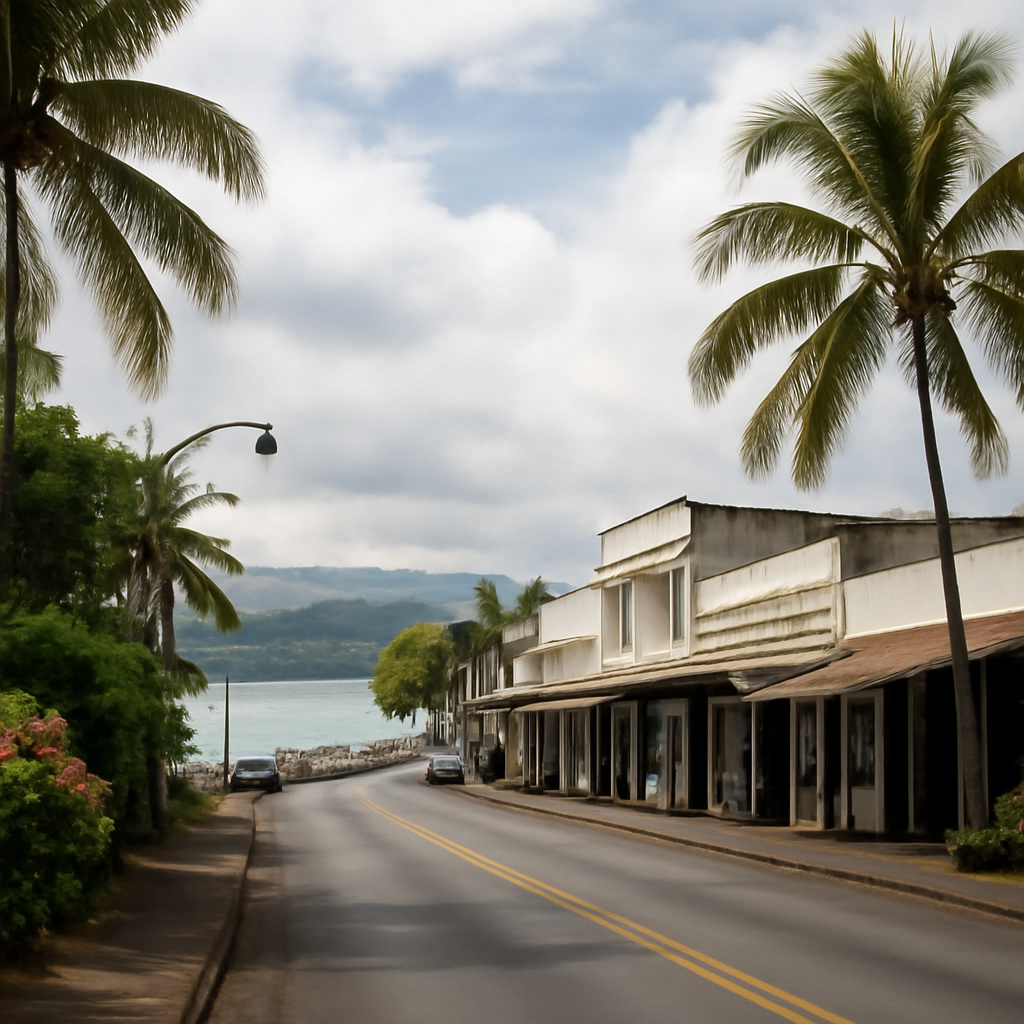
Hilo
Overview
Nestled on the eastern shore of the Big Island of Hawaii, Hilo offers a captivating blend of natural beauty, rich culture, and a laid-back atmosphere that invites exploration. As the largest town on the island, it serves as a gateway to stunning waterfalls, lush rainforests, and the majestic Hawaii Volcanoes National Park. Visitors to Hilo can immerse themselves in the island's unique heritage while enjoying the vibrant local arts scene and the warmth of its community.
Distinctive Highlights & Notable Features
- Akaka Falls State Park: Home to the breathtaking Akaka Falls, which plunges 442 feet into a lush gorge, this park offers scenic trails and stunning views.
- Hilo Farmers Market: A bustling hub of local produce, crafts, and delicious food, this market showcases the flavors and creativity of the region.
- Liliuokalani Gardens: A beautifully landscaped park featuring Japanese gardens, koi ponds, and tranquil paths, perfect for a leisurely stroll.
- Pacific Tsunami Museum: This museum provides insight into the history and impact of tsunamis on the region, emphasizing the resilience of the local community.
What Makes Hilo Noteworthy
Hilo stands out not only for its natural attractions but also for its rich cultural tapestry. The town is steeped in Hawaiian history, evident in its architecture, festivals, and the warmth of its people. Unlike the more tourist-centric areas of the island, Hilo offers an authentic experience where visitors can connect with local traditions and the stunning landscapes that surround them.
Visiting Hours / Accessibility Information
Most attractions in Hilo are open year-round, though specific hours may vary. Akaka Falls State Park, for instance, typically operates from 8:00 AM to 6:00 PM. Accessibility is generally good, with many sites offering paved paths and facilities for those with mobility challenges.
Practical Visitor Tips & On-Site Etiquette
- Respect local customs and traditions, especially when visiting sacred sites.
- Stay hydrated and wear sunscreen, as the tropical sun can be intense.
- Be mindful of wildlife; keep a safe distance from animals and plants.
- Dispose of waste properly to help maintain the natural beauty of the area.
Typical Time Required for a Visit
A typical visit to Hilo can range from a few hours to a full day, depending on the number of attractions you wish to explore. Allow at least two hours for the farmers market and another half-day for Akaka Falls and Liliuokalani Gardens.
Restrictions or Prohibited Items
Many natural parks and cultural sites prohibit the use of drones, smoking, and pets. Be sure to check specific site regulations before your visit.
Additional Context About Hilo
Hilo has a rich history that dates back centuries, originally settled by native Hawaiians. The town has evolved significantly over the years, with its economy historically driven by sugar plantations. Today, it embraces its heritage while fostering a vibrant arts community and eco-tourism.
Architectural or Natural Characteristics
The architecture of Hilo reflects its diverse history, with charming wooden buildings dating back to the early 20th century alongside modern structures. The surrounding landscape is characterized by lush rainforests, dramatic coastlines, and volcanic features, providing a stunning backdrop to the town.
Seasonal Considerations & Best Time to Visit
The best time to visit Hilo is during the dry season, from April to October, when rainfall is less frequent. However, the lush scenery is at its most vibrant during the wetter months, making Hilo a year-round destination for nature lovers.
How Visitors Commonly Reach the Location
Hilo is accessible via the Hilo International Airport, which offers flights from major cities in the U.S. Visitors can also reach Hilo by driving from other parts of the Big Island, with scenic routes that showcase the island's stunning landscapes.
Nearby Points of Interest
- Hawaii Volcanoes National Park: A short drive from Hilo, this park features active volcanoes and diverse ecosystems.
- Mauna Kea: Known for its astronomical observatories and stunning sunsets, this dormant volcano is a must-visit for stargazers.
- Waipi'o Valley: Famous for its dramatic cliffs and rich agricultural history, this valley offers breathtaking views and hiking opportunities.
FAQs
- What is the best time to visit Hilo? The dry season from April to October is ideal, though the lush scenery is beautiful year-round.
- Are there guided tours available in Hilo? Yes, various local companies offer guided tours of Hilo's attractions and surrounding areas.
- Is Hilo safe for tourists? Hilo is generally safe, but like any destination, visitors should remain aware of their surroundings.
- Can I swim in Hilo's beaches? Some beaches are suitable for swimming, but always check local conditions and heed safety warnings.
- Are there any cultural events in Hilo? Yes, Hilo hosts several cultural festivals throughout the year, celebrating Hawaiian traditions and arts.
Places in Hilo
No cities available.