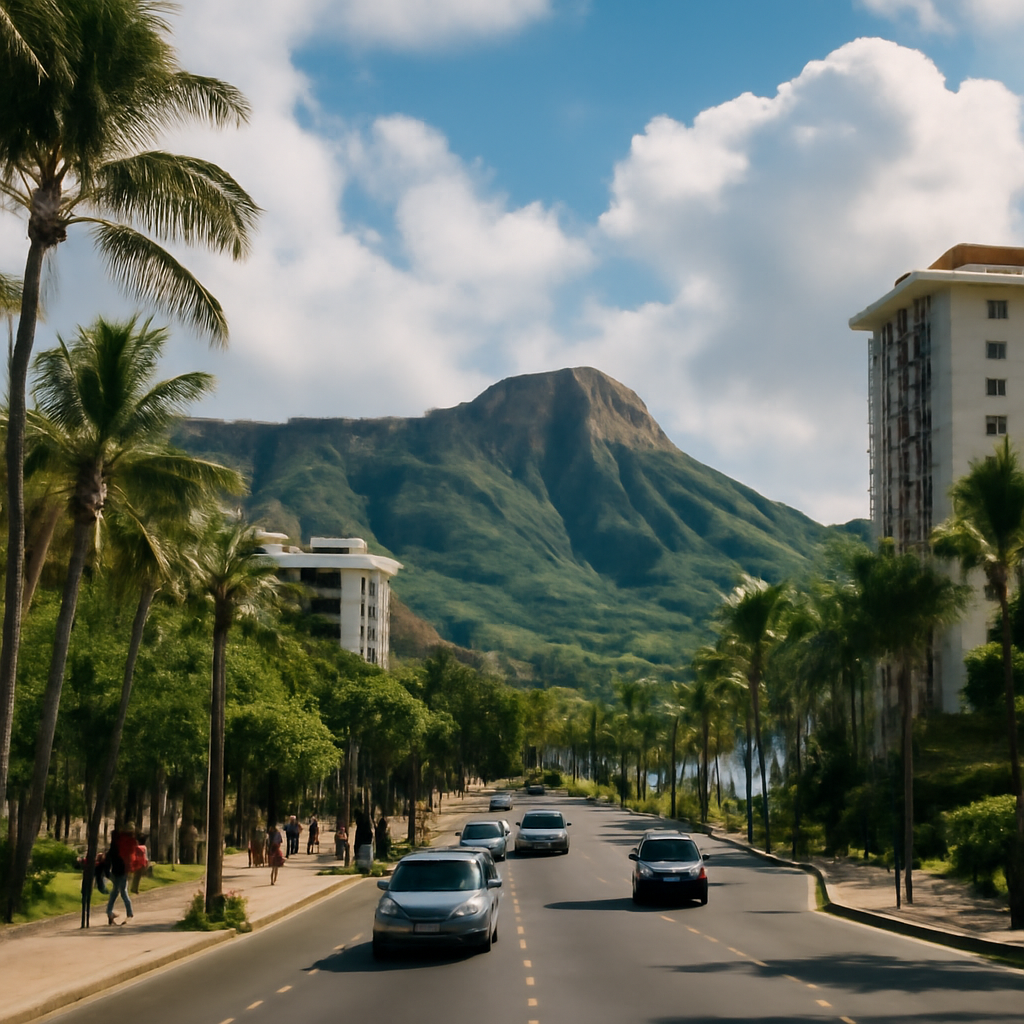
Honolulu
Overview
Honolulu, the vibrant capital of Hawaii, is a captivating blend of rich cultural heritage, stunning natural beauty, and a laid-back island lifestyle. Nestled on the southern shore of the island of Oahu, this city serves as a gateway to the Hawaiian archipelago, offering visitors a unique opportunity to immerse themselves in both traditional and contemporary Hawaiian experiences. From pristine beaches to historic landmarks, Honolulu invites exploration and discovery at every turn.
Distinctive Highlights & Notable Features
- Waikiki Beach: Famous for its golden sands and surf-friendly waves, this iconic beach is a hub of activity and relaxation.
- Pearl Harbor: A site of profound historical significance, where visitors can learn about the events of December 7, 1941, and pay respects at the USS Arizona Memorial.
- Diamond Head: This volcanic crater offers breathtaking panoramic views of the city and ocean, accessible via a scenic hiking trail.
- Iolani Palace: The only royal palace in the United States, it showcases the opulence of Hawaii's monarchy and is a testament to its rich history.
- Hanauma Bay: A protected marine life conservation area, perfect for snorkeling among vibrant coral reefs and diverse marine species.
What Makes Honolulu Noteworthy
Honolulu is not just a tropical paradise; it is a city steeped in history and culture. The blend of native Hawaiian traditions with influences from various cultures creates a unique atmosphere that is both welcoming and enriching. The city's commitment to preserving its heritage is evident in its museums, art galleries, and festivals, making it a living testament to the resilience and spirit of the Hawaiian people.
Visiting Hours / Accessibility Information
Many attractions in Honolulu, including beaches and parks, are open year-round, while specific sites like museums and memorials may have varying hours. It’s advisable to check individual attraction schedules ahead of your visit. Public transportation, including TheBus system, provides convenient access throughout the city, making it easy to explore without a car.
Practical Visitor Tips & On-Site Etiquette
- Respect local customs and traditions, especially when visiting sacred sites.
- Stay hydrated and wear sunscreen, as the sun can be intense.
- Be mindful of wildlife, particularly in natural areas like Hanauma Bay.
- Remove shoes when entering homes or certain cultural sites as a sign of respect.
Typical Time Required for a Visit
A typical visit to Honolulu can range from a day to a week, depending on your interests. Key attractions like Pearl Harbor and Diamond Head can be explored in half a day, while immersing yourself in the local culture and enjoying leisure activities may take longer.
Restrictions or Prohibited Items
When visiting certain sites, such as Pearl Harbor, there are restrictions on bags and large items. It’s advisable to check specific guidelines for each attraction to ensure a smooth visit.
Additional Context About Honolulu
Founded in the early 19th century, Honolulu grew from a small fishing village into a bustling port city. Its strategic location made it a key stop for whalers and traders, and later, a significant military base during World War II. The city’s evolution reflects the broader history of Hawaii, encompassing the struggles and triumphs of its people.
Architectural or Natural Characteristics
Honolulu boasts a stunning natural landscape framed by the Pacific Ocean and the lush Koʻolau mountain range. Its architecture reflects a mix of traditional Hawaiian styles and modern influences, with historic buildings like Iolani Palace standing alongside contemporary structures.
Seasonal Considerations & Best Time to Visit
The best time to visit Honolulu is during the dry season, from April to October, when the weather is warm and ideal for outdoor activities. However, the city is a year-round destination, with each season offering unique experiences and events.
How Visitors Commonly Reach the Location
Most travelers arrive in Honolulu via Daniel K. Inouye International Airport, which connects to numerous domestic and international flights. Once in the city, visitors can utilize public transportation, taxis, or rental cars to navigate the area.
Nearby Points of Interest
- Manoa Falls: A beautiful hiking trail leading to a stunning waterfall.
- Punchbowl Crater: A dormant volcano and the site of the National Memorial Cemetery of the Pacific.
- Chinatown: A vibrant neighborhood known for its markets, art galleries, and dining options.
FAQs
- What is the best way to get around Honolulu? TheBus system offers comprehensive coverage, and taxis or rideshare services are also available.
- Is it safe to swim at Waikiki Beach? Yes, but always be aware of surf conditions and follow lifeguard advice.
- Are there any cultural events in Honolulu? Yes, the city hosts numerous cultural festivals throughout the year, showcasing Hawaiian traditions.
- What should I wear when visiting? Light, breathable clothing is recommended, along with comfortable shoes for walking.
- Can I visit Pearl Harbor without a reservation? While walk-ins are accepted, reservations are recommended for a guaranteed spot.
Places in Honolulu
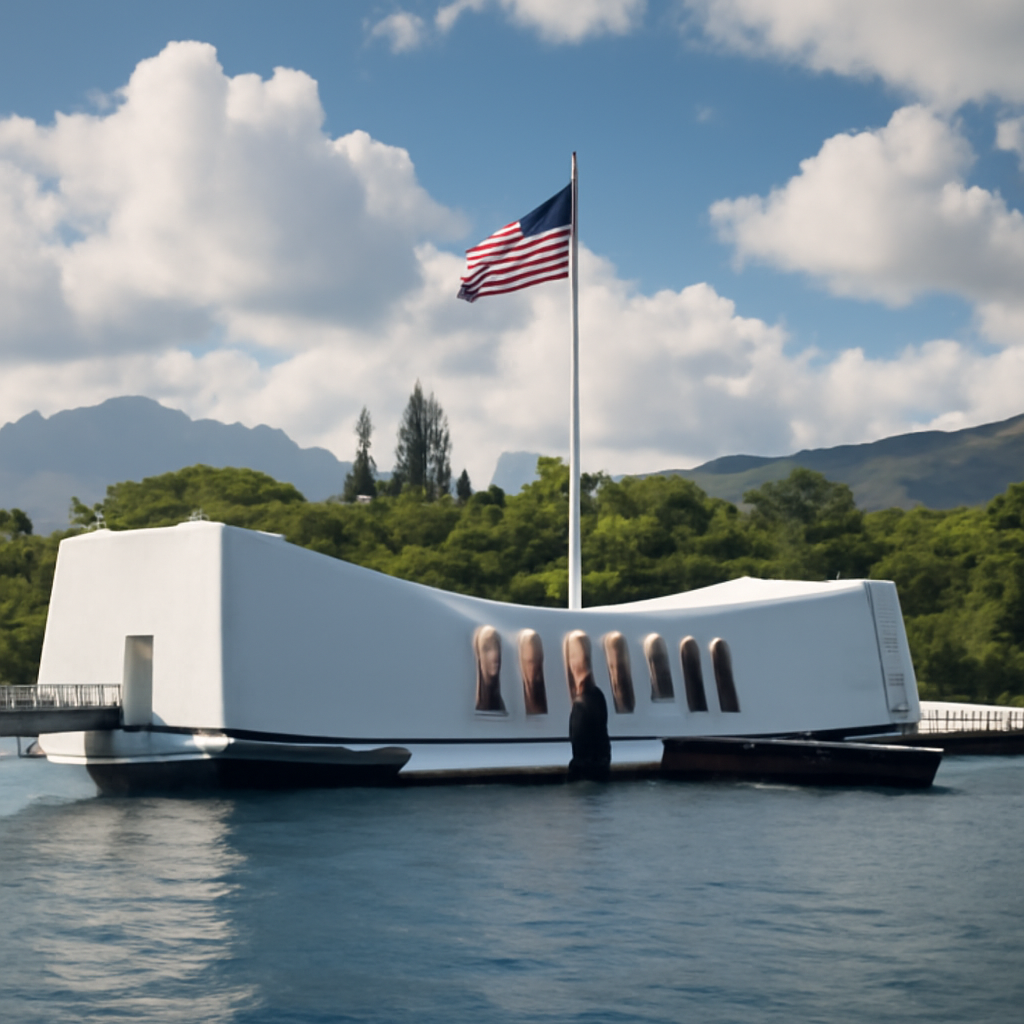
Pearl Harbor National Memorial
Discover the poignant history and stunning views at Pearl Harbor National Memorial in Honolulu, Hawaii. A must-visit for...
Explore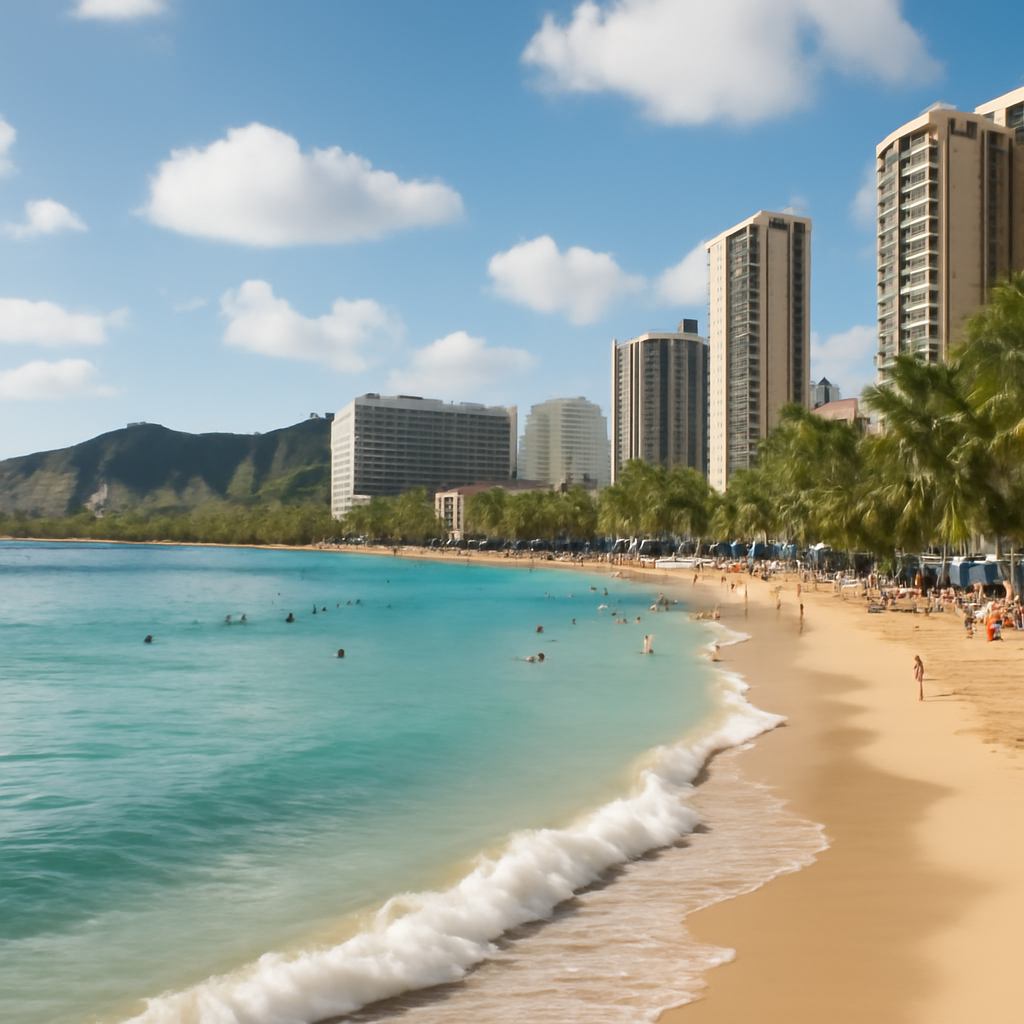
Waikiki Beach
Experience stunning sunsets, vibrant culture, and thrilling water sports at Waikiki Beach, the heart of Honolulu's parad...
Explore