Waikiki Beach
Waikiki Beach: A Cultural and Natural Paradise
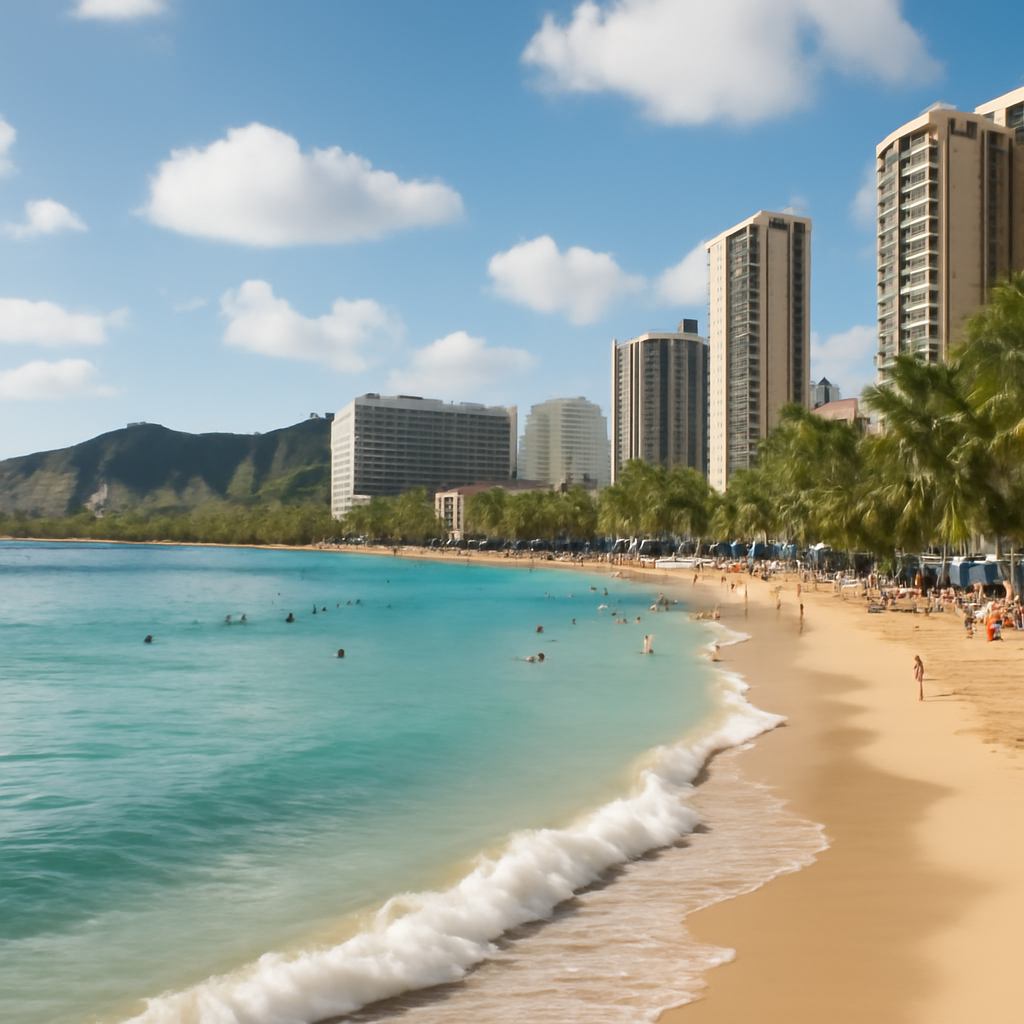
Waikiki Beach, nestled on the southern shore of Oahu, is more than just a stunning stretch of sand; it is a vibrant tapestry woven from the threads of history, culture, and natural beauty. This iconic destination, framed by the towering Diamond Head crater and the azure Pacific Ocean, offers visitors an experience that transcends the ordinary, inviting them to immerse themselves in the rich heritage and breathtaking landscapes of Hawaii.
Origins and Historical Significance
The story of this beloved beach begins long before it became a tourist hotspot. Waikiki, which translates to "spouting water" in Hawaiian, was once a playground for Hawaiian royalty. In the early 19th century, King Kamehameha I transformed the area into a retreat for his family, cultivating the lush lands with taro fields and fishponds. The beach's significance grew with the arrival of missionaries and the subsequent development of tourism in the late 1800s, which was fueled by the natural beauty and warm climate that attracted visitors from around the globe.
Today, remnants of this storied past can still be felt in the traditional Hawaiian practices that permeate the area. From hula performances to the art of lei-making, the cultural heartbeat of Hawaii remains strong, inviting travelers to connect with the island's heritage.
Geographic Setting and Environmental Character
Waikiki is defined by its stunning geography, where the Pacific Ocean meets the volcanic remnants of Diamond Head, creating a dramatic backdrop that enchants both locals and visitors. The beach itself is a crescent of golden sand, stretching approximately two miles, lined with swaying palm trees and vibrant resorts. The gentle waves make it a haven for surfers and swimmers alike, while the nearby Kapiolani Park offers a lush green space for picnics and leisurely strolls.
The area is characterized by its unique blend of urban and natural environments. High-rise hotels and bustling shops coexist harmoniously with the ocean's rhythm, creating a dynamic atmosphere that is both lively and relaxing. As the sun sets, the sky transforms into a canvas of colors, reflecting the beauty of the island and providing a perfect backdrop for evening strolls along the beach.
Distinctive Experiences and Highlights
Visitors to Waikiki can expect a plethora of experiences that cater to a wide range of interests. For those seeking adventure, surfing lessons are readily available, allowing beginners to ride the gentle waves under the guidance of experienced instructors. Snorkeling excursions to nearby reefs offer glimpses of vibrant marine life, while sunset catamaran cruises provide a unique perspective of the coastline.
- Sunbathing and Relaxation: Sprawled on the beach with a good book or simply soaking up the sun is a quintessential Waikiki experience.
- Cultural Events: Attend a traditional luau or enjoy hula performances at various venues, immersing yourself in the island's rich culture.
- Shopping and Dining: The beachfront promenade is lined with shops and restaurants, offering everything from local cuisine to high-end boutiques.
- Exploring Nature: Hike to the summit of Diamond Head for panoramic views or take a leisurely stroll through the lush Kapiolani Park.
Cultural Significance
Waikiki is not just a destination; it is a cultural hub that embodies the spirit of Hawaii. The beach serves as a gathering place for locals and visitors alike, where traditions are shared and celebrated. The annual Waikiki Ho'olaulea, a street festival showcasing Hawaiian music, dance, and food, is a testament to the area's commitment to preserving its cultural heritage.
The presence of historic landmarks, such as the Royal Hawaiian Hotel—often referred to as the "Pink Palace"—adds layers of charm to the area, reminding visitors of the opulent history that shaped modern Waikiki.
Seasonal Considerations and Best Time to Visit
While Waikiki enjoys a tropical climate year-round, the best time to visit is during the shoulder seasons of spring (April to June) and fall (September to November). During these months, the weather is pleasantly warm, and the crowds are thinner, allowing for a more intimate experience of the beach and its surroundings. Summer, while bustling with activity, can be hot and crowded, whereas winter brings larger swells, attracting surfers from around the world.
Visitor Insights and Travel Considerations
Traveling to Waikiki is relatively straightforward, with Honolulu International Airport serving as the main gateway. The beach is easily accessible, and many accommodations are within walking distance. However, it’s advisable to book accommodations in advance, especially during peak tourist seasons.
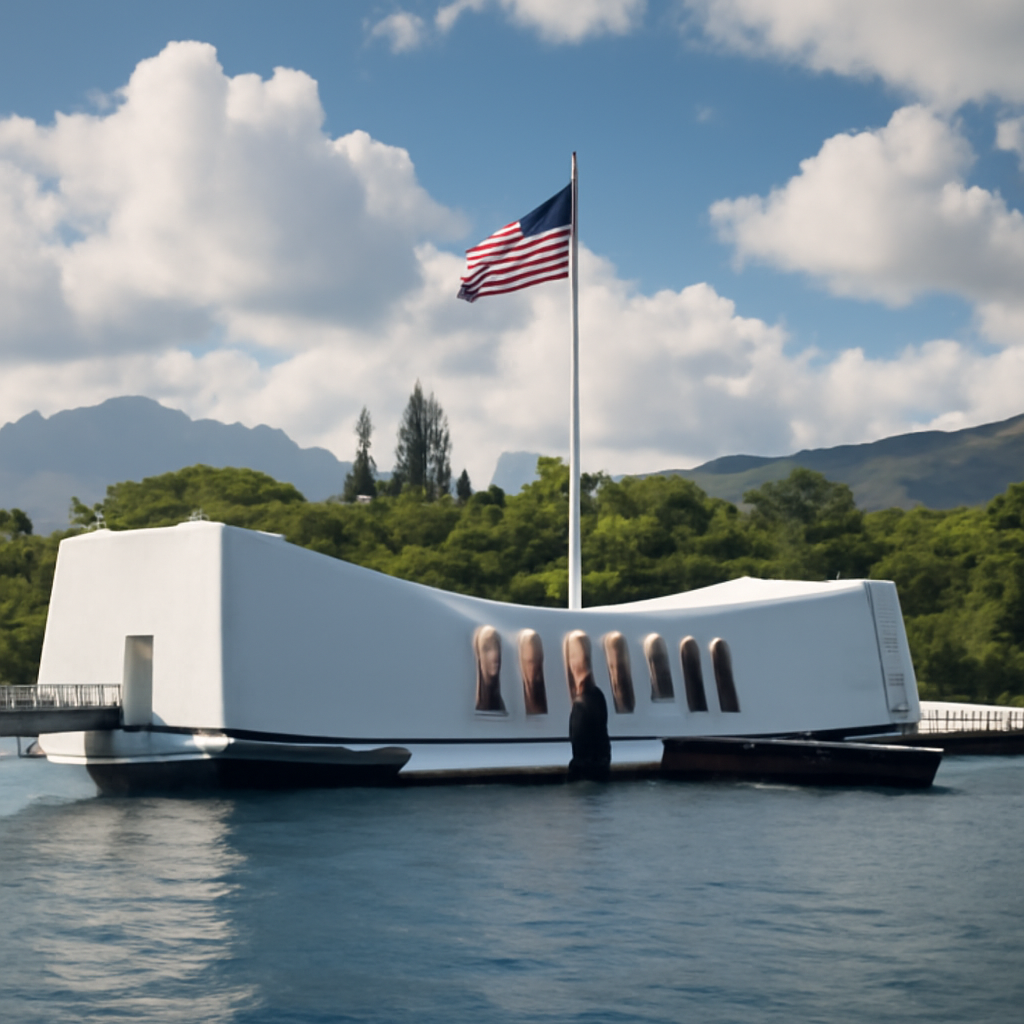
For a truly enriching experience, take the time to explore beyond the beach. Engage with local artisans at the Honolulu Museum of Art or visit the historic Pearl Harbor. Each corner of the island offers a new perspective on the rich tapestry of Hawaiian life.
In conclusion, Waikiki Beach is a destination that resonates with the soul. It is a place where history meets modernity, where the ocean's waves carry stories of the past, and where every sunset paints a promise of new beginnings. Whether you're seeking adventure, relaxation, or cultural immersion, this iconic beach offers a unique experience that will linger long after your footprints have washed away.