Hawaii Volcanoes National Park
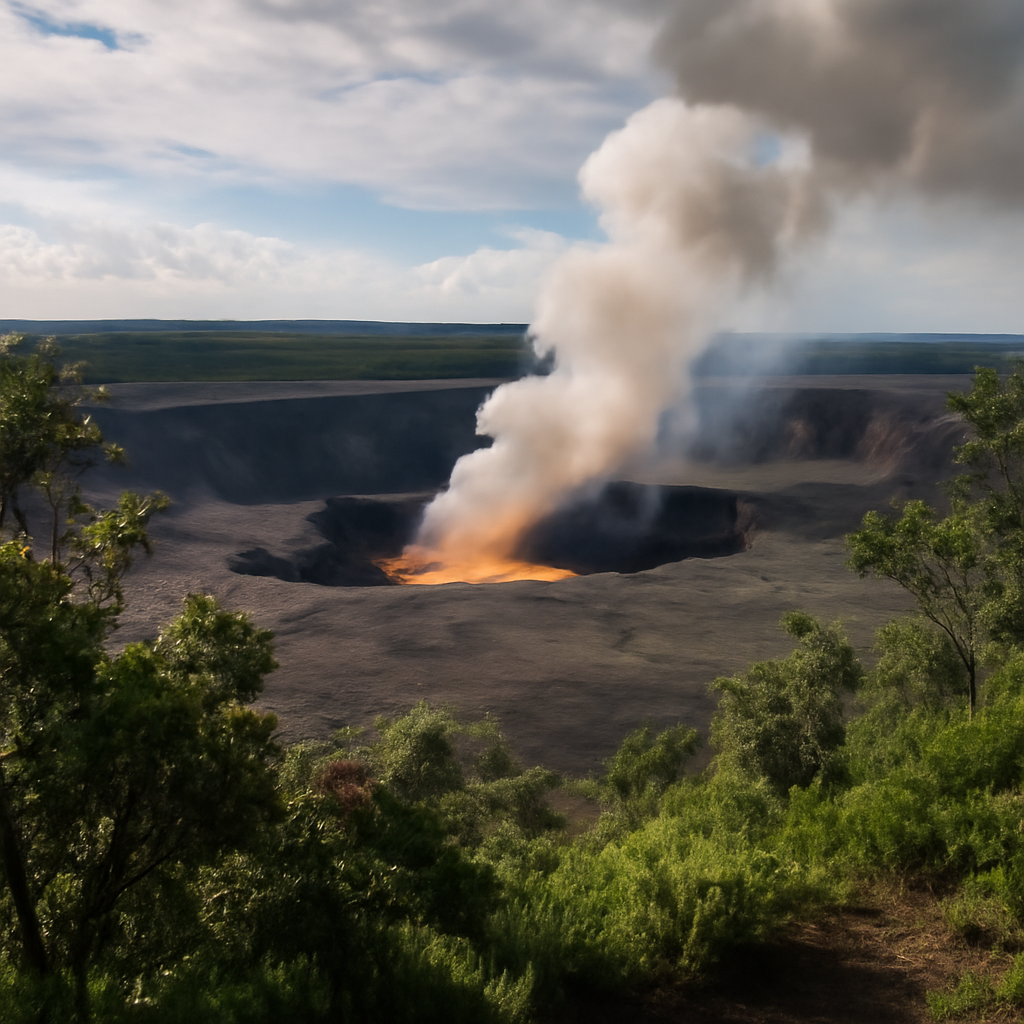
Hawaii Volcanoes National Park: A Journey Through Fire and Earth
Nestled on the Big Island of Hawaii, Hawaii Volcanoes National Park is a living testament to the raw power of nature and the intricate dance between creation and destruction. This remarkable landscape, shaped by volcanic activity over millennia, invites visitors to explore its dynamic features and understand the profound cultural significance it holds for the Hawaiian people.
Origins and Historical Background
The story of this park begins deep within the Earth, where molten rock, or magma, rises to the surface through fissures in the crust. The park encompasses two of the world’s most active volcanoes: Kīlauea and Mauna Loa. Kīlauea, considered one of the most active volcanoes on the planet, has been erupting almost continuously since 1983, reshaping the landscape and creating new land as lava flows into the ocean.
This volcanic activity is not merely geological; it is deeply intertwined with Hawaiian culture and spirituality. The Hawaiian goddess Pele, known as the creator of the Hawaiian Islands, is said to reside in Kīlauea. Her fiery spirit is honored and respected, and many locals believe that the eruptions are manifestations of her power. This connection to the land is palpable, offering visitors a unique insight into the cultural heritage of the islands.
Geographic Setting and Environmental Character
Spanning over 323,000 acres, the park's landscape is a breathtaking blend of stark volcanic craters, lush rainforests, and coastal plains. The dramatic contrast between the black lava fields and the vibrant vegetation showcases nature's resilience. As you traverse the park, you may encounter steam vents, sulfur banks, and the mesmerizing sight of lava flowing into the sea, where steam plumes rise like ghostly apparitions.
The elevation ranges from sea level to the summit of Mauna Loa at 13,681 feet, creating diverse ecosystems that host a variety of flora and fauna. The park is home to several endangered species, including the Hawaiian goose, or nene, and the Hawaiian monk seal, making it a vital area for conservation efforts.
Distinct Experiences and Highlights
Visitors to the park are greeted with an array of experiences that engage the senses and ignite the spirit of adventure. The Kīlauea Visitor Center serves as a gateway to understanding the park's geological wonders, offering educational exhibits and knowledgeable rangers who can guide you through your exploration.
- Crater Rim Drive: This scenic road offers stunning views of Kīlauea Caldera and the Halemaʻumaʻu Crater, where you can witness the glow of molten lava at night.
- Thurston Lava Tube: A short hike leads you through this ancient lava tube, where you can marvel at the natural formations created by flowing lava.
- Chain of Craters Road: This 19-mile drive takes you down to the coast, showcasing various lava flows and providing access to hiking trails that lead to the ocean's edge.
- Nighttime Lava Viewing: Depending on volcanic activity, witnessing the glow of lava at night is a surreal experience that connects you to the Earth's fiery core.
Cultural Significance
The park is not just a geological wonder; it is also a cultural landscape. The Hawaiian people have a profound relationship with the land, viewing it as sacred. Traditional practices, such as hula and chanting, often reflect their connection to the elements, particularly fire and water. The park serves as a living classroom, where visitors can learn about the rich history and traditions of the Hawaiian culture through interpretive programs and cultural demonstrations.
Seasonal Considerations and Best Time to Visit
While Hawaii is a year-round destination, the best time to visit the park is during the dry season from April to October. This period offers clearer skies and more predictable weather, ideal for hiking and exploring the expansive trails. However, even during the rainy season, the park's beauty remains captivating, with lush vegetation and fewer crowds.
Visitor Insights and Travel Considerations
When planning your visit, be sure to check the National Park Service website for updates on volcanic activity and trail conditions. Dress in layers, as temperatures can vary significantly between elevations. Comfortable hiking shoes are essential for exploring the rugged terrain, and don’t forget your camera to capture the stunning vistas and unique geological formations.
As you wander through Hawaii Volcanoes National Park, you will feel the heartbeat of the Earth beneath your feet and the whispers of ancient stories in the wind. It is a place where the beauty of nature and the depth of culture intertwine, leaving an indelible mark on all who venture into its embrace.