Lincoln Home National Historic Site
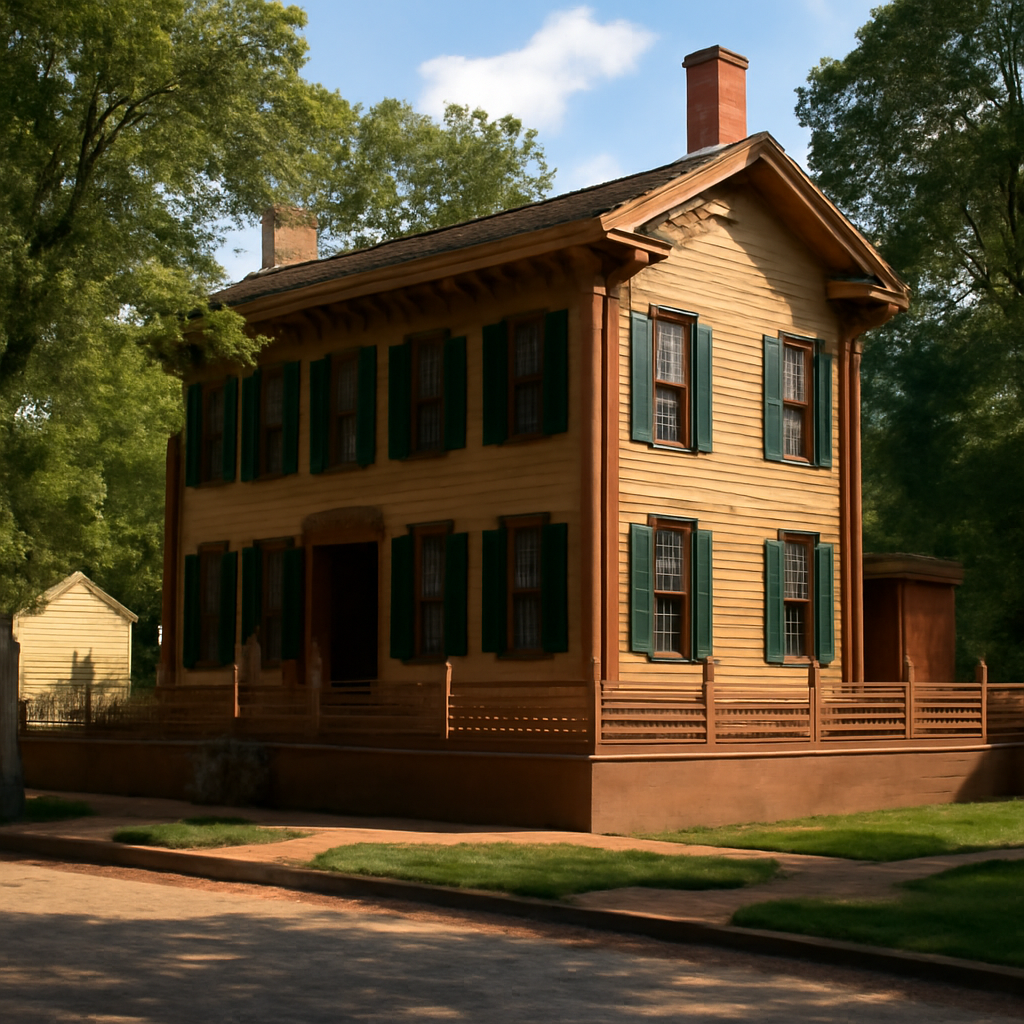
Lincoln Home National Historic Site
Origins and Historical Background
In the heart of Springfield, Illinois, lies a site that resonates with the echoes of American history—the Lincoln Home National Historic Site. This is the place where Abraham Lincoln, the 16th President of the United States, spent his formative years before stepping onto the national stage. Built in 1839, this modest yet charming house reflects the early life of a man who would come to symbolize unity and freedom. The home was a sanctuary for Lincoln and his family, where he honed his political skills and formed the relationships that would shape his future. The site encompasses four blocks of the surrounding neighborhood, preserving not only the home but also the context of Lincoln’s life, offering a glimpse into the 19th-century life of a burgeoning politician.
Geographic Setting and Architectural Character
Springfield is nestled in the central part of Illinois, surrounded by the lush landscapes of the Midwest. The Lincoln Home stands out with its unique blend of Greek Revival and Italianate architectural styles, characterized by its striking white columns and expansive porch. The surrounding neighborhood, with its cobblestone streets and historic buildings, evokes a sense of stepping back in time. Visitors can stroll through the meticulously maintained gardens and public spaces, which enhance the historic ambiance. The site is framed by the vibrant city of Springfield, where modernity meets history, creating a rich backdrop for exploration.
Distinctive Features of the Destination
What sets this historic site apart is its authentic representation of Lincoln’s life and the era in which he lived. Unlike many other presidential homes, the Lincoln Home offers a deeply personal perspective on the man behind the legend. The interior of the house has been restored to reflect the 1860s, with period furnishings and artifacts that tell the story of Lincoln’s family life. Visitors can explore the rooms where Lincoln and his wife, Mary Todd, raised their children, providing insight into their domestic life and the challenges they faced. The surrounding neighborhood, with its restored homes and gardens, invites exploration and reflection on the historical context of Lincoln’s life.
Experiences and Highlights
Visitors can expect a multifaceted experience at the Lincoln Home National Historic Site. Guided tours provide an intimate look at the home and its history, led by knowledgeable rangers who share anecdotes and lesser-known stories about Lincoln and his family. The tour includes access to the parlor, dining room, and bedrooms, where the atmosphere is imbued with the spirit of the past. In addition to the house tour, the site features exhibits that delve into Lincoln’s political career, his role in the Civil War, and his enduring legacy. The park also hosts special events, lectures, and living history demonstrations that engage visitors of all ages.
Cultural Significance
The significance of this site extends beyond its historical value; it is a testament to the ideals of democracy, equality, and human rights that Lincoln championed. As a national historic site, it serves as a reminder of the struggles and triumphs that define American history. The location is also a gathering place for those seeking to understand the complexities of Lincoln's presidency and the ongoing relevance of his legacy. The site plays a crucial role in the local community, fostering a sense of pride and connection to the past, while also promoting dialogue about the future.
Seasonal Considerations and Best Time to Visit
While the Lincoln Home National Historic Site is open year-round, the best time to visit is during the spring and fall when the weather is mild, and the gardens are in bloom. Spring brings vibrant flowers and the chance to experience the site’s natural beauty, while fall offers stunning foliage that enhances the historic landscape. Summer can be quite warm, but it’s also a lively time with various events and programs. Winter, though quieter, provides an opportunity to appreciate the home’s charm in a serene setting, though some tours may be limited during this season.
Helpful Visitor Insights
When planning a visit, it’s advisable to arrive early to secure a spot on the guided tours, as they can fill up quickly, especially during peak seasons. Comfortable walking shoes are recommended, as the area is best explored on foot, allowing for a leisurely pace to soak in the surroundings. The visitor center offers additional resources, including maps and brochures, to help navigate the site and its offerings. For those interested in a deeper dive, consider attending special programs or events that are often held throughout the year, enriching the experience and understanding of Lincoln’s life and legacy.