Indiana Dunes National Park
Exploring Indiana Dunes National Park
Origins and Historical Background
Nestled along the southern shore of Lake Michigan, Indiana Dunes National Park is a remarkable testament to the power of nature and time. The area has a rich tapestry woven from the threads of glacial activity, which formed the impressive dunes, wetlands, and diverse ecosystems that define the park today. These formations began to take shape over 12,000 years ago, as the last Ice Age receded, leaving behind sandy deposits that would eventually flourish into a unique landscape.
The land has long been a significant cultural site, with Native American tribes, including the Potawatomi, calling it home long before European settlers arrived. The park's history is also intertwined with the industrial revolution, as the nearby towns developed around the burgeoning steel industry. Yet, amidst this growth, the need to preserve the natural beauty became apparent, leading to the establishment of the Dunes National Lakeshore in 1966, which was later designated a national park in 2019.
Geographic Setting and Environmental Character
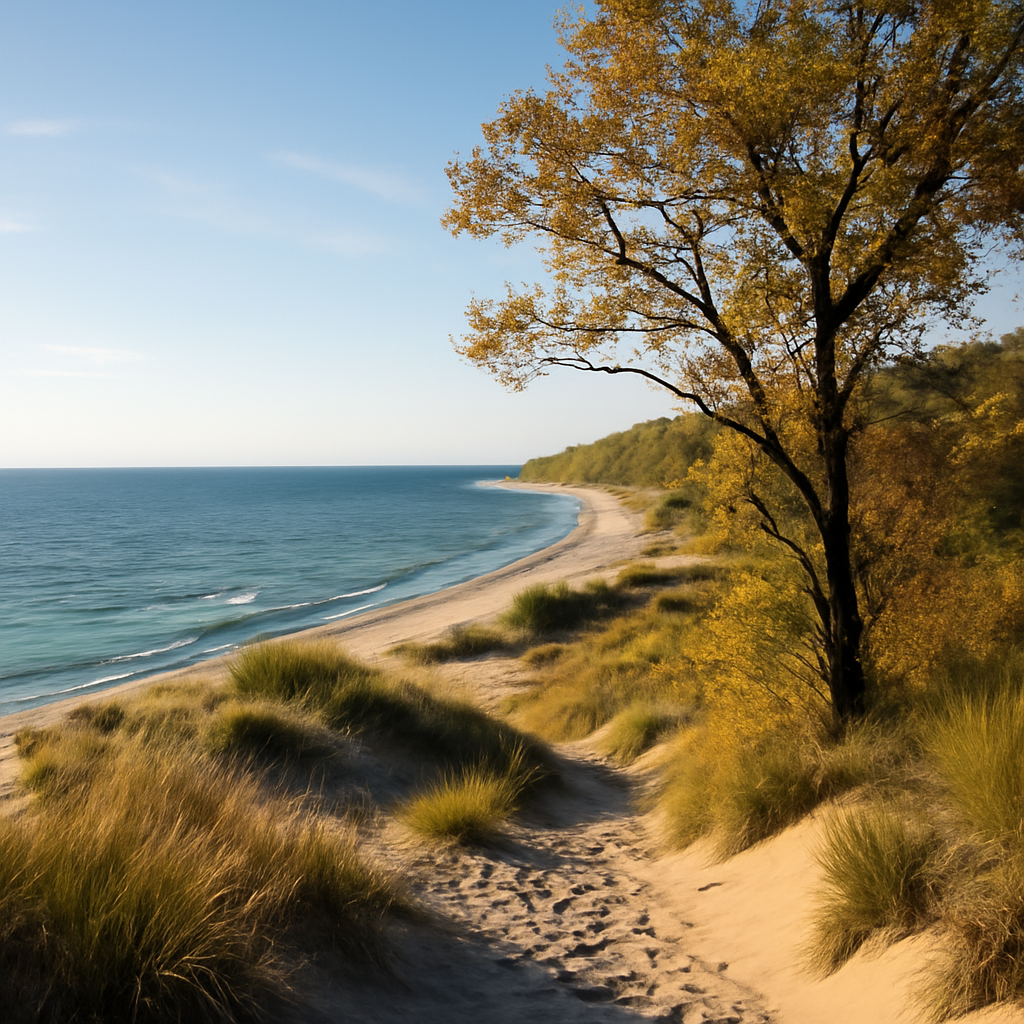
Stretching across 15 miles of Lake Michigan's shoreline, the park boasts a diverse array of habitats, from towering dunes and lush forests to serene wetlands. The dunes themselves rise up to 200 feet, offering breathtaking vistas of the lake and the surrounding landscape. The park is home to over 1,100 species of plants and a rich variety of wildlife, making it a hotspot for biodiversity. Birdwatchers flock to this area during migration seasons, as the park serves as a crucial stopover for many species.
The interplay between the lake and the land creates a unique microclimate, allowing for diverse ecosystems to thrive. Visitors will find themselves walking through pine forests, traversing sandy trails, and exploring the tranquil waters of the wetlands, each offering a different glimpse into the park’s ecological diversity.
Distinctive Features
What sets this national park apart from others in the region is not only its stunning natural beauty but also its accessibility. Located just an hour from Chicago, it serves as a perfect escape for urban dwellers seeking solace in nature. The juxtaposition of the natural landscape against the backdrop of city life emphasizes the importance of preserving such spaces amidst urban expansion.
Moreover, the park’s cultural significance is highlighted through its historical sites, including the remnants of the historic Chellberg Farm and the iconic West Beach, where visitors can bask in the sun or hike the trails that wind through the dunes.
Experiences and Highlights
Visitors can immerse themselves in a plethora of activities that cater to all interests. Hiking enthusiasts can explore over 50 miles of trails, ranging from easy walks to challenging climbs up the dunes. The most popular trail, the Dune Succession Trail, offers a rewarding ascent to the top of Mount Baldy, where panoramic views of Lake Michigan await.
For those who prefer a more leisurely experience, the park's beaches provide a perfect setting for sunbathing, swimming, and picnicking. The soft sand and gentle waves create an inviting atmosphere for families and friends to gather. Additionally, the park offers ranger-led programs that delve into the area's natural and cultural history, providing a deeper understanding of this remarkable landscape.
Photography enthusiasts will find endless inspiration, with the golden hues of sunrise and sunset casting a magical glow over the dunes and the lake. The changing seasons further enhance the park's beauty, with vibrant fall foliage and serene winter landscapes offering unique perspectives throughout the year.
Cultural and Regional Significance
Indiana Dunes National Park is more than just a natural wonder; it is a symbol of the importance of conservation and the balance between development and nature. The park serves as a reminder of the rich cultural heritage of the Native American tribes and the industrial history of the region. Local communities actively engage in preservation efforts, fostering a sense of stewardship that resonates through educational programs and volunteer opportunities.
Seasonal Considerations and Best Time to Visit
The park is open year-round, but each season offers a distinct experience. Spring brings blooming wildflowers and migratory birds, making it a prime time for birdwatching. Summer is ideal for beach activities and hiking, while fall showcases a stunning array of colors. Winter transforms the landscape into a serene wonderland, perfect for snowshoeing and solitude.
For those seeking the best experience, visiting during the shoulder seasons of late spring and early fall can provide mild weather and fewer crowds, allowing for a more intimate connection with nature.
Helpful Visitor Insights
When planning a visit, it’s important to dress in layers, as temperatures can fluctuate throughout the day. Bring plenty of water and snacks, especially if you plan to hike the more challenging trails. Don’t forget your camera to capture the breathtaking views and unique wildlife encounters.
Whether you are a nature lover, an adventure seeker, or someone looking to reconnect with the outdoors, this national park offers a sanctuary that resonates with the spirit of exploration and the beauty of the natural world.