Mammoth Cave National Park
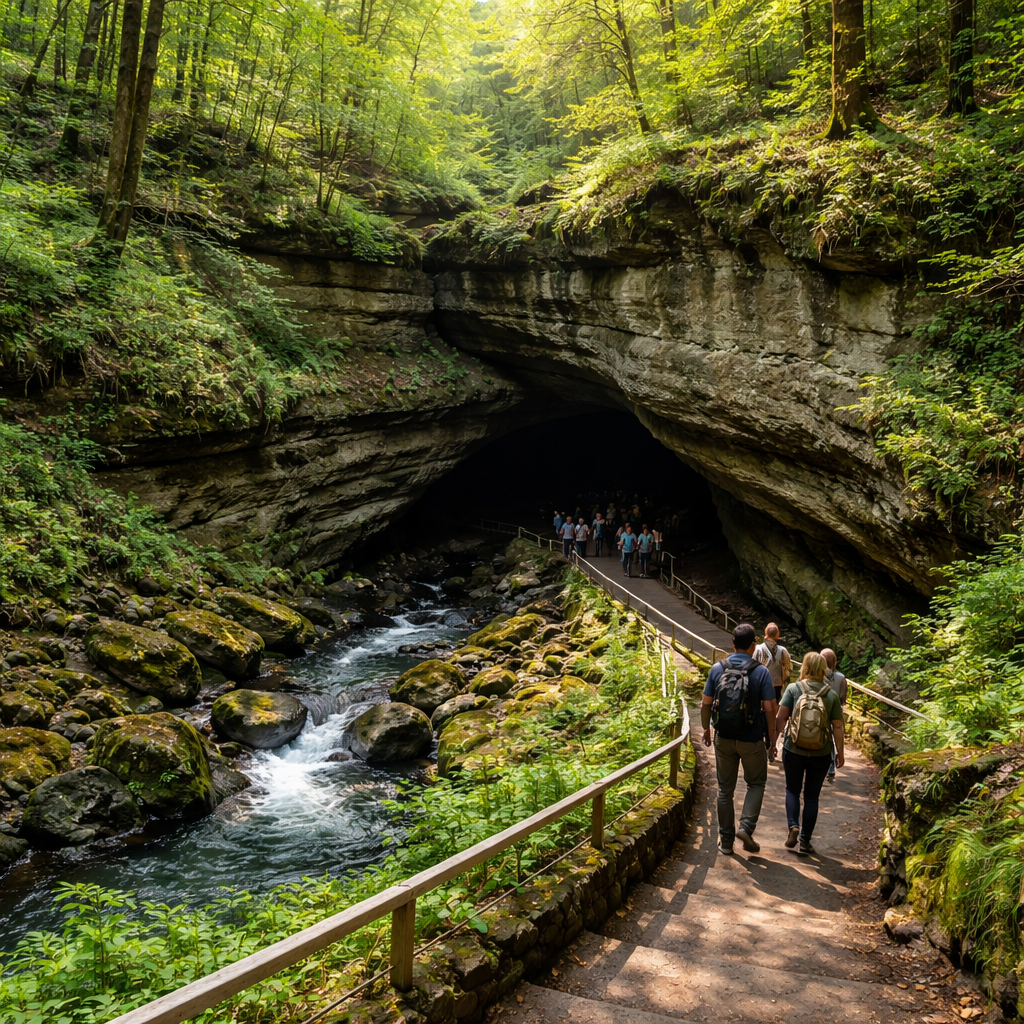
Mammoth Cave National Park: A Journey Through Time and Stone
Deep in the heart of Kentucky lies a world that has remained largely untouched by time—a labyrinth of subterranean wonders that beckons adventurers and nature lovers alike. Mammoth Cave National Park, a UNESCO World Heritage Site, is not just the longest cave system in the world; it is a testament to the power of nature and the passage of time. With its intricate geological formations, rich history, and diverse ecosystem, this park offers a unique glimpse into the earth's past while inviting visitors to explore its hidden depths.
Origins and Historical Background
The story of Mammoth Cave begins millions of years ago when ancient rivers carved through the limestone bedrock, creating a vast network of tunnels and chambers. The cave system was first documented in the late 18th century, and it quickly became a site of intrigue. By the early 19th century, the cave was being explored for its potential as a source of saltpeter, a key ingredient in gunpowder. The discovery of the cave's vastness and beauty led to its transformation into a tourist attraction, making it one of the earliest commercial caves in the United States.
The park's cultural significance extends beyond its geological features. The cave has been a sacred site for Native American tribes for centuries, and remnants of their presence can still be found within its depths. Today, the park stands as a testament to both natural and human history, inviting visitors to connect with the past as they venture into its shadowy corridors.
Geographic Setting and Environmental Character
Nestled within the rolling hills of south-central Kentucky, the park encompasses over 52,000 acres of lush forests, meandering rivers, and vibrant wildlife. The surface landscape is a stark contrast to the dark, damp world below. Above ground, visitors can wander through diverse ecosystems, from hardwood forests to open fields, each teeming with life. The park is home to over 130 species of birds, numerous mammals, and a host of unique plant species, making it a vital area for conservation.
The entrance to the cave itself is dramatic—a gaping maw in the earth that invites exploration. As you step inside, the temperature drops, and the air becomes heavy with moisture, a stark reminder of the natural processes that have shaped this underground world. Stalactites and stalagmites, some over a thousand years old, rise and fall like ancient sentinels, bearing witness to the slow passage of time.
Distinctive Experiences and Highlights
Visitors to the park are greeted with a range of experiences that cater to all levels of adventure. Guided tours offer a chance to delve into the cave's history and geology, with options ranging from leisurely strolls to more strenuous spelunking excursions. The Historic Tour takes you through the cave's most famous passages, while the Wild Cave Tour challenges the adventurous spirit with a hands-on exploration of its less-traveled routes.
Above ground, the park offers a plethora of activities for nature enthusiasts. Hiking trails wind through the forest, leading to scenic overlooks and hidden waterfalls. The Green River provides opportunities for canoeing and kayaking, allowing visitors to experience the park from a different perspective. Birdwatchers will find ample opportunities to spot migratory species, while photographers can capture the stunning contrasts of light and shadow that define the landscape.
Cultural and Regional Significance
Mammoth Cave National Park is not just a geological wonder; it is a cultural touchstone for the region. The park is intertwined with the stories of the people who have lived in its shadow, from Native American tribes to early settlers. The nearby towns of Cave City and Park City offer a glimpse into the local culture, with charming shops and eateries that celebrate Kentucky's rich heritage. Festivals and events throughout the year highlight local traditions, making a visit to the park a well-rounded experience.
Seasonal Considerations and Best Time to Visit
The park is open year-round, but each season brings its own charm. Spring awakens the landscape with vibrant wildflowers and the return of migratory birds, making it a favorite for photographers and nature lovers. Summer offers warm weather, perfect for hiking and exploring the cave's cooler depths. Autumn transforms the forests into a tapestry of color, while winter brings a serene quietness to the park, ideal for those seeking solitude.
Helpful Visitor Insights
When planning a visit, it's essential to book cave tours in advance, especially during peak seasons. Wear sturdy footwear and dress in layers, as temperatures can vary significantly between the surface and the cave. Don't forget to bring a water bottle and snacks, as exploring can be a physically demanding endeavor. Lastly, take time to explore the park's visitor center, where exhibits provide deeper insights into the cave's history and ecology.
In a world that often feels rushed and chaotic, Mammoth Cave National Park offers a refuge—a place where time slows down, and the beauty of the earth's creation can be fully appreciated. Whether you're wandering through its winding passages or hiking along its verdant trails, the park invites you to connect with nature in a profound way, reminding us of the intricate dance between humanity and the natural world.