Jean Lafitte National Historical Park and Preserve
Jean Lafitte National Historical Park and Preserve: A Journey Through Time and Nature
Nestled just a short drive from the vibrant city of New Orleans, Jean Lafitte National Historical Park and Preserve offers a unique glimpse into the rich tapestry of Louisiana's cultural and natural heritage. Named after the infamous pirate Jean Lafitte, this expansive park is a testament to the area's complex history, showcasing the interplay between human endeavor and the lush, untamed landscapes of the bayou.
Origins and Historical Background
The park is a living narrative of Louisiana's past. Established in 1978, it commemorates the diverse influences that have shaped the region, from Native American tribes to European settlers. The land itself tells stories of resilience and adaptation, with its wetlands serving as both sanctuary and battleground throughout history. The park's namesake, Lafitte, was a key figure in the War of 1812, and his legacy is woven into the very fabric of the area. Visitors can explore how the region's unique geography and its strategic location influenced trade, conflict, and cultural exchange.
Geographic Setting and Environmental Character
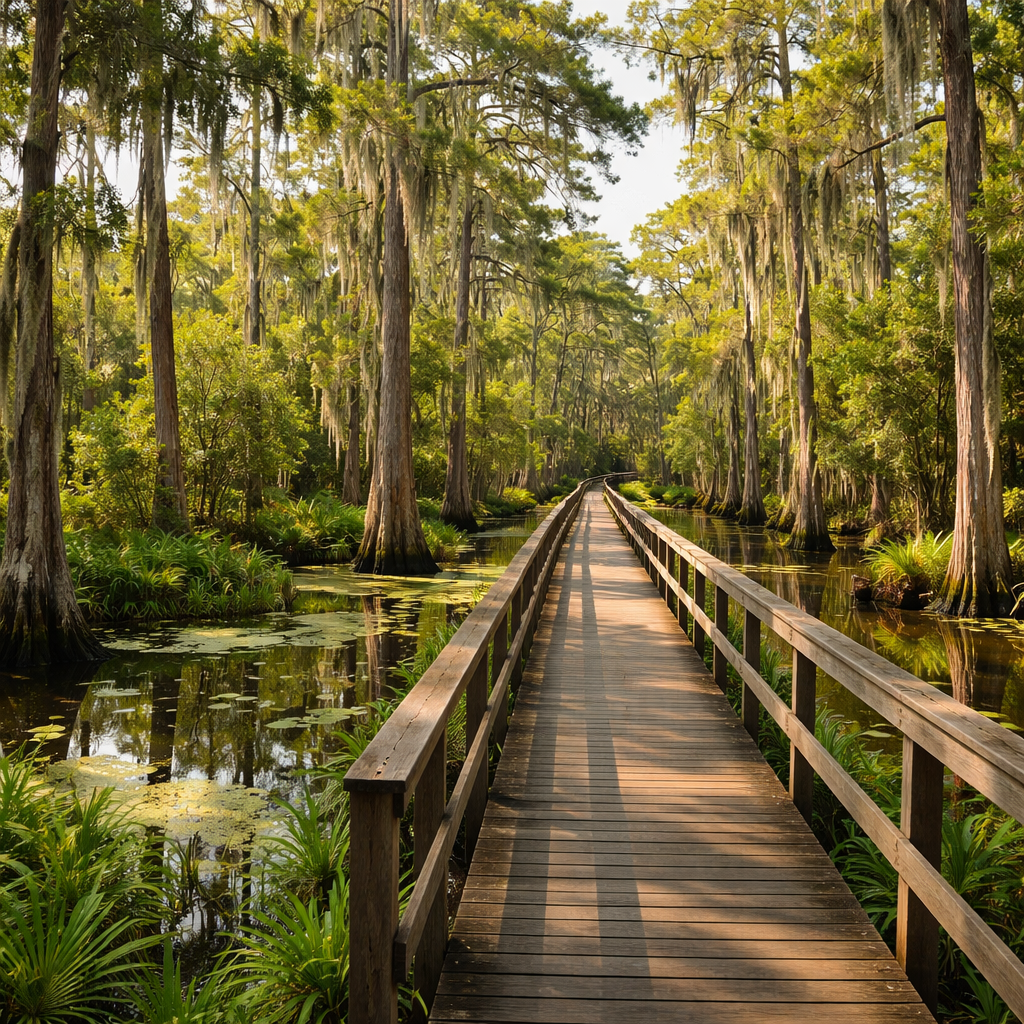
Jean Lafitte National Historical Park and Preserve spans over 23,000 acres of swamps, marshes, and forests, providing a stunning backdrop for exploration. The landscape is a mosaic of ecosystems, where cypress trees rise majestically from the water, and Spanish moss drapes like delicate lace from branches. The park is home to a diverse array of wildlife, including alligators, herons, and the elusive bobcat. As you wander the trails or glide through the waterways, the sounds of nature envelop you—birds calling, the rustle of leaves, and the gentle lapping of water against the shore.
Distinctiveness Within the Region
What sets this park apart is its blend of natural beauty and cultural significance. Unlike other parks that may focus solely on natural landscapes, Jean Lafitte provides a multifaceted experience. The park is divided into several units, each offering distinct perspectives on Louisiana's heritage. The Barataria Preserve, for instance, immerses visitors in the heart of the bayou, while the Acadian Cultural Center delves into the lives of the Acadians who settled in the region. This combination of history and ecology creates a rich, layered experience that resonates with visitors.
Experiences and Highlights
Visitors to the park can engage in a variety of activities that cater to all interests. Hiking enthusiasts will find numerous trails winding through the wetlands, each offering unique views and opportunities for birdwatching. The park's guided boat tours allow you to navigate the intricate waterways, providing an intimate encounter with the wildlife and plant life that call this area home.
For those interested in history, the park hosts educational programs and exhibits that highlight the cultural significance of the region. The visitor center features artifacts and displays that tell the stories of the people who have inhabited this land over the centuries. Additionally, seasonal events, such as the annual “Louisiana Swamp Stomp,” celebrate local music, food, and traditions, inviting visitors to immerse themselves in the vibrant culture of the area.
Cultural Significance
The park is not just a haven for nature lovers; it is also a cultural touchstone. Louisiana's unique blend of French, Spanish, African, and Native American influences is palpable here. The stories of the Acadians, Cajuns, and Creoles are interwoven into the park's narrative, making it a vital site for understanding the region's identity. The preservation of local traditions, crafts, and culinary practices is celebrated through various programs, ensuring that the rich cultural heritage of Louisiana continues to thrive.
Seasonal Considerations and Best Time to Visit
While the park welcomes visitors year-round, the best time to experience its beauty is during the spring and fall months. From March to May and September to November, temperatures are mild, and the flora and fauna are particularly vibrant. Summer can be hot and humid, making outdoor activities more challenging, while winter offers a quieter experience with fewer crowds.
Helpful Visitor Insights
Before your visit, consider dressing in layers and wearing comfortable shoes suitable for hiking. Insect repellent is a must, especially during warmer months, as mosquitoes can be prevalent. The park's visitor center is an excellent first stop, providing maps, information on guided tours, and insights into the best spots to explore. Whether you're an avid naturalist, a history buff, or simply seeking a peaceful retreat, Jean Lafitte National Historical Park and Preserve invites you to discover the stories that lie within its enchanting landscapes.