New Orleans
Overview
New Orleans, a vibrant tapestry of culture, music, and history, beckons travelers with its unique charm and spirited atmosphere. Known for its lively festivals, rich culinary scene, and eclectic neighborhoods, this city is a sensory delight that invites exploration and discovery. Whether you're wandering the historic streets of the French Quarter or savoring beignets in a local café, New Orleans offers an experience that lingers long after you leave.
Distinctive Highlights & Notable Features
- The French Quarter: The heart and soul of the city, known for its lively streets, historic architecture, and bustling nightlife.
- Live Music Scene: Home to jazz, blues, and a variety of genres, the city’s music scene is an integral part of daily life.
- Culinary Delights: Renowned for its Creole and Cajun cuisine, the city offers a plethora of flavors, from gumbo to po'boys.
- Festivals: Events like Mardi Gras and Jazz Fest showcase the city’s lively spirit and cultural heritage.
What Makes New Orleans Noteworthy
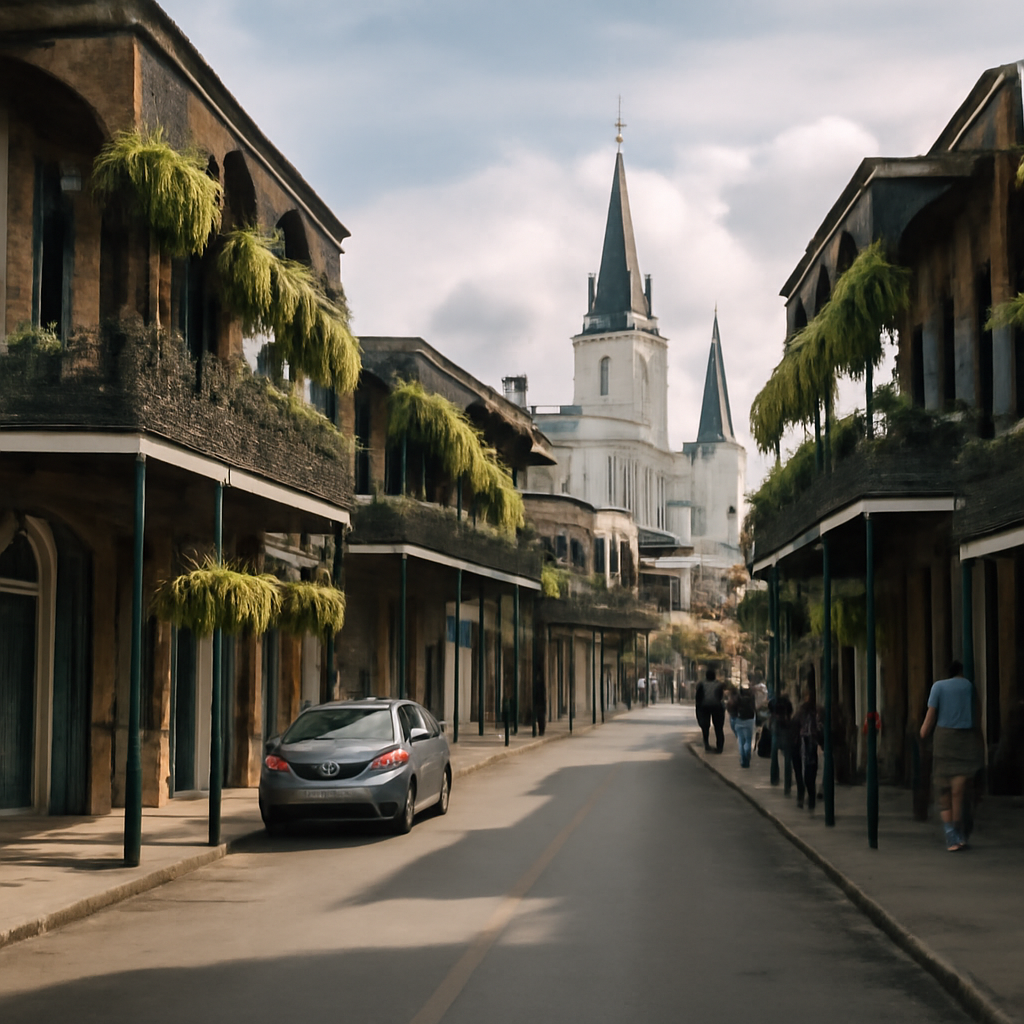
The city stands out for its rich blend of cultural influences, including French, Spanish, African, and Caribbean elements. This melting pot is reflected in its music, food, and festivals, making it a unique destination that celebrates diversity. The architecture, with its wrought-iron balconies and colorful facades, tells stories of a storied past, while the vibrant street life and local traditions continue to shape its identity.
Visiting Hours / Accessibility Information
New Orleans is accessible year-round, with many attractions open daily. However, specific hours may vary, especially for museums and galleries. Public transportation, including streetcars and buses, provides convenient access throughout the city, making it easy to navigate between neighborhoods.
Practical Visitor Tips & On-Site Etiquette
- Embrace the local culture by trying traditional foods and attending live music events.
- Respect the local customs, especially during festivals and parades.
- Dress comfortably, as you'll likely be walking a lot.
- Stay hydrated, especially in the warmer months.
Typical Time Required for a Visit
A typical visit can range from a weekend to a week, depending on your interests. To truly immerse yourself in the culture, plan for at least three days to explore the main attractions, savor the cuisine, and soak in the local music scene.
Restrictions or Prohibited Items
While visiting, be mindful of local laws regarding alcohol consumption in public spaces, especially during festivals. Additionally, some venues may have restrictions on large bags or backpacks, so it’s advisable to check ahead.
Additional Context About New Orleans
Founded in 1718, New Orleans has a rich history shaped by its strategic location along the Mississippi River. The city played a significant role in trade and cultural exchange, evolving into a hub of music, art, and culinary innovation. Its resilience is evident in the way it has embraced change while preserving its unique heritage.
Seasonal Considerations & Best Time to Visit
The best time to visit is during the spring (February to May) when the weather is mild, and festivals abound. However, fall (September to November) also offers pleasant temperatures and fewer crowds. Summer can be hot and humid, while winter is generally mild, making it a year-round destination.
How Visitors Commonly Reach the Location
Most visitors arrive via Louis Armstrong New Orleans International Airport, which is well-connected to major cities. Once in the city, options include rental cars, taxis, rideshares, and public transportation, allowing for easy exploration of the diverse neighborhoods.
Nearby Points of Interest
- Garden District: Known for its stunning mansions and historic charm.
- City Park: A vast green space featuring beautiful oak trees and art installations.
- National WWII Museum: A compelling tribute to the history of World War II.
FAQs
- What is the best time to experience Mardi Gras? Mardi Gras typically occurs in February or early March; check the calendar for specific dates.
- Is it safe to walk around New Orleans at night? While many areas are safe, it's advisable to stay in well-lit, populated areas and remain aware of your surroundings.
- Do I need to book tours in advance? While some tours can be booked last minute, popular ones may require advance reservations.
- Are there any age restrictions for music venues? Many venues are all-ages, but some may have age restrictions, especially during late-night shows.
- Can I drink alcohol in public? Open container laws vary; it’s legal in certain areas like the French Quarter but prohibited elsewhere.
Places in New Orleans

Audubon Zoo
Discover exotic animals and lush landscapes at Audubon Zoo, a must-visit gem in New Orleans for families and wildlife lo...
Explore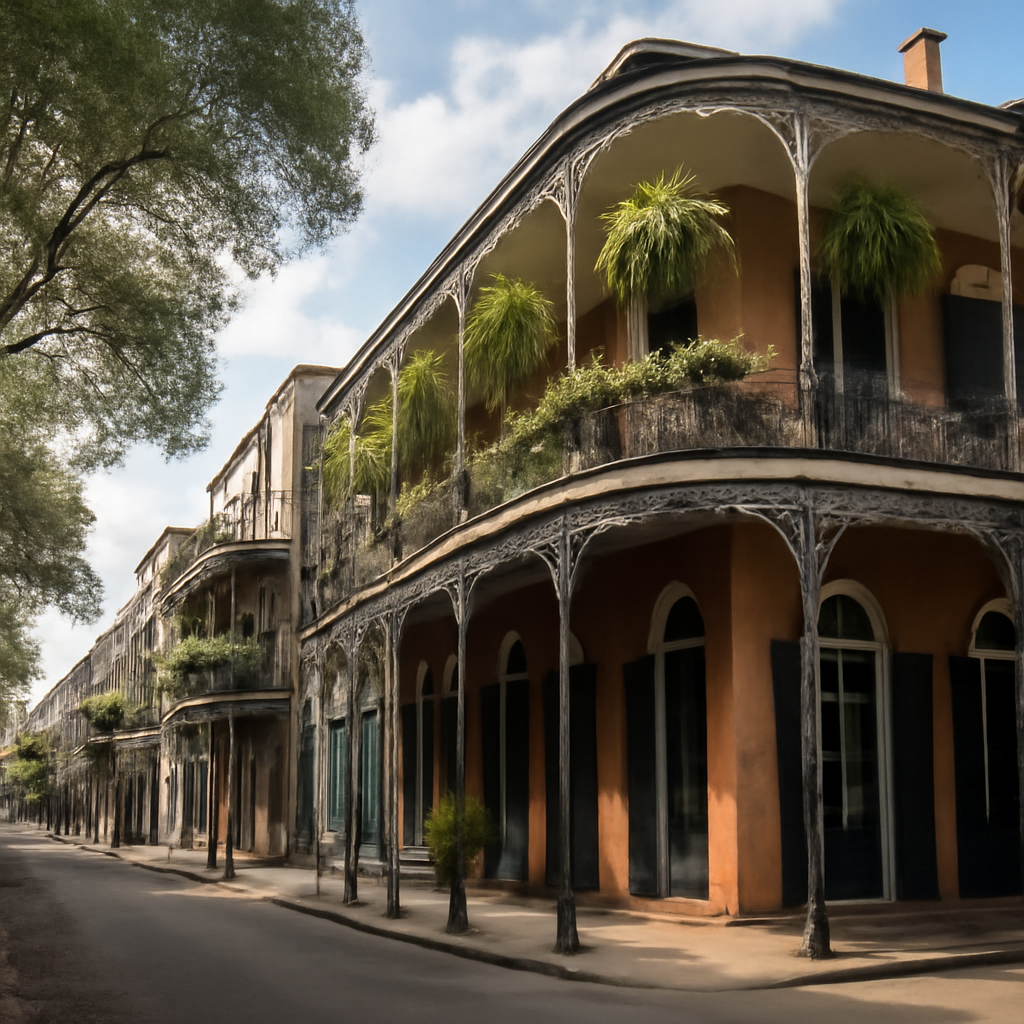
French Quarter
Discover lively streets, jazz music, and historic architecture in New Orleans' iconic French Quarter. A must-visit for a...
Explore
Garden District
Discover stunning mansions, lush gardens, and vibrant culture in New Orleans' enchanting Garden District.
Explore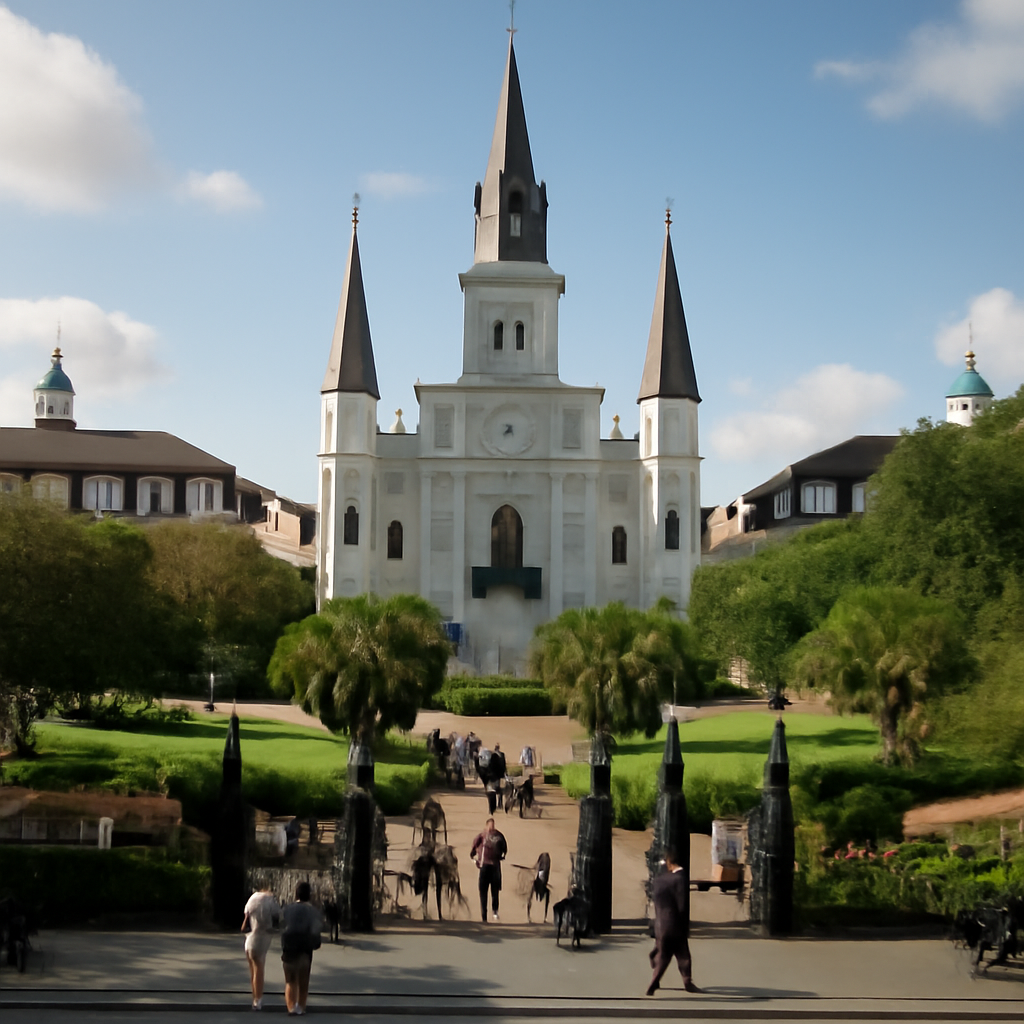
Jackson Square
Experience vibrant culture, stunning architecture, and live music at Jackson Square, a must-visit gem in the heart of Ne...
Explore