French Quarter
Exploring the French Quarter: A Tapestry of Culture and History
Stepping into the French Quarter is like entering a living canvas where history, culture, and vibrant life converge. Nestled in the heart of New Orleans, this historic neighborhood is a sensory overload of sights, sounds, and tastes that evoke the spirit of a city renowned for its unique heritage.
Origins and Historical Background
The French Quarter, or Vieux Carré, is the oldest neighborhood in New Orleans, dating back to its founding in 1718. Originally established by French colonists, the area has been shaped by a myriad of influences, including Spanish, African, and Creole cultures. This melting pot of traditions is evident in the architecture, cuisine, and music that define the Quarter today.
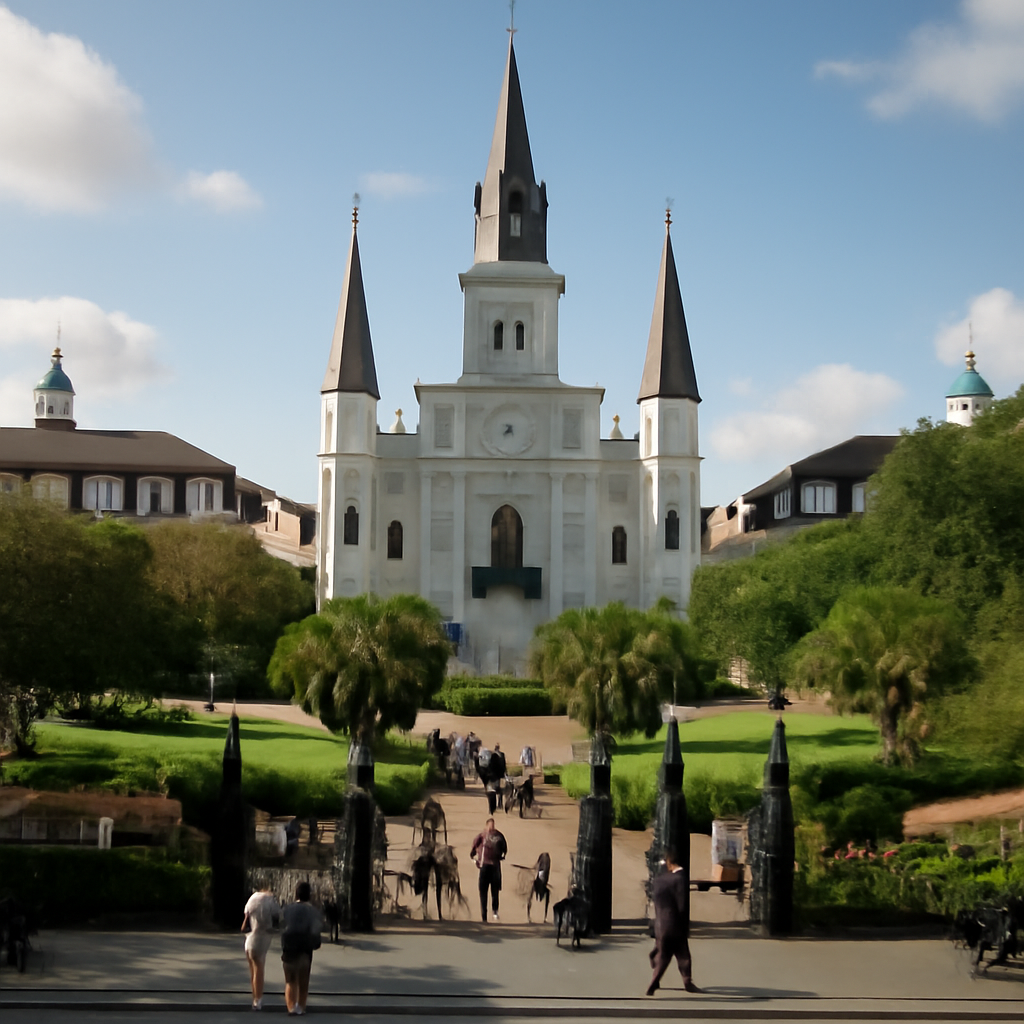
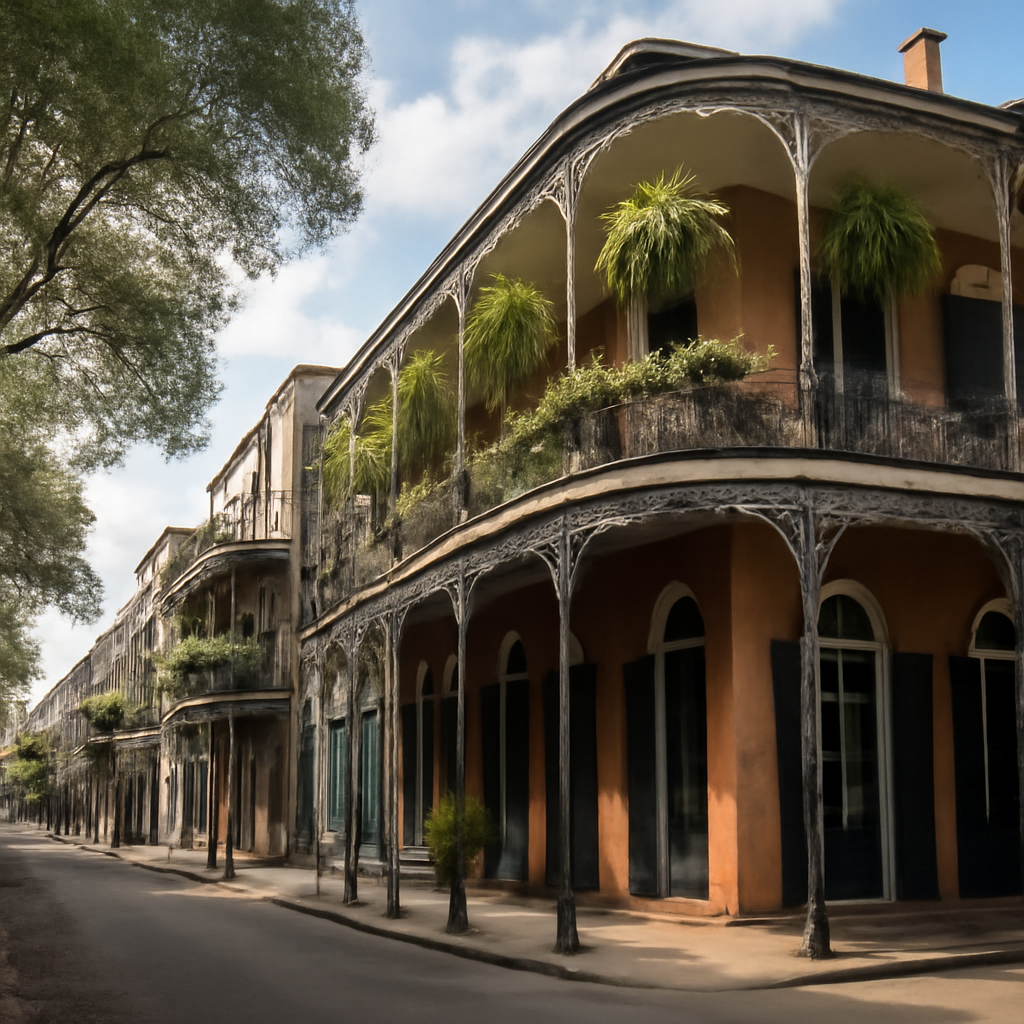
The neighborhood's layout is a nod to its colonial past, with narrow streets that wind through a patchwork of colorful buildings adorned with ornate ironwork balconies and lush courtyards. Notable structures like the Cabildo and St. Louis Cathedral stand as testaments to the area’s rich history, each telling stories of resilience and transformation through centuries of change.
Geographic Setting and Architectural Character
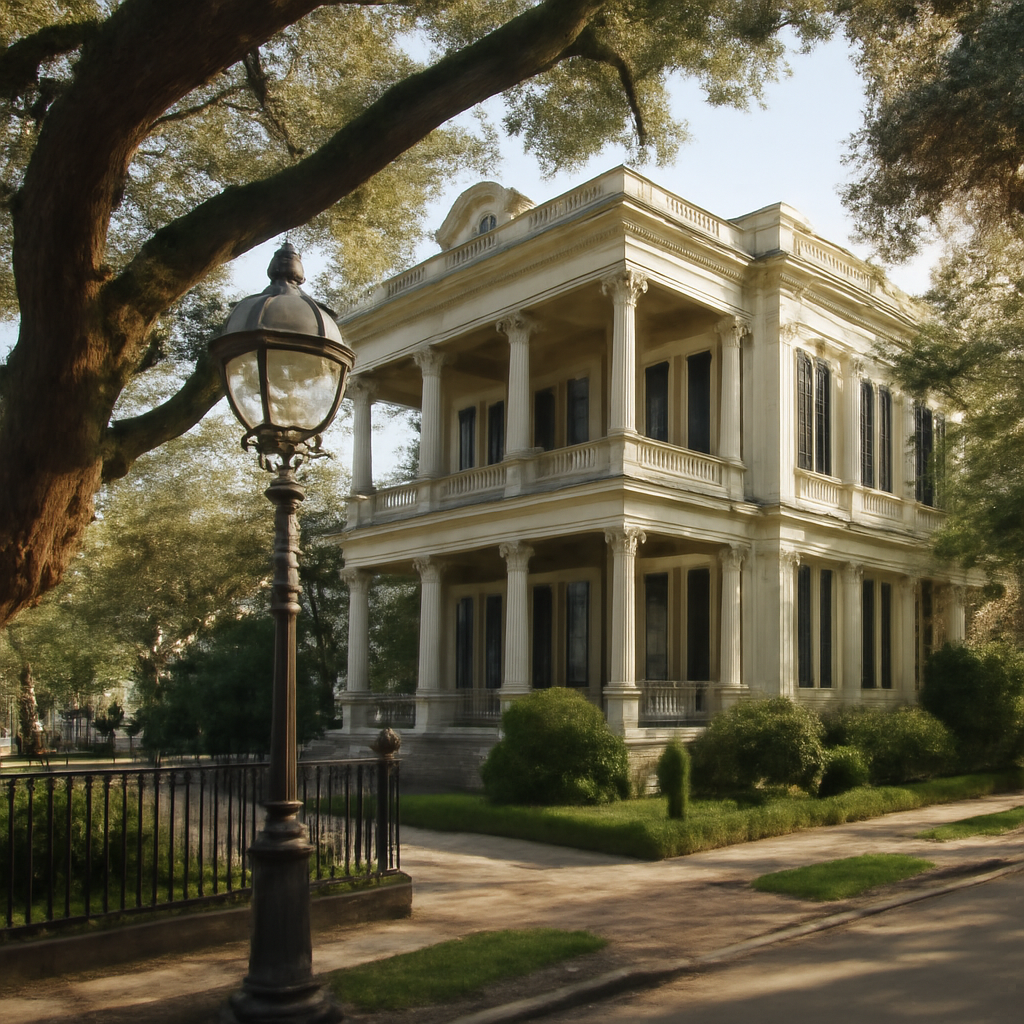
Situated along the banks of the Mississippi River, the French Quarter boasts a unique geographic charm. The river serves as both a lifeblood and a backdrop, offering stunning views and a sense of connection to the broader landscape of Louisiana. The architecture here is a vibrant mix, featuring elements from French, Spanish, and American styles, which together create a distinctive urban tapestry.
As you stroll through the streets, the scent of blooming jasmine mingles with the aroma of gumbo wafting from nearby eateries. The iconic façades of buildings painted in pastel hues evoke a sense of nostalgia, while the lively sounds of jazz and blues spill from bars and street corners, inviting visitors to stop and soak in the atmosphere.
Distinctive Experiences and Highlights
Visitors to the French Quarter can expect an array of experiences that cater to all senses. Begin your day with a beignet and café au lait from the famous Café du Monde, where the powdered sugar dusting mirrors the soft, fluffy pastries. As you savor your breakfast, watch as locals and tourists alike gather to enjoy this quintessential New Orleans treat.
As the sun rises higher, the streets come alive with street performers and artists showcasing their talents. The vibrant Jackson Square, with its lively ambiance, is a hub for musicians, tarot card readers, and painters, each adding to the eclectic charm of the area. Don’t miss the opportunity to explore the local art galleries and boutiques that line Royal and Chartres Streets, where unique finds await around every corner.
As evening approaches, the French Quarter transforms. The sounds of brass bands fill the air, and the streets pulse with energy. A visit to the historic Preservation Hall offers an intimate glimpse into the world of traditional jazz, where the music resonates through the wooden walls, echoing the city’s storied past.
Cultural Significance
The French Quarter is not just a tourist destination; it is a cultural epicenter that reflects the soul of New Orleans. It hosts numerous festivals throughout the year, most notably Mardi Gras, where the streets erupt in a riot of color, music, and celebration. The Quarter is a living testament to the city’s resilience and ability to embrace diversity, making it a vital part of the American cultural landscape.
Seasonal Considerations and Best Time to Visit
The best time to visit the French Quarter is during the cooler months, from late fall to early spring, when the weather is pleasant and outdoor activities abound. The months of February through April are particularly vibrant, as festivals and events draw crowds from around the globe. However, be prepared for the bustling atmosphere during Mardi Gras, when the streets are filled with revelers and the spirit of celebration is palpable.
Helpful Visitor Insights
When exploring the French Quarter, it’s essential to wear comfortable shoes, as the best way to experience the neighborhood is on foot. Be mindful of your surroundings, especially in crowded areas, and consider visiting during off-peak hours for a more leisurely experience. Engage with local residents and artists; their stories and insights will enrich your understanding of this remarkable place.
In summary, the French Quarter is a dynamic blend of history, culture, and community. Each visit unveils new layers of its rich tapestry, inviting you to return time and again to experience the magic that makes this neighborhood a true jewel of New Orleans.