Jackson Square
Exploring Jackson Square: The Heart of New Orleans
Origins and Historical Background
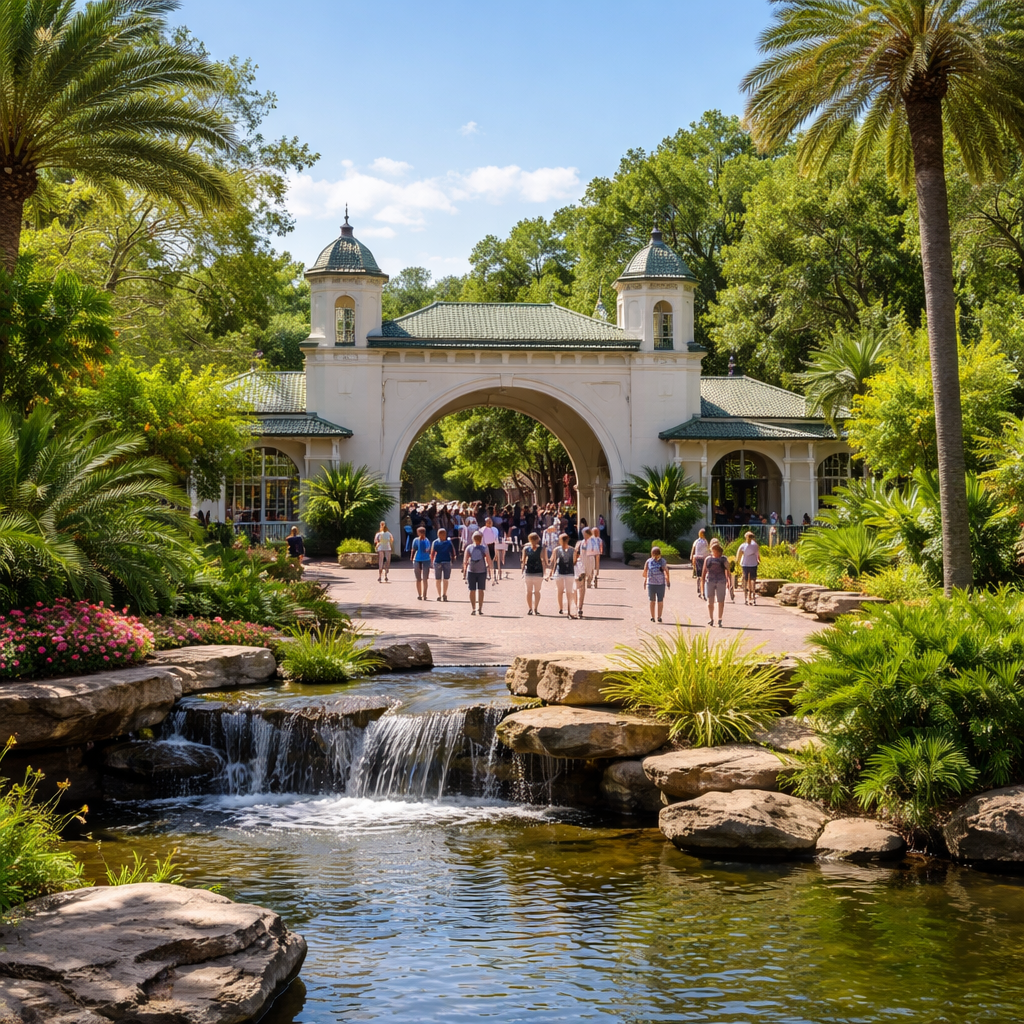
Jackson Square, with its lush greenery and vibrant atmosphere, stands as a testament to the rich tapestry of New Orleans' history. Originally known as Place d'Armes, the square was established in the early 18th century as the site of military parades and public gatherings. Its name was changed in 1850 to honor Andrew Jackson, the hero of the Battle of New Orleans, solidifying its place in both the city’s and the nation’s historical narrative.
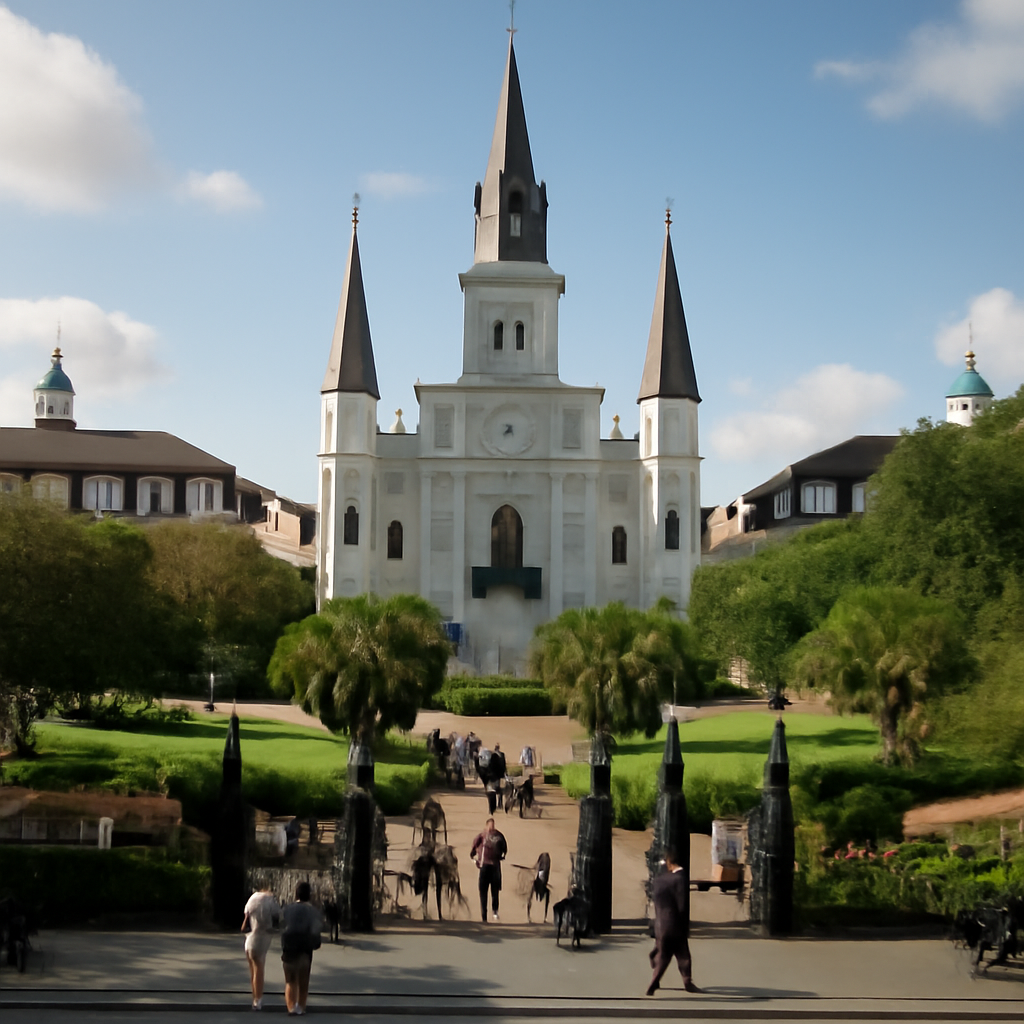
Surrounded by iconic structures, including the St. Louis Cathedral, the Cabildo, and the Presbytère, Jackson Square has been a focal point for cultural and social gatherings for centuries. The square has witnessed everything from colonial ceremonies to contemporary art displays, making it a living chronicle of New Orleans' evolution.
Geographic Setting and Architectural Character
Nestled in the French Quarter, Jackson Square is framed by the Mississippi River to the south and the vibrant streets of Bourbon and Chartres to the north. The square itself is a beautifully landscaped park, adorned with palm trees, wrought-iron fences, and historical monuments. The centerpiece is the majestic St. Louis Cathedral, which rises dramatically against the skyline, its spires piercing the New Orleans sky and serving as a beacon for both locals and visitors alike.
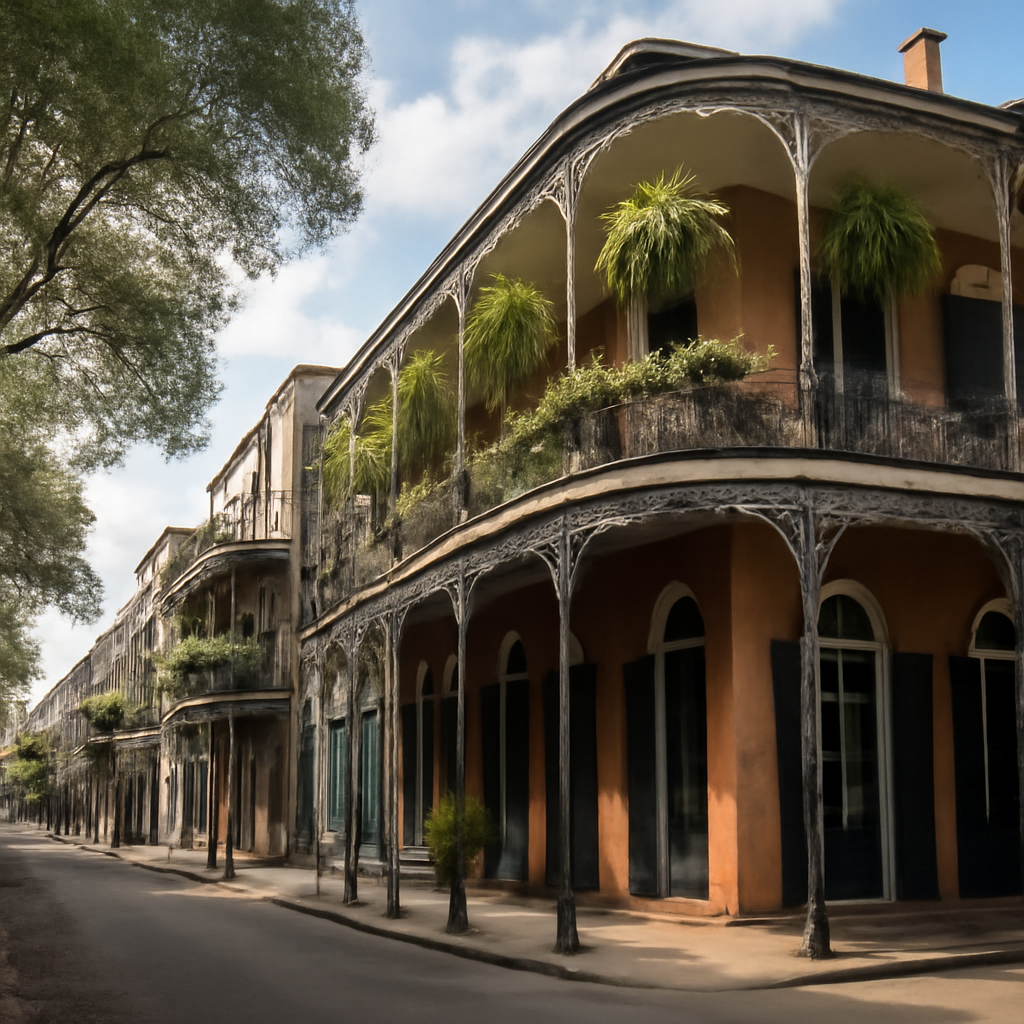
The architectural character of the square is a fusion of Spanish, French, and Creole influences, reflective of the city’s diverse heritage. The lush gardens and the iconic equestrian statue of Andrew Jackson invite visitors to linger, creating a serene oasis amid the bustling city.
Distinctive Features of the Square
What sets Jackson Square apart is its vibrant atmosphere, which pulsates with the rhythm of street performers, artists, and musicians. The square is an open-air gallery, where local artists display their work, ranging from traditional oil paintings to avant-garde pieces. Visitors often find themselves engrossed in the creative energy that fills the air, with live jazz and brass bands providing a soundtrack that is quintessentially New Orleans.
Moreover, the square serves as a gathering place for various cultural events, festivals, and celebrations throughout the year, reinforcing its role as a communal hub. The annual French Quarter Festival and the Celebration in the Oaks are just a couple of events that draw crowds, showcasing the city’s rich cultural heritage and artistic spirit.
Experiences and Highlights
Visiting Jackson Square offers a plethora of experiences that cater to all senses. Begin your day with a leisurely stroll through the square, sipping a café au lait from the nearby Café du Monde, where the aroma of beignets and chicory coffee wafts through the air. As you wander, take time to appreciate the artistry of local painters and the craftsmanship of street performers.
- St. Louis Cathedral: Step inside this historic cathedral to marvel at its stunning stained-glass windows and intricate architecture.
- Horse-drawn Carriage Rides: For a unique perspective of the French Quarter, consider a charming carriage ride that winds through the historic streets.
- Art Market: On weekends, the square transforms into an art market where you can purchase original works from local artists.
- Evening Jazz Performances: As the sun sets, the square comes alive with jazz performances that capture the essence of New Orleans’ musical heritage.
Cultural Significance
Jackson Square is not just a physical space; it embodies the spirit of New Orleans. It is a place where history, art, and community intersect, reflecting the city’s resilience and creativity. The square has served as a backdrop for significant civil rights events and cultural movements, making it a symbol of progress and unity.
Moreover, the square is a microcosm of the city’s diverse cultural influences, from its French and Spanish roots to its African and Caribbean heritage. This melting pot of cultures is evident in the food, music, and art that permeate the area, making Jackson Square a vital part of the New Orleans experience.
Seasonal Considerations and Best Time to Visit
While Jackson Square is a year-round destination, the best time to visit is during the spring and fall when the weather is mild and pleasant. The vibrant foliage and blooming flowers enhance the square's beauty, creating a picturesque setting for exploration. Additionally, these seasons coincide with various festivals, allowing visitors to immerse themselves in the local culture.
Summer can be hot and humid, but early mornings and late evenings offer a cooler respite. Winter, while mild, brings fewer tourists, allowing for a more intimate experience of the square and its surroundings.
Visitor Insights and Travel Considerations
When planning your visit, consider wearing comfortable shoes, as the square invites exploration. Be prepared for spontaneous encounters with street performers and artists, and don’t hesitate to engage with them; many are eager to share their stories and craft. Additionally, while the square is generally safe, it’s wise to remain aware of your surroundings, especially during busier times.
Finally, take a moment to simply sit on a bench, soak in the atmosphere, and reflect on the vibrant history and culture that Jackson Square represents. It’s a place where time seems to stand still, allowing visitors to connect with the heart and soul of New Orleans.