Boston
Overview
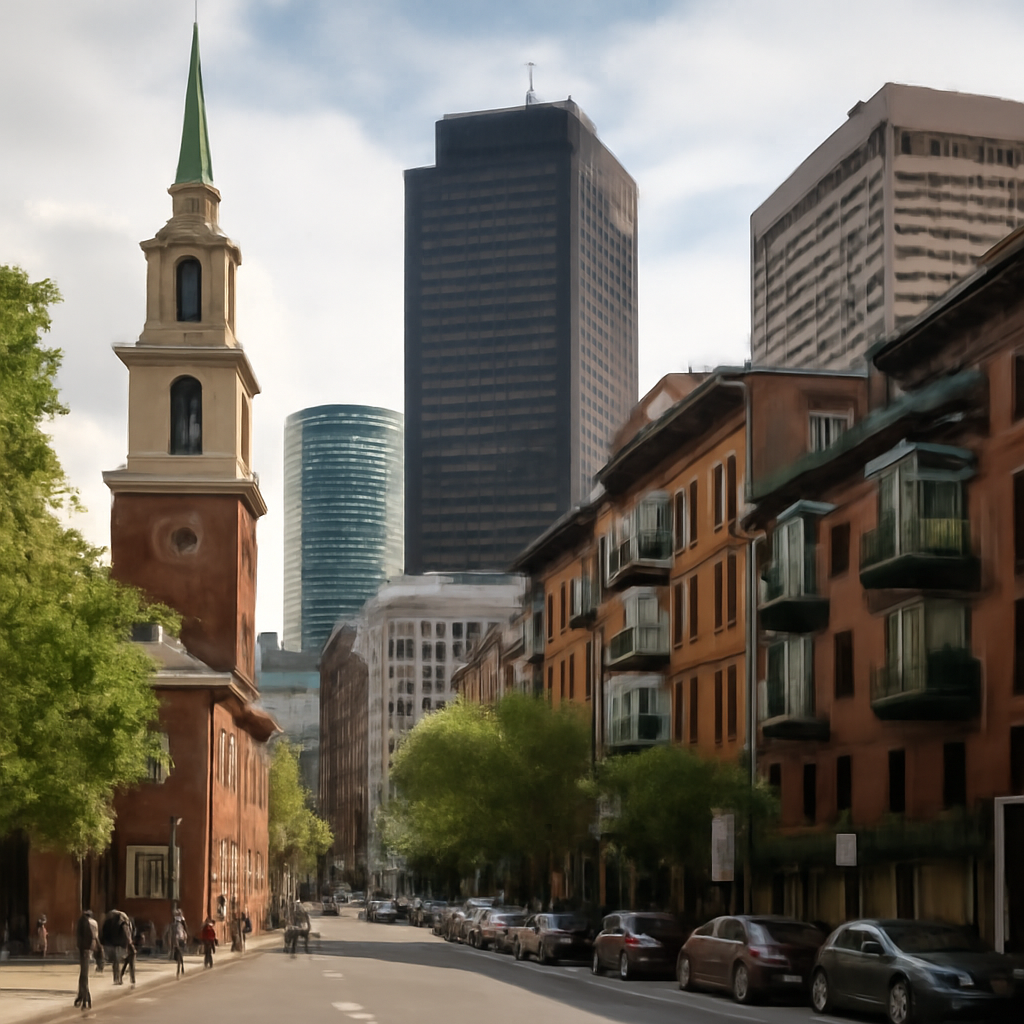
Boston, the capital of Massachusetts, is a vibrant city steeped in rich history and culture. As one of the oldest cities in the United States, it played a pivotal role in the American Revolution and continues to be a hub of education, innovation, and arts. Visitors are drawn to its cobblestone streets, historic landmarks, and lively neighborhoods, each offering a unique glimpse into the city’s past and present.
Distinctive Highlights & Notable Features
- The Freedom Trail: A 2.5-mile-long path that leads to 16 historical sites, including the Boston Common and Paul Revere's House.
- Fenway Park: The oldest ballpark in Major League Baseball, home to the Boston Red Sox, offering a nostalgic glimpse into America's pastime.
- The Boston Tea Party Ships and Museum: An interactive experience that immerses visitors in the events leading up to the American Revolution.
- Harvard University: Located just across the river in Cambridge, this prestigious institution offers beautiful architecture and rich academic history.
What Makes Boston Noteworthy
Boston is not just a city; it's a living museum where every corner tells a story. From the Boston Massacre to the Boston Marathon, the city embodies the spirit of resilience and innovation. Its diverse neighborhoods, such as the North End with its Italian heritage and Beacon Hill with its historic charm, showcase the cultural tapestry that defines this metropolis. Furthermore, Boston's commitment to education and research, evidenced by its numerous universities and hospitals, positions it as a leader in various fields, including medicine, technology, and the arts.
Visiting Hours / Accessibility Information
Most historical sites and museums in Boston are open year-round, though hours may vary seasonally. It’s advisable to check specific locations for their current hours. Public transportation, including the "T" subway system, is accessible, making it easy for visitors to navigate the city.
Practical Visitor Tips & On-Site Etiquette
- Wear comfortable shoes; Boston's streets are best explored on foot.
- Respect local customs, especially in quieter neighborhoods and during religious observances.
- Consider purchasing a Boston CityPASS for discounted entry to multiple attractions.
Typical Time Required for a Visit
A typical visit to Boston can range from a weekend to a week, depending on the depth of exploration. A focused itinerary covering major highlights can be accomplished in two to three days.
Restrictions or Prohibited Items
While most public areas are welcoming, certain museums and historical sites may have restrictions on photography or food and drink. Always check the specific guidelines at each location.
Additional Context About Boston
Founded in 1630, Boston has evolved from a Puritan settlement to a bustling urban center. Its role in the American Revolution, particularly events like the Boston Tea Party and the Battle of Bunker Hill, solidified its place in American history. Today, the city is a blend of historic charm and modern innovation, making it a fascinating destination for travelers.
Architectural or Natural Characteristics
The city boasts a mix of architectural styles, from the colonial buildings of the Freedom Trail to the modern skyline punctuated by the John Hancock Tower. Boston's waterfront, along with the scenic Charles River, adds to its natural beauty, providing picturesque views and recreational opportunities.
Seasonal Considerations & Best Time to Visit
Boston is beautiful year-round, but spring (April to June) and fall (September to November) are particularly popular for visitors due to mild weather and vibrant foliage. Summer can be hot and crowded, while winter offers a charming, albeit chilly, atmosphere with holiday festivities.
How Visitors Commonly Reach the Location
Boston is easily accessible by air, train, and bus. Logan International Airport serves as the primary gateway for air travelers, while Amtrak and regional trains connect the city to other major hubs. The city’s compact layout makes it convenient to explore on foot or via public transit.
Nearby Points of Interest
- Cambridge: Home to Harvard and MIT, offering a vibrant arts scene and unique shops.
- Salem: Known for its witch trials history, just a short train ride away.
- Lexington and Concord: Sites of the first battles of the American Revolution, providing historical insights.
FAQs
- What is the best way to get around Boston? The subway system, known as the "T," is the most efficient way to navigate the city.
- Are there guided tours available? Yes, numerous guided tours are offered, including walking tours, boat tours, and bus tours.
- Is Boston safe for tourists? Generally, Boston is considered safe, but it's always wise to remain aware of your surroundings.
- Can I walk the Freedom Trail on my own? Absolutely! The trail is well-marked and can easily be explored independently.
- What should I wear when visiting Boston? Dress in layers, as the weather can change quickly, and comfortable shoes are essential for walking.
Places in Boston
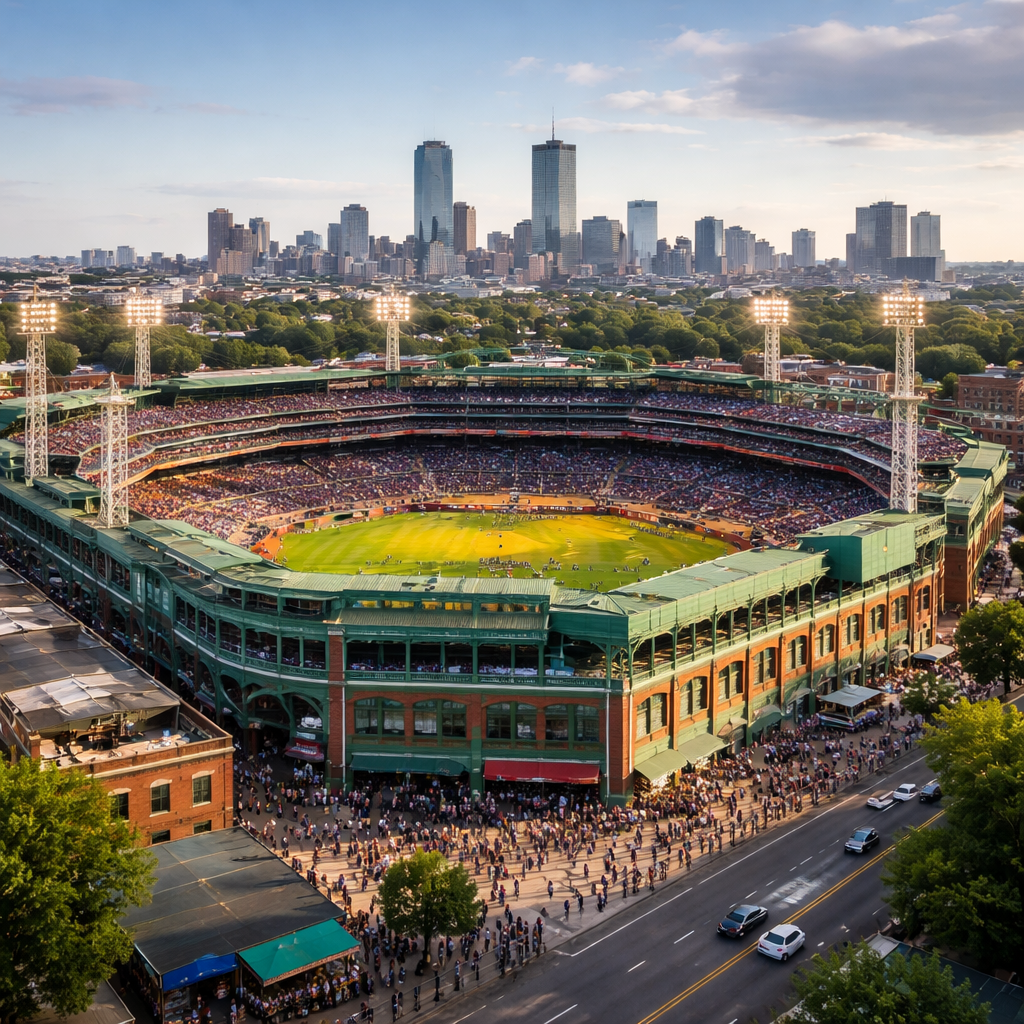
Fenway Park
Experience the thrill of baseball at Fenway Park, a cultural icon in Boston. Explore its rich history and vibrant atmosp...
Explore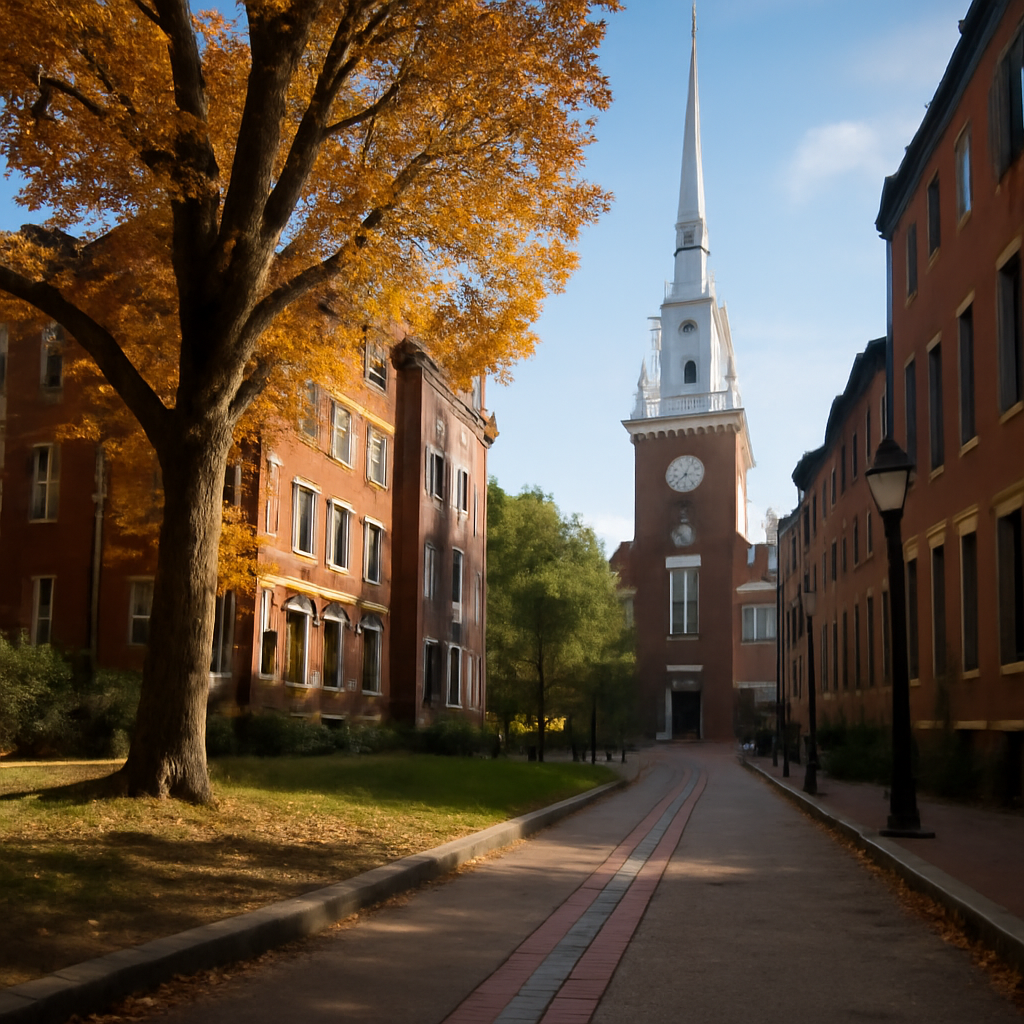
Freedom Trail
Walk through history on Boston's Freedom Trail, uncovering iconic sites and rich stories of America's past.
Explore