Freedom Trail
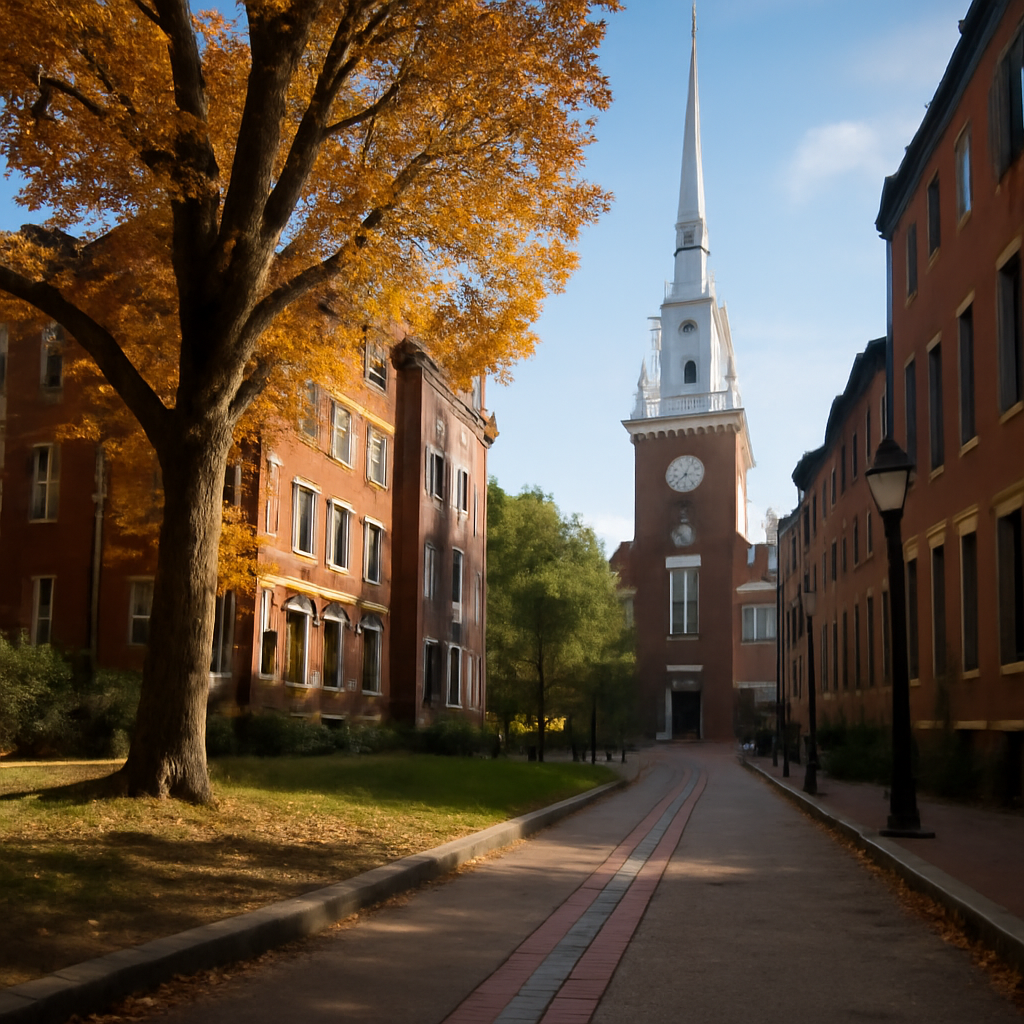
Exploring the Freedom Trail: A Journey Through Boston's Revolutionary Heart
A Walk Through History
The Freedom Trail is more than just a path through Boston; it is a living testament to the city’s pivotal role in the American Revolution. Stretching approximately 2.5 miles, this iconic trail weaves through the bustling streets of Boston, connecting 16 historical sites that tell the story of America’s fight for independence. As you stroll along the red-brick path, you can almost hear the whispers of patriots who once walked these streets, igniting the flames of liberty.
Origins and Historical Significance
Established in 1951, the Freedom Trail was designed to help visitors navigate the city’s rich history. However, its roots run deeper, tracing back to the events of the 18th century when Boston was at the epicenter of revolutionary fervor. Key sites along the trail include the Boston Common, the oldest public park in America, and the Massachusetts State House, with its iconic golden dome, both of which served as gathering places for the patriots. The trail also leads to the Old North Church, where the famous signal lanterns were hung, marking the start of Paul Revere’s midnight ride.
Geographic Setting and Architectural Character
Winding through Boston’s historic neighborhoods, the Freedom Trail showcases a blend of colonial and contemporary architecture. As you walk, you’ll encounter the cobblestone streets of Beacon Hill, lined with Federal-style townhouses, and the bustling atmosphere of Faneuil Hall Marketplace, where the echoes of merchants and revolutionaries alike still resonate. The juxtaposition of old and new is striking, making the trail not only a historical journey but also a vibrant exploration of urban life.
Distinctive Features of the Freedom Trail
What sets this trail apart is its immersive experience. Unlike many historical sites that can feel distant and detached, the Freedom Trail invites you to engage with history. Costumed guides often roam the trail, sharing stories and anecdotes that breathe life into the past. The trail is also marked by a continuous line of red bricks, making it easy to follow while encouraging spontaneous detours into nearby cafés and shops. This blend of exploration and education creates a unique atmosphere that draws visitors into the heart of Boston’s history.
Experiences and Highlights
- Boston Common: Start your journey in America’s oldest park, where locals relax and visitors can enjoy the lush green spaces.
- The State House: Marvel at the golden dome and learn about the political history that unfolded within its walls.
- Paul Revere House: Step into the home of the famous patriot and explore the artifacts that tell his story.
- Old South Meeting House: Discover the birthplace of the Boston Tea Party and the debates that fueled revolutionary ideas.
- Granary Burying Ground: Pay respects to notable figures such as Samuel Adams and John Hancock in this historic cemetery.
Cultural and Regional Significance
The Freedom Trail is not just a collection of sites; it is a symbol of Boston’s enduring legacy as a cradle of democracy. The trail attracts millions of visitors each year, fostering a deeper understanding of American history and the ideals of freedom and equality. It also serves as a reminder of the ongoing struggle for civil rights, making it a poignant reflection of both past and present. Events such as reenactments and guided tours further enrich the cultural tapestry, inviting visitors to engage with the narratives that shaped the nation.
Seasonal Considerations
While the Freedom Trail is accessible year-round, the best time to visit is during the spring and fall. In spring, the cherry blossoms in Boston Common bloom, creating a picturesque backdrop for your journey. Fall offers a stunning display of foliage, with vibrant colors enhancing the historical ambiance. Summer can be crowded, but the energy of the city is palpable, while winter, though colder, provides a quieter experience with fewer tourists.
Helpful Visitor Insights
Dress comfortably and wear sturdy shoes, as the trail involves a fair amount of walking. Consider starting early in the day to avoid crowds and to fully immerse yourself in the experience. Many visitors enjoy taking their time, stopping at various sites and local eateries along the way. Don’t forget to bring a camera; the blend of history and modernity offers countless photo opportunities. Finally, take advantage of the free walking tours available, which can provide deeper insights into the stories behind the sites.