Voyageurs National Park
Exploring Voyageurs National Park: A Minnesota Gem
Nestled in the northwestern corner of Minnesota, bordering Canada, Voyageurs National Park is a sanctuary of pristine lakes, dense forests, and rich cultural history. This hidden treasure, often overshadowed by more famous national parks, offers a unique blend of natural beauty and recreational opportunities, making it a must-visit destination for those seeking adventure and tranquility in equal measure.
Historical and Natural Origins
The park's name pays homage to the French-Canadian fur traders, known as voyageurs, who navigated its waterways in the 18th and 19th centuries. These intrepid explorers played a vital role in the fur trade, creating trade routes that would eventually lead to the establishment of towns and settlements in the area. The landscape itself tells a story of geological transformation, shaped by the last Ice Age, which carved out the park's numerous lakes and rugged terrain.
Designated as a national park in 1975, Voyageurs encompasses over 218,000 acres of diverse ecosystems, including wetlands, forests, and the captivating waters of four major lakes: Rainy Lake, Kabetogama Lake, Namakan Lake, and Sand Point Lake. This unique geography creates a mosaic of habitats that support a rich variety of wildlife, from the elusive moose to the soaring bald eagle.
Distinctive Geographic Setting
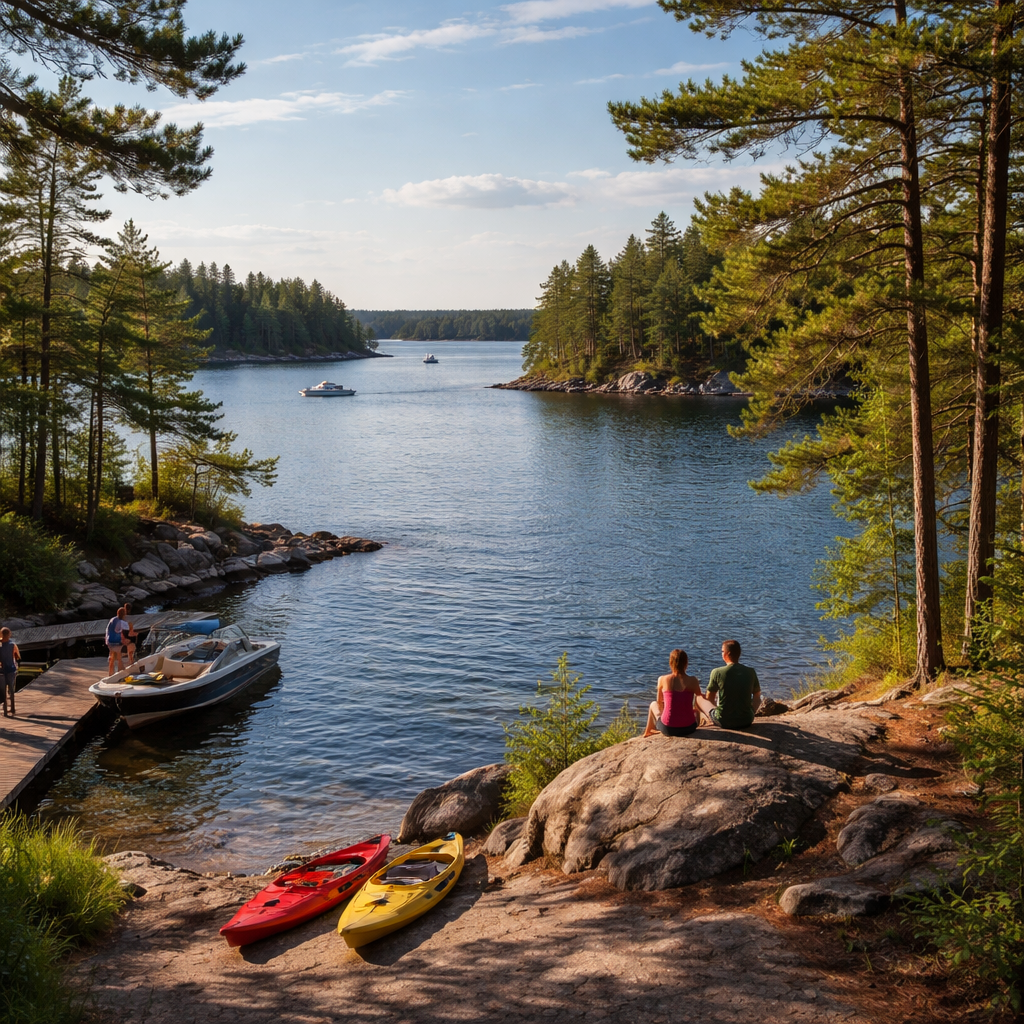
As you approach the park from International Falls, the landscape transforms dramatically. Towering pines and shimmering lakes greet you, inviting exploration. The park's waterways are its lifeblood, accessible primarily by boat, canoe, or kayak, which fosters a sense of adventure and connection to nature. The absence of roads within the park adds to its charm, encouraging visitors to slow down and immerse themselves in the serene environment.
Experiences and Highlights
Visitors to Voyageurs National Park can expect a plethora of outdoor activities. The park is a haven for paddlers, with over 30 miles of canoe routes that wind through tranquil waters and past secluded islands. Whether you're an experienced kayaker or a novice looking to dip your paddle into the water, the experience is nothing short of magical. The sound of water lapping against your canoe, the call of a distant loon, and the rustle of leaves in the breeze create a symphony of nature that is both calming and invigorating.
- Canoeing and Kayaking: Glide through the interconnected lakes and discover hidden coves, sandy beaches, and abundant wildlife.
- Hiking: Explore the park's trails, such as the Kabetogama Peninsula Trail, which offers stunning views and a chance to spot local flora and fauna.
- Fishing: Cast your line in the park's waters, teeming with walleye, northern pike, and bass, making it a popular spot for anglers.
- Winter Activities: In the colder months, the park transforms into a winter wonderland, perfect for snowshoeing, cross-country skiing, and ice fishing.
Cultural Significance
Voyageurs is not just a natural wonder; it also serves as a cultural crossroads. The park is home to the history of the Ojibwe people, who have lived in harmony with the land for centuries. Visitors can learn about their traditions and connection to the environment through interpretive programs and exhibits. Additionally, the remnants of fur trading posts and the stories of the voyageurs add layers of depth to the park's narrative, inviting visitors to reflect on the impact of human history on this pristine landscape.
Seasonal Considerations
The best time to visit Voyageurs National Park largely depends on the experiences you seek. Summer, from late June to early September, is ideal for water-based activities, with warm weather and long days perfect for exploration. However, the fall months bring a stunning display of autumn foliage, making it a picturesque time for hiking and photography. Winter offers a different kind of beauty, with snow-covered landscapes and opportunities for winter sports, while spring awakens the park with vibrant blooms and migratory birds returning to the area.
Visitor Insights
Planning a visit to Voyageurs requires some practical considerations. Since much of the park is only accessible by water, consider renting a canoe or kayak from local outfitters or joining a guided tour. Be prepared for variable weather, especially in the shoulder seasons, and pack layers to ensure comfort. The park's remote nature means that services are limited, so bringing your own food and supplies is advisable. Lastly, take the time to disconnect from technology; the park’s vastness is best experienced without distractions, allowing you to fully absorb its tranquility and beauty.
Whether you are seeking adventure, solitude, or a deeper connection to nature and history, Voyageurs National Park promises an unforgettable experience. Its enchanting landscapes and rich cultural heritage await those willing to explore its hidden depths.