Vicksburg National Military Park
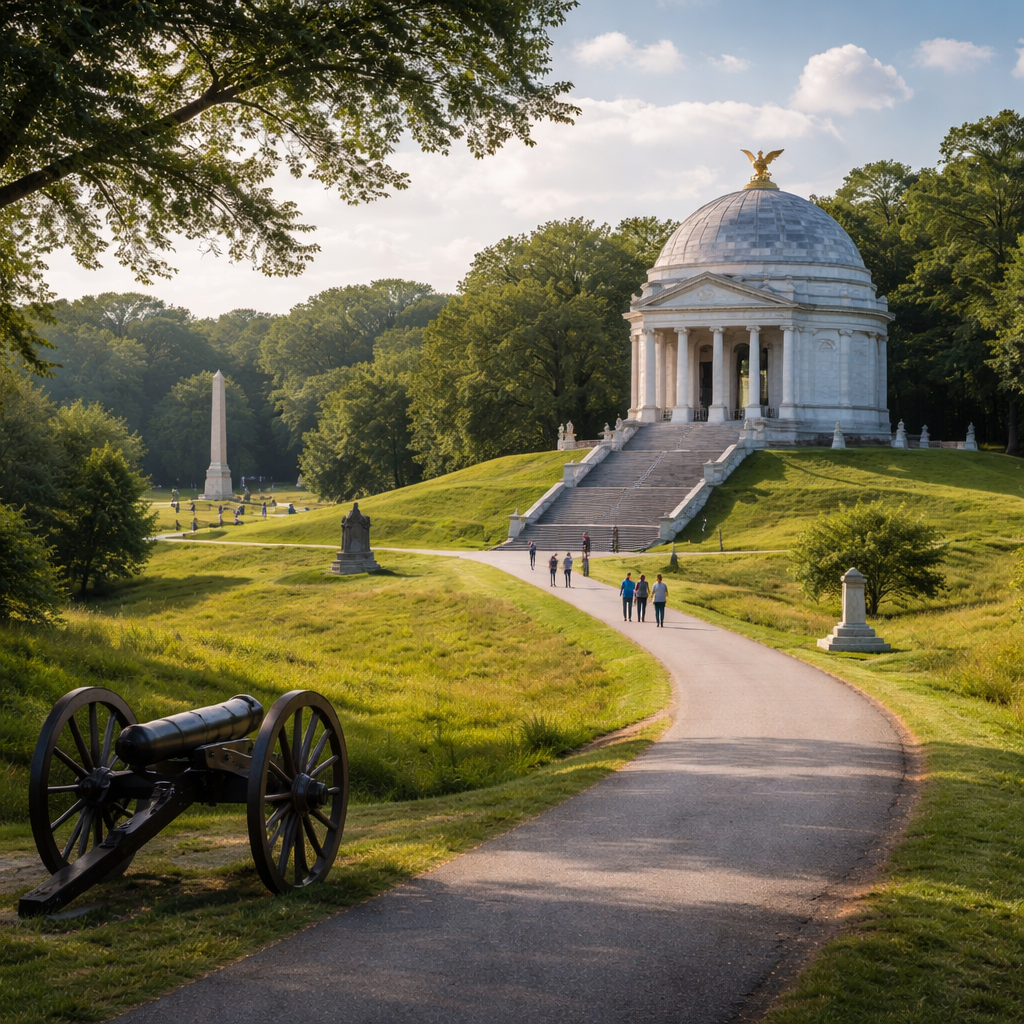
Exploring Vicksburg National Military Park
Origins and Historical Background
Vicksburg National Military Park stands as a poignant reminder of a defining moment in American history. The park commemorates the Siege of Vicksburg, a pivotal campaign during the American Civil War that took place from May 18 to July 4, 1863. This 47-day siege marked a turning point in the war, as Union forces, led by General Ulysses S. Grant, sought to gain control of the Mississippi River—a vital artery for trade and movement. The Confederate stronghold, commanded by General John C. Pemberton, was ultimately besieged, leading to a Union victory that split the Confederacy in two. The park preserves the legacy of the soldiers who fought here and serves as a testament to the sacrifices made during this tumultuous period.
Geographic Setting and Architectural Character
Nestled along the banks of the Mississippi River in the heart of Mississippi, the park sprawls over 1,800 acres of rolling hills, lush landscapes, and serene waterways. The terrain is dotted with monuments, historic earthworks, and well-preserved remnants of the battlefield, each telling a unique story of valor and sacrifice. The architecture of the park is characterized by its numerous memorials, including the impressive Illinois State Memorial, which stands as a tribute to the soldiers from Illinois who fought in the siege. The park’s scenic beauty, with its towering trees and vibrant wildflowers, creates a stark contrast to the harrowing history it represents.
Distinctive Features of the Destination
What sets this military park apart from other historical sites is its immersive experience that invites visitors to walk in the footsteps of those who lived through the siege. The park features a 16-mile tour road that winds through the battlefield, allowing guests to explore key locations at their own pace. Along the route, visitors can stop at various interpretive signs that provide context and narratives about specific events and battles. The park's diverse range of monuments, including the Texas and Louisiana memorials, reflects the contributions of different states and the collective sacrifice of the soldiers.
Experiences and Highlights
Visitors to the park can expect a multifaceted experience that combines education, reflection, and natural beauty. A guided ranger program offers insights into the strategies employed during the siege and the lives of soldiers on both sides. For those seeking a more personal connection, the park's visitor center houses a wealth of exhibits, artifacts, and a compelling film that chronicles the siege's events. The park is also home to several walking trails, perfect for those who wish to immerse themselves in the tranquil surroundings while contemplating the history that unfolded here. The breathtaking views of the Mississippi River, especially at sunset, provide a poignant backdrop for reflection.
Cultural and Regional Significance
Vicksburg holds a special place in the cultural tapestry of the American South. The city itself is steeped in history, with antebellum architecture and rich traditions that echo the past. The park not only preserves the memory of the Civil War but also plays a crucial role in the ongoing dialogue about reconciliation and remembrance. It serves as a gathering place for commemorative events, reenactments, and educational programs that foster a deeper understanding of the complexities of American history.
Seasonal Considerations and Best Time to Visit
The park is open year-round, but the best time to visit is during the spring and fall months when the weather is mild, and the landscape is particularly vibrant. Spring brings blooming wildflowers and lush greenery, while fall showcases a stunning array of autumn colors. Summer can be hot and humid, making outdoor activities less enjoyable, while winter, although cooler, offers a quieter atmosphere for reflection.
Helpful Visitor Insights
Before venturing to Vicksburg National Military Park, consider a few practical tips to enhance your visit. Start at the visitor center to gather maps and information about ranger-led programs. Wear comfortable shoes, as exploring the park requires walking on uneven terrain. Be sure to bring water, especially during warmer months, and consider packing a picnic to enjoy in one of the park's scenic spots. Lastly, take your time—this is a place that invites contemplation and connection with history, so allow yourself to absorb the stories etched into the landscape.