Gateway Arch
Gateway Arch: A Journey Through History and Skyline
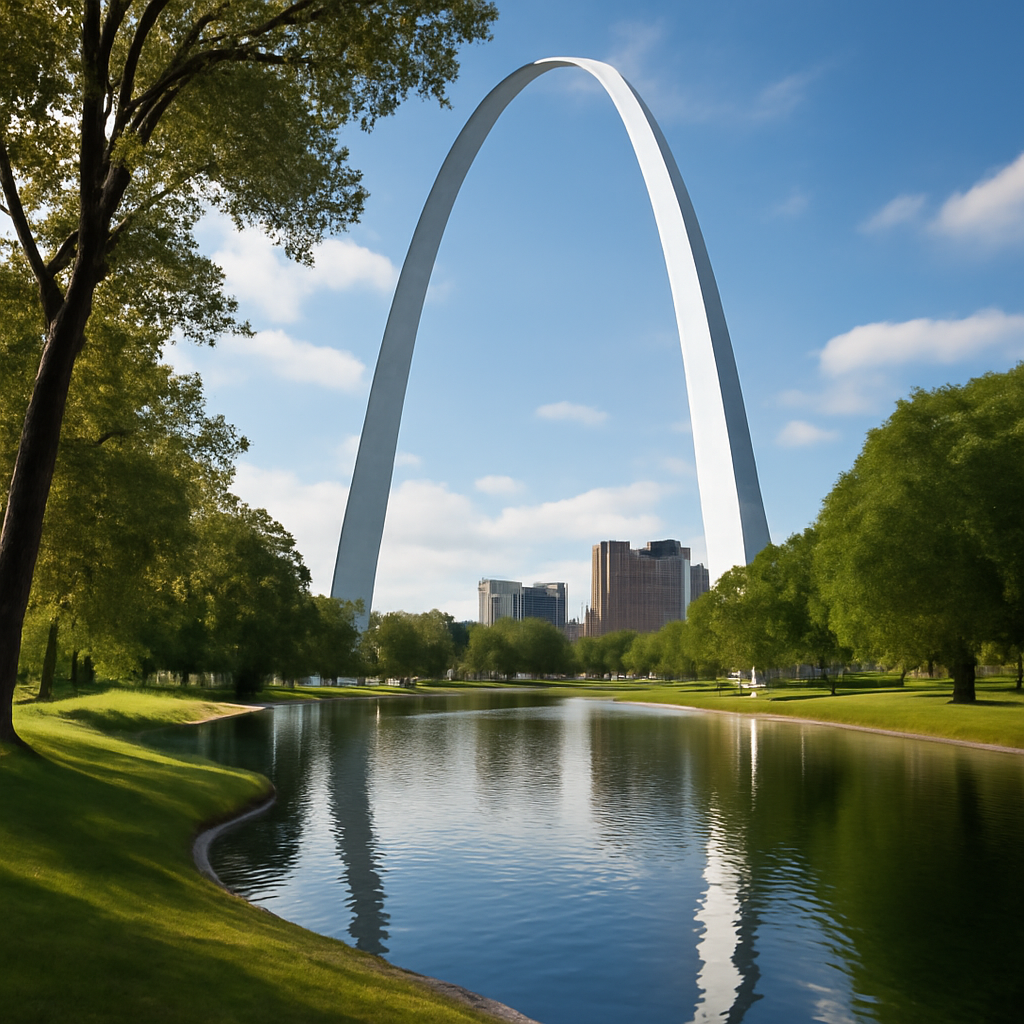
Nestled along the banks of the Mississippi River in St. Louis, Missouri, the Gateway Arch stands as a monumental tribute to the westward expansion of the United States. Rising 630 feet into the sky, this gleaming stainless-steel structure is not just an architectural marvel; it is a symbol of hope, ambition, and the spirit of adventure that characterized a pivotal era in American history.
Origins and Historical Significance
The story of the Gateway Arch begins in the early 19th century, when St. Louis was a bustling frontier town and a critical hub for pioneers heading west. In 1947, the city’s leaders envisioned a monument that would commemorate this spirit of exploration and the Louisiana Purchase, which doubled the size of the United States. Designed by architect Eero Saarinen, the Arch was completed in 1965, forever altering the St. Louis skyline and becoming an iconic representation of American ingenuity.
Geographic Setting and Architectural Character
Located in the heart of downtown St. Louis, the Arch serves as a striking contrast to the surrounding urban landscape. Its sleek, curved silhouette is mirrored by the flowing Mississippi River, creating a harmonious balance between nature and human achievement. The surrounding Gateway Arch National Park, which encompasses the monument, features lush green spaces, walking paths, and reflective pools that invite visitors to pause and appreciate the beauty of their surroundings.
Distinctive Features of the Gateway Arch
What sets the Arch apart from other monuments is not only its height but also its unique construction. The structure is composed of 900 tons of stainless steel, and its shape—a catenary curve—was chosen for both aesthetic beauty and structural integrity. Visitors can embark on a journey to the top via a tram system that transports them through the Arch’s interior, offering panoramic views of St. Louis and the Mississippi River. This experience is unlike any other, providing a sense of connection to the history and culture that the Arch embodies.
Experiences and Highlights
- Tram Ride to the Top: The highlight for many visitors is the tram ride that ascends to the observation deck. As you climb, the anticipation builds, and upon reaching the top, the breathtaking views of the city and river unfold before you.
- Visitor Center: The museum located at the base of the Arch offers a deep dive into the history of westward expansion, featuring interactive exhibits, artifacts, and films that bring the story of America’s journey to life.
- Riverfront Activities: The Arch grounds are perfect for leisurely strolls, picnics, or simply soaking in the vibrant atmosphere of the city. Seasonal events, concerts, and festivals often take place here, enhancing the cultural experience.
Cultural and Regional Significance
The Gateway Arch is more than just a monument; it is a cultural touchstone for St. Louis and a symbol of the American spirit. It attracts millions of visitors each year, contributing to the local economy and fostering a sense of pride among residents. The Arch also serves as a backdrop for significant events, from Fourth of July celebrations to community gatherings, reinforcing its role as a central figure in the life of the city.
Seasonal Considerations and Best Time to Visit
While the Arch is open year-round, the best time to visit is during the spring and fall months when the weather is mild, and the surrounding park is alive with blooming flowers or vibrant autumn foliage. Summer can be hot and humid, while winter may bring chilly temperatures, but the Arch’s allure remains constant, with unique seasonal events and holiday festivities adding to its charm.
Visitor Insights and Travel Considerations
When planning a visit, consider purchasing tickets online in advance, especially during peak tourist seasons. Arriving early allows you to enjoy the grounds before the crowds gather. Don’t forget to bring a camera—both for the stunning views from the top and the beautiful reflections of the Arch in the nearby river. Lastly, take some time to explore the surrounding area, including the historic Old Courthouse and the lively neighborhoods of Soulard and Lafayette Square, which showcase the rich cultural tapestry of St. Louis.