Glacier National Park
Exploring Glacier National Park: A Journey Through Nature's Masterpiece
Origins and Historical Significance
Nestled in the rugged Rocky Mountains, the park's history is as rich as its landscapes. Established in 1910, this majestic expanse was born from the vision of early conservationists who recognized the need to preserve its stunning natural beauty. The area's geological history dates back millions of years, shaped by glacial activity that carved out its dramatic valleys and peaks. The Blackfeet Nation, who have inhabited the region for centuries, regard these lands as sacred, intertwining their cultural heritage with the natural wonders that abound.
Geographic Setting and Environmental Character
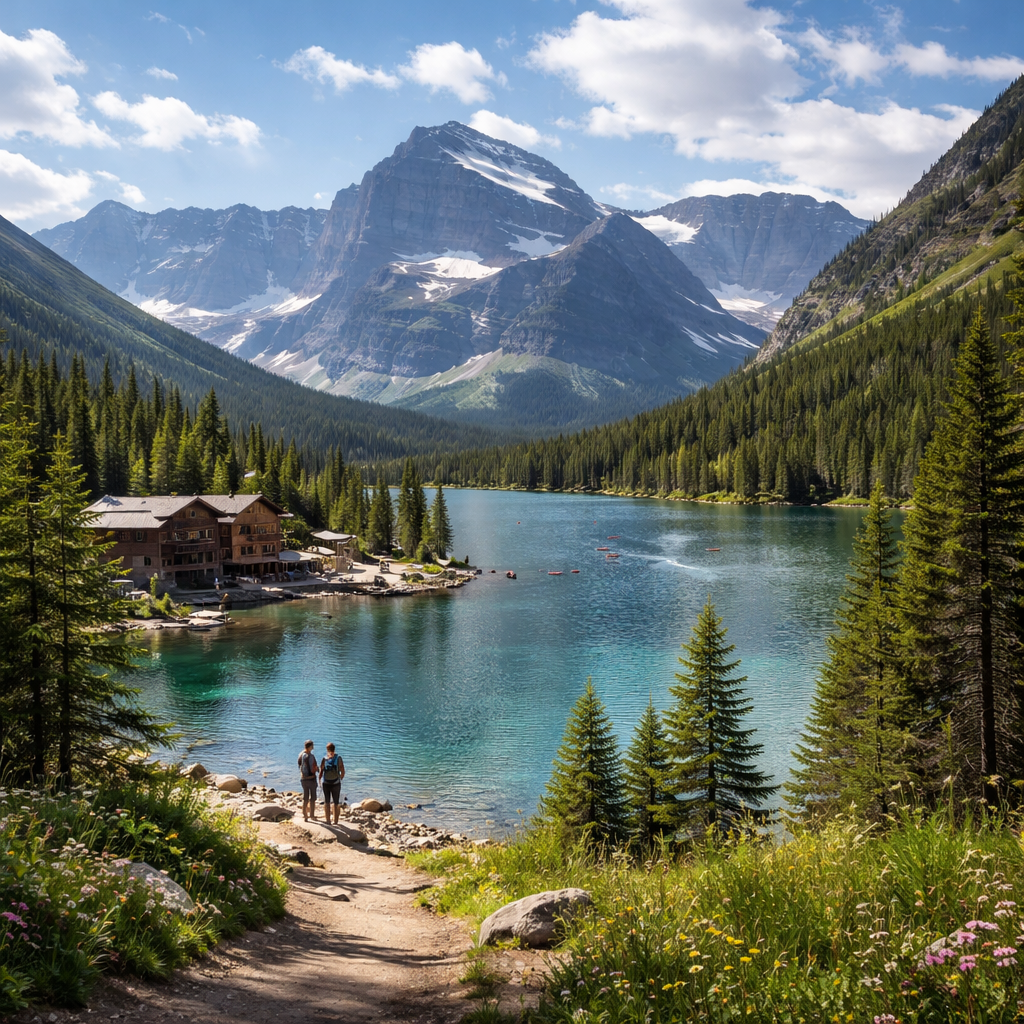
Spanning over a million acres, the park is a tapestry of diverse ecosystems, ranging from lush forests to alpine tundra. Towering peaks like Grinnell Point and Mount Cleveland dominate the skyline, while shimmering glacial lakes, such as Lake McDonald, reflect the vibrant hues of the surrounding wilderness. The air is crisp and invigorating, infused with the scent of pine and wildflowers. As you traverse the winding roads and trails, you’ll encounter cascading waterfalls, expansive meadows, and the occasional glimpse of wildlife, including elk, mountain goats, and even the elusive grizzly bear.
Distinctive Features of the Region
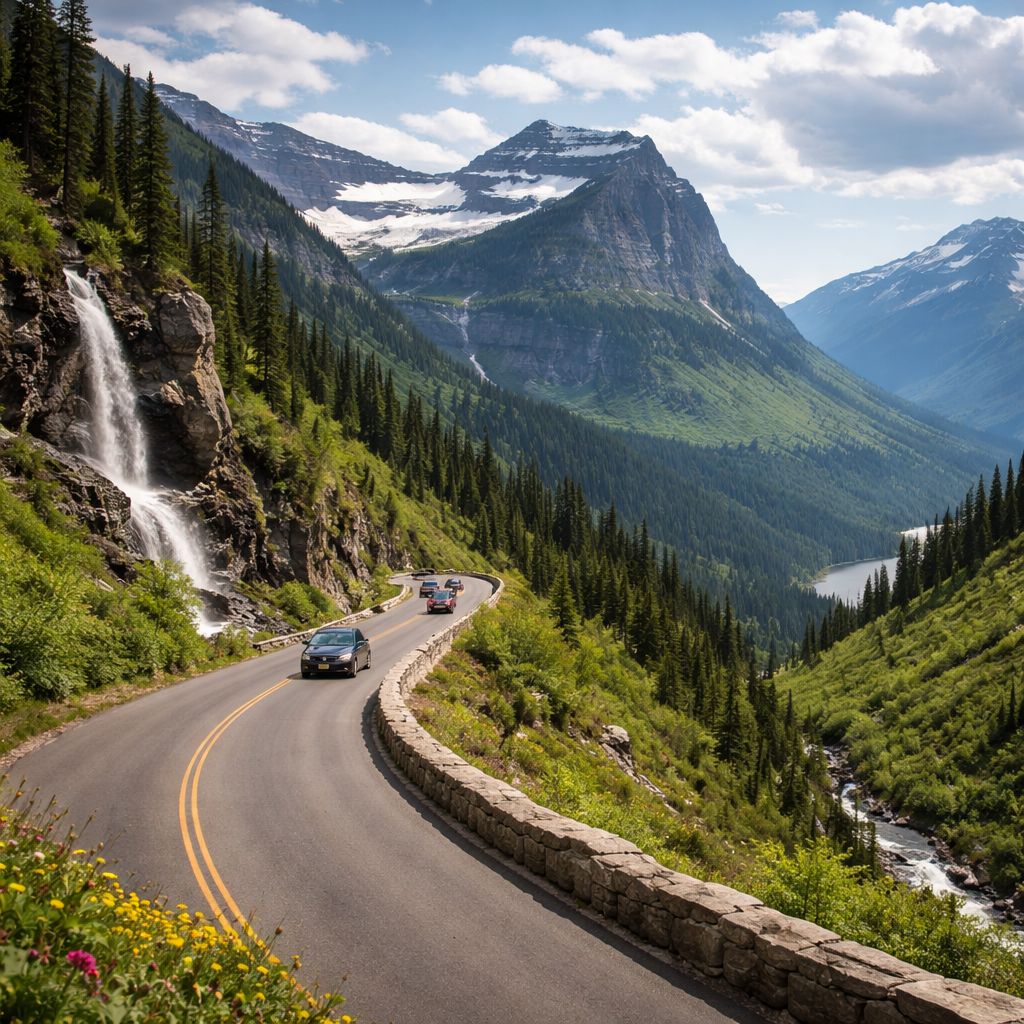
What sets this park apart is not just its breathtaking scenery but also its unique ecological diversity. Home to over 700 species of animals and countless plant varieties, it serves as a living laboratory for scientists and nature enthusiasts alike. The park is renowned for its historic Going-to-the-Sun Road, a marvel of engineering that offers panoramic views of the surrounding peaks and valleys. This scenic drive is not merely a route but an experience, winding through the heart of the park and providing access to some of its most iconic sights.
Experiences and Highlights
Visitors can immerse themselves in a plethora of experiences, each more enchanting than the last. The park's extensive trail system offers hikes for every skill level, from leisurely strolls along the shores of Lake McDonald to challenging treks leading to hidden alpine lakes. For the adventurous, guided ranger-led programs provide insights into the park's geology, flora, and fauna, enriching the experience with stories of the land's history.
- Wildflower Viewing: Late spring to early summer bursts with color as wildflowers blanket the meadows, creating a painter's palette of hues.
- Wildlife Watching: Early mornings and late evenings are prime times to spot animals, especially around the Many Glacier area.
- Stargazing: With minimal light pollution, the park offers some of the darkest skies in the continental U.S., perfect for stargazers.
Cultural Significance
Beyond its natural allure, the park is a testament to the enduring relationship between humans and nature. The Blackfeet Nation continues to share their culture through storytelling, art, and guided tours, offering visitors a glimpse into the spiritual significance of the land. This connection between the land and its original inhabitants emphasizes the importance of conservation and respect for nature, a message that resonates deeply in today’s environmental discussions.
Seasonal Considerations and Best Time to Visit
While Glacier National Park is a year-round destination, each season offers a distinct experience. Summer (June to September) is the most popular time, with all facilities open and trails accessible. Fall (late September to early October) showcases vibrant foliage and fewer crowds, while winter transforms the landscape into a snowy wonderland, attracting cross-country skiers and snowshoers. Spring (May to early June) is a time of renewal, with wildflowers beginning to bloom and wildlife emerging from hibernation.
Visitor Insights and Travel Considerations
Planning a visit requires some foresight, particularly regarding accommodations and park access. Reservations are recommended, especially during peak summer months. The park's remote location means that amenities are limited, so visitors should come prepared with supplies, particularly if venturing into backcountry areas. A park pass is required for entry, and visitors should familiarize themselves with park regulations to ensure a safe and enjoyable experience.
As you wander through this natural wonder, take a moment to pause and reflect. The air is filled with the sounds of rustling leaves, distant waterfalls, and the whisper of the wind against the mountains. Here, in the heart of Glacier National Park, one truly understands the grandeur of nature and the importance of preserving such beauty for generations to come.