Yellowstone National Park
Exploring Yellowstone National Park: A Journey Through Nature's Masterpiece
Origins and Historical Significance
Established in 1872, Yellowstone National Park holds the title of the first national park in the United States and, indeed, the world. Its creation was a groundbreaking moment in conservation history, spurred by the visionary efforts of figures like President Ulysses S. Grant and naturalist John Muir. This vast expanse of wilderness is not merely a collection of stunning landscapes; it is a living testament to the preservation of America’s natural heritage. The park sits atop a supervolcano, a geological marvel that has shaped its unique ecosystem and breathtaking features over millennia.
Geographic Setting and Environmental Character
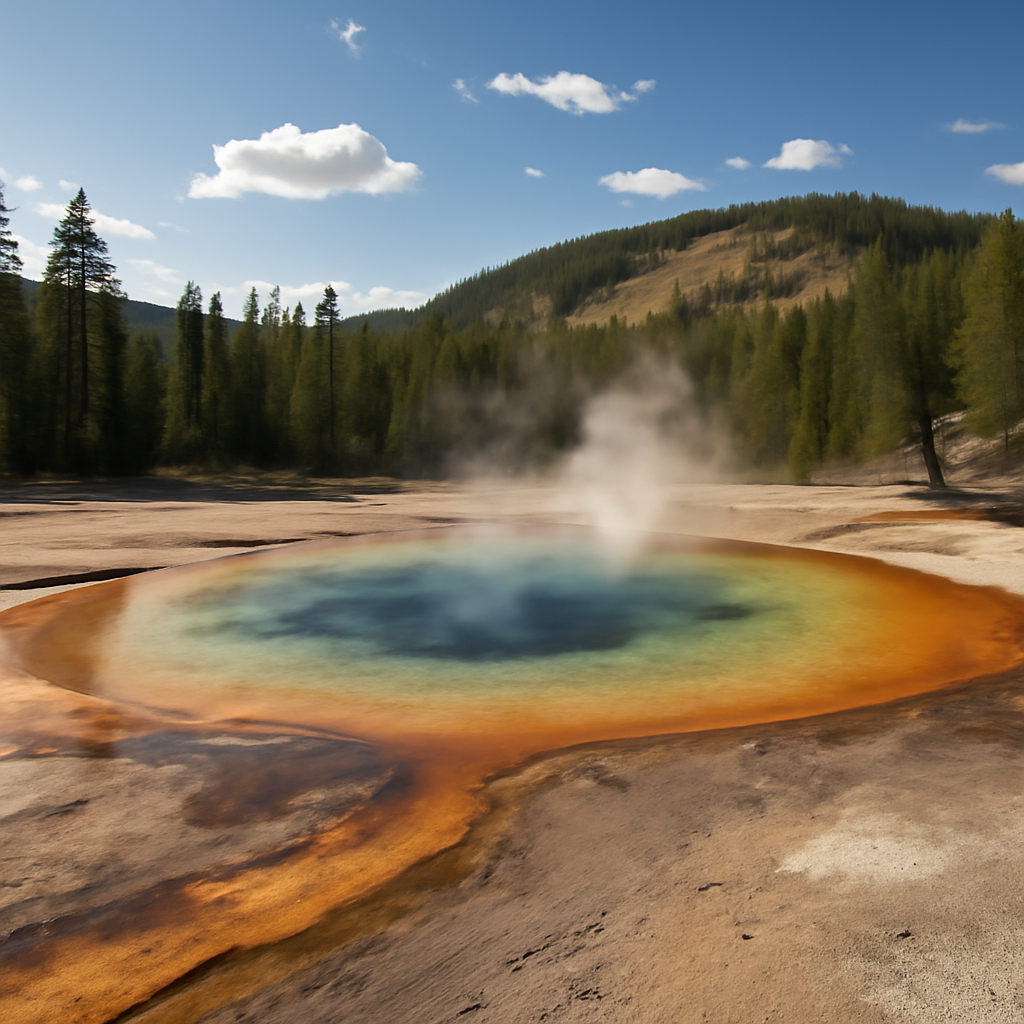
Located primarily in Wyoming, with small portions in Montana and Idaho, the park sprawls across 3,472 square miles of rugged terrain. Its geography is a tapestry of towering mountains, lush forests, and expansive meadows, interwoven with rivers and lakes. The iconic Yellowstone Lake, one of the largest high-elevation lakes in North America, mirrors the sky and is surrounded by the imposing peaks of the Absaroka Range. The park's geothermal features, including the famous Old Faithful geyser and the vibrant Grand Prismatic Spring, create a landscape that feels otherworldly, as steam rises from the earth, and colors dance in the sunlight.
Distinctiveness Within the Region
Yellowstone's significance extends beyond its boundaries, forming a critical part of the Greater Yellowstone Ecosystem, which is one of the largest intact temperate ecosystems in the world. The park is home to an astonishing diversity of wildlife, including bison, elk, wolves, and grizzly bears, making it a vital sanctuary for these species. The presence of such wildlife in their natural habitat offers visitors a rare glimpse into the raw beauty of nature and the delicate balance of life that thrives here.
Experiences and Highlights
Visiting this national treasure is an immersive experience that engages all the senses. The sound of rushing water from the Yellowstone River, the sight of a bison grazing peacefully, and the scent of pine trees enveloping you as you hike through the trails create an unforgettable atmosphere. Popular activities include:
- Wildlife Watching: Early morning or dusk is the best time to spot animals. The Lamar Valley is particularly renowned for its wildlife sightings.
- Hiking: Trails range from easy walks to challenging hikes. The Fairy Falls Trail leads to stunning views of the Grand Prismatic Spring, while the more strenuous Mount Washburn Trail offers panoramic vistas.
- Geothermal Wonders: Witness the eruption of Old Faithful, and explore the colorful pools of the Midway Geyser Basin, each telling a story of the earth’s fiery heart.
- Camping and Stargazing: Spend a night under the stars at one of the park's campgrounds, where the absence of city lights reveals a brilliant celestial display.
Cultural Significance
Yellowstone is not just a natural wonder; it holds cultural significance for many Indigenous tribes, including the Shoshone, Crow, and Nez Perce. These communities have deep-rooted connections to the land, viewing it as sacred. Their stories and traditions are woven into the fabric of the park, reminding visitors of the rich tapestry of human history that coexists with the natural world.
Seasonal Considerations and Best Time to Visit
The park transforms dramatically with the seasons. Summer (June to August) is the most popular time to visit, offering warm weather and full access to park facilities. However, the shoulder seasons of spring (April to June) and fall (September to October) provide a more tranquil experience, with fewer crowds and vibrant foliage. Winter (December to March) presents a different kind of beauty, as snow blankets the landscape, and winter sports enthusiasts can explore the park via snowshoeing or cross-country skiing.
Visitor Insights and Travel Considerations
Planning a visit requires some forethought. Be prepared for changing weather conditions, dress in layers, and carry plenty of water and snacks. The park's vastness means that distances between attractions can be significant, so consider allocating ample time to explore. Also, keep in mind that wildlife encounters can be unpredictable; maintaining a safe distance is crucial for both your safety and the animals' well-being.
Whether you are drawn by the allure of adventure, the call of nature, or the rich history that permeates the air, a journey through this national park promises to be a transformative experience, one that resonates long after you leave its borders.