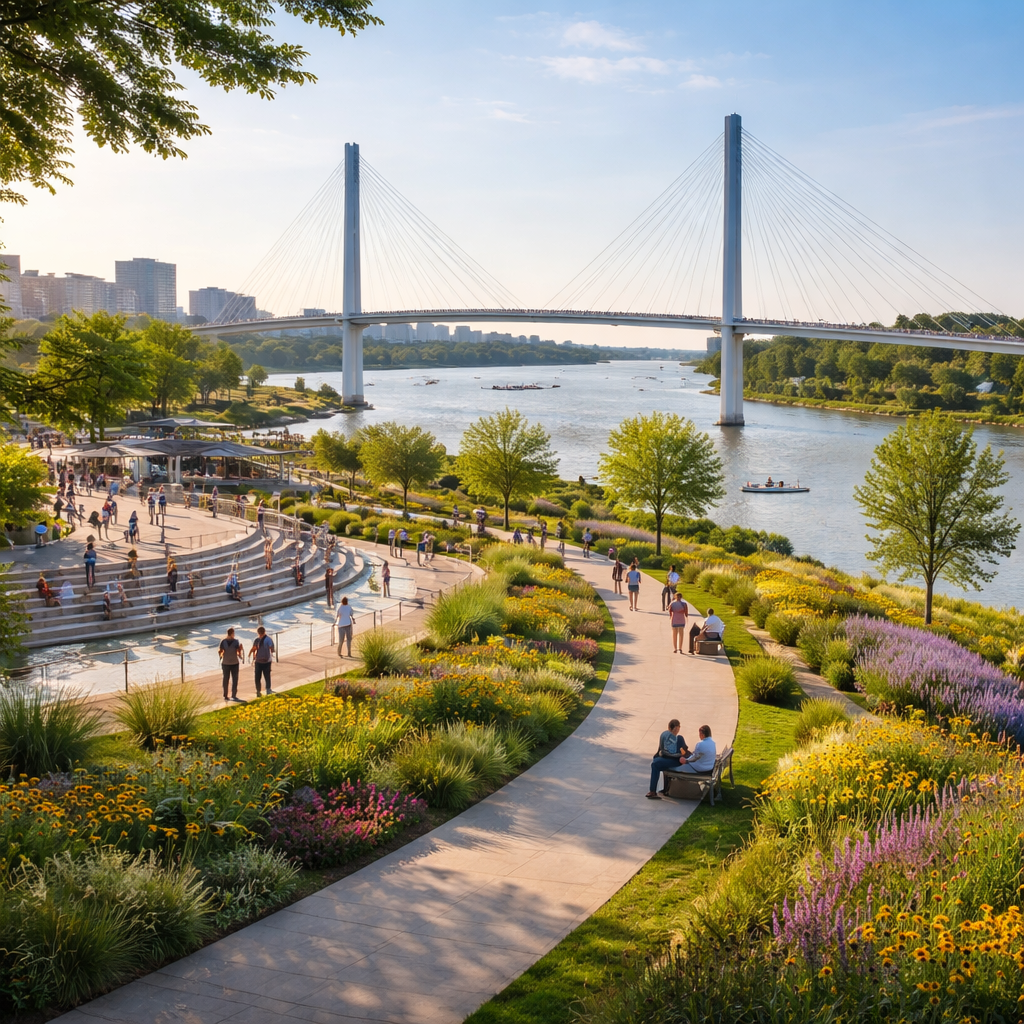
Henry Doorly Zoo and Aquarium
Exploring the Wonders of Henry Doorly Zoo and Aquarium
Origins and Historical Background
Located in the heart of Omaha, Nebraska, the Henry Doorly Zoo and Aquarium has evolved from its humble beginnings in 1894. Originally established as a small city park zoo, it has grown into one of the most acclaimed zoological parks in the world. The vision of Omaha’s leaders, including philanthropist Henry Doorly, was to create a sanctuary that not only showcased animals but also emphasized conservation, education, and research. This commitment to wildlife preservation and environmental stewardship is evident in every corner of the zoo, making it a significant player in global conservation efforts.
Geographic Setting and Architectural Character
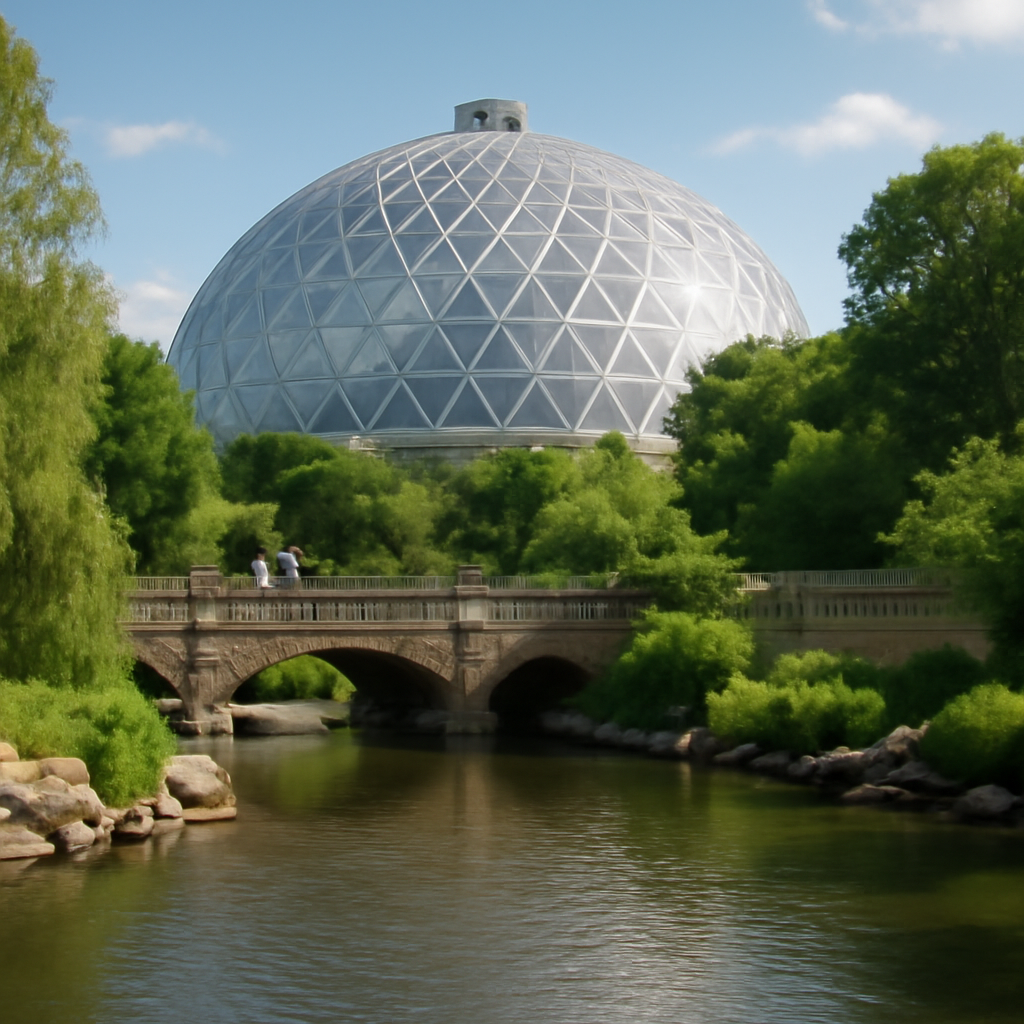
Nestled within Omaha’s picturesque Lauritzen Gardens, the zoo spans over 130 acres, blending seamlessly with the natural landscape. The architecture is a harmonious mix of innovative design and environmental sustainability. The stunning Desert Dome, the world’s largest indoor desert, and the impressive Lied Jungle, an indoor rainforest teeming with exotic flora and fauna, set the stage for an immersive experience. Each exhibit is thoughtfully crafted to mimic the animals' natural habitats, allowing visitors to feel as though they’ve traveled to distant corners of the globe.
Distinct Features of the Zoo
What truly distinguishes this zoo from others is its unwavering commitment to animal welfare and conservation. The zoo is home to over 17,000 animals representing more than 962 species, many of which are endangered. The interactive experiences, such as the opportunity to feed giraffes or watch sea lions during their daily training sessions, create memorable connections between guests and wildlife. The aquarium, featuring a stunning 70-foot-long shark tunnel, provides a unique glimpse into the underwater world, captivating visitors of all ages.
Experiences and Highlights
- Desert Dome: Step into a world where the sun shines bright on a variety of desert ecosystems, showcasing creatures like the fennec fox and the elusive sand cat.
- Lied Jungle: Wander through a lush rainforest, complete with cascading waterfalls and exotic birds flying overhead, all while learning about the delicate balance of tropical ecosystems.
- Omaha’s Aquarium: Dive into the depths of the ocean and marvel at the vibrant marine life, including colorful coral reefs and playful otters.
- Wildlife Encounters: Engage with the animals through scheduled feeding sessions and animal talks, providing a deeper understanding of their behaviors and habitats.
Cultural and Regional Significance
The zoo not only serves as a destination for family outings but also plays a pivotal role in the community and beyond. It collaborates with local schools for educational programs and contributes to regional conservation initiatives. The zoo’s research efforts extend globally, focusing on breeding programs for endangered species and habitat restoration projects. This commitment to education and conservation aligns with Omaha's cultural values, fostering a sense of responsibility toward the environment among residents and visitors alike.
Seasonal Considerations and Best Time to Visit
While the zoo is open year-round, the best time to visit is during the spring and fall months when temperatures are mild, and the animals are most active. Spring brings blooming flowers and the birth of new animals, while fall offers a stunning backdrop of changing leaves. Summer can be hot, but the indoor exhibits provide a cool respite. Winter visits, though less popular, allow for a unique experience as some animals thrive in the cold and the holiday decorations create a magical atmosphere.
Visitor Insights and Travel Considerations
To make the most of your visit, consider arriving early to avoid crowds and maximize your time exploring the expansive grounds. Wear comfortable shoes, as the zoo is best experienced on foot, and don’t forget to bring a camera to capture the unforgettable moments. Dining options abound, from casual eateries to picnic areas, offering a chance to refuel during your adventure. For families, the zoo provides stroller rentals and child-friendly activities, ensuring a fun and accessible experience for all ages.