Las Vegas Strip
Exploring the Las Vegas Strip: A Journey Through Lights and Dreams
Origins of the Strip
The Las Vegas Strip, a vibrant ribbon of neon and ambition, has evolved from a desert oasis into one of the most iconic entertainment destinations in the world. Its origins trace back to the early 20th century when the area was merely a stopover for travelers. However, it was the post-World War II era that ignited its transformation. The legalization of gambling in Nevada in 1931 set the stage for a burgeoning industry, but it was the construction of the first luxury hotel-casino, the Flamingo, by mobster Bugsy Siegel in 1946 that truly marked the beginning of the Strip as we know it today.
Geographic and Architectural Character
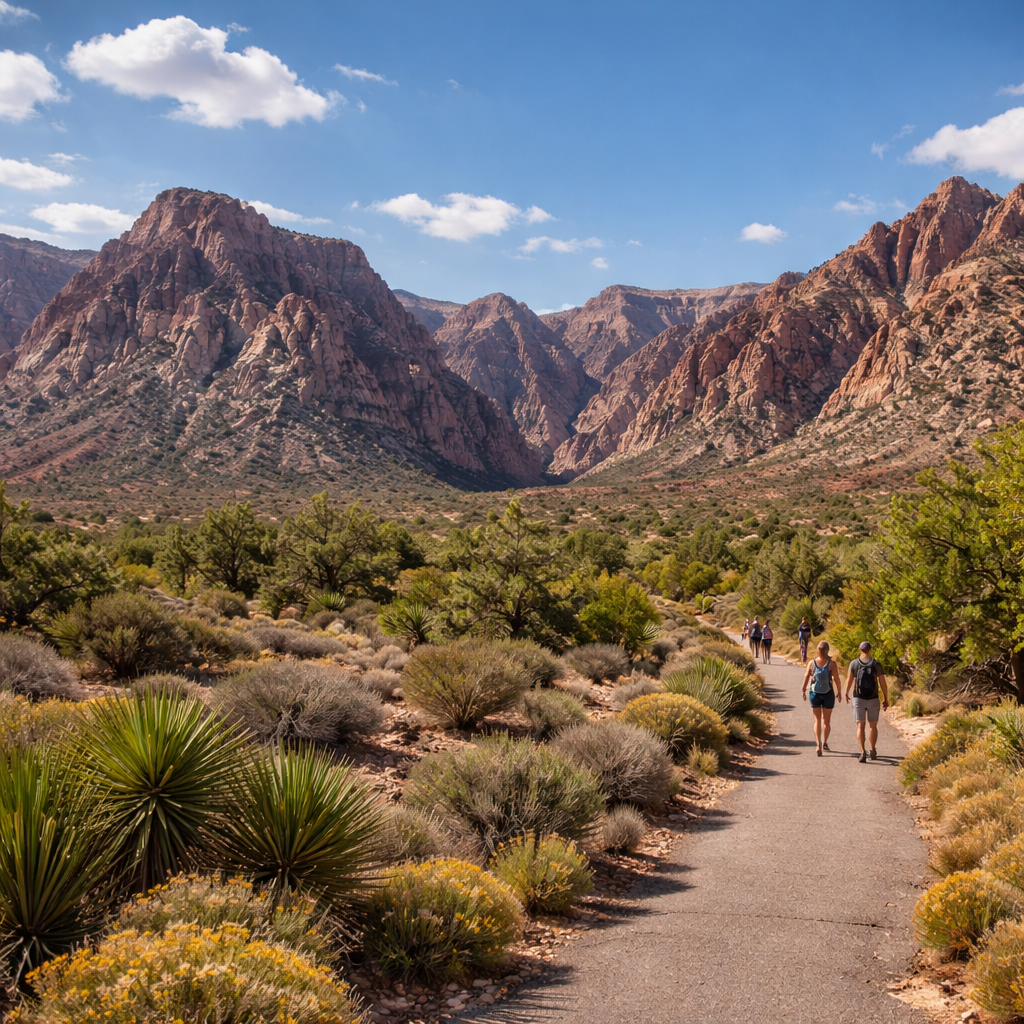
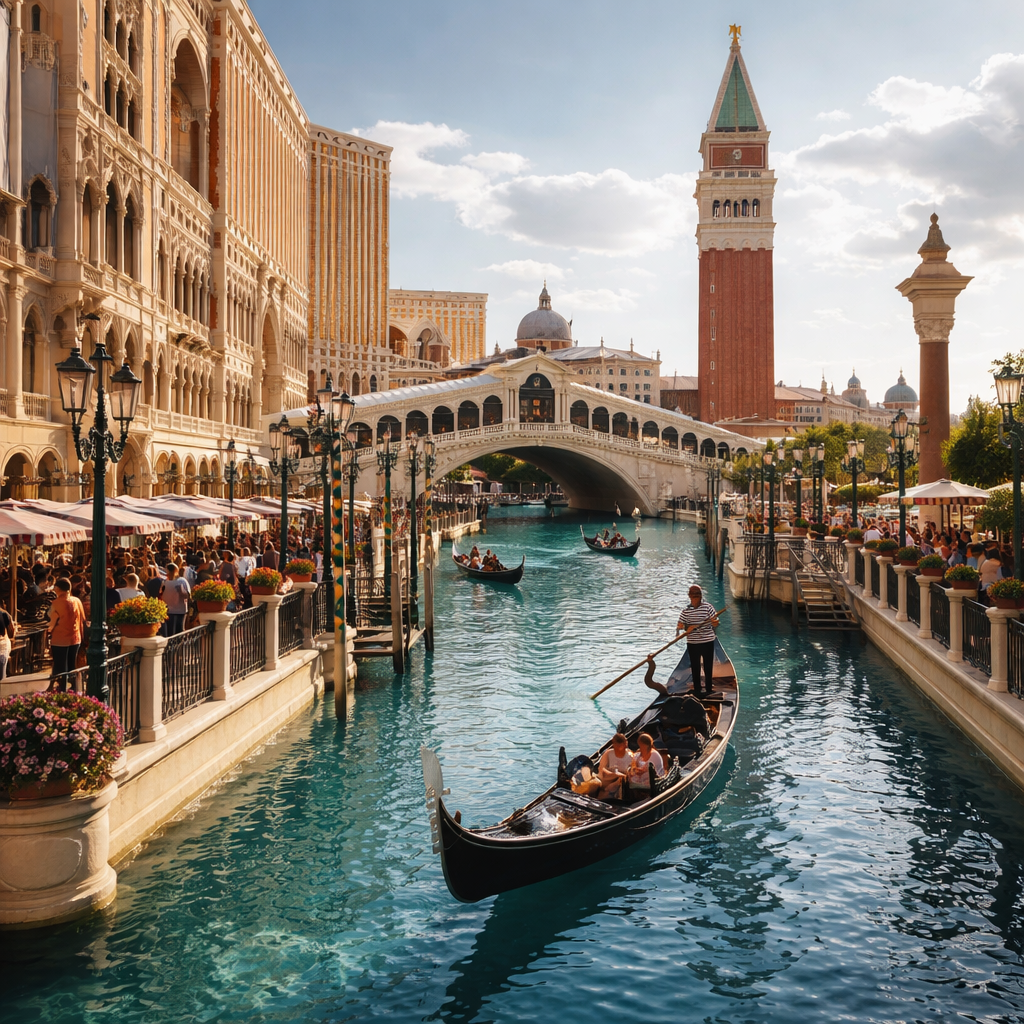
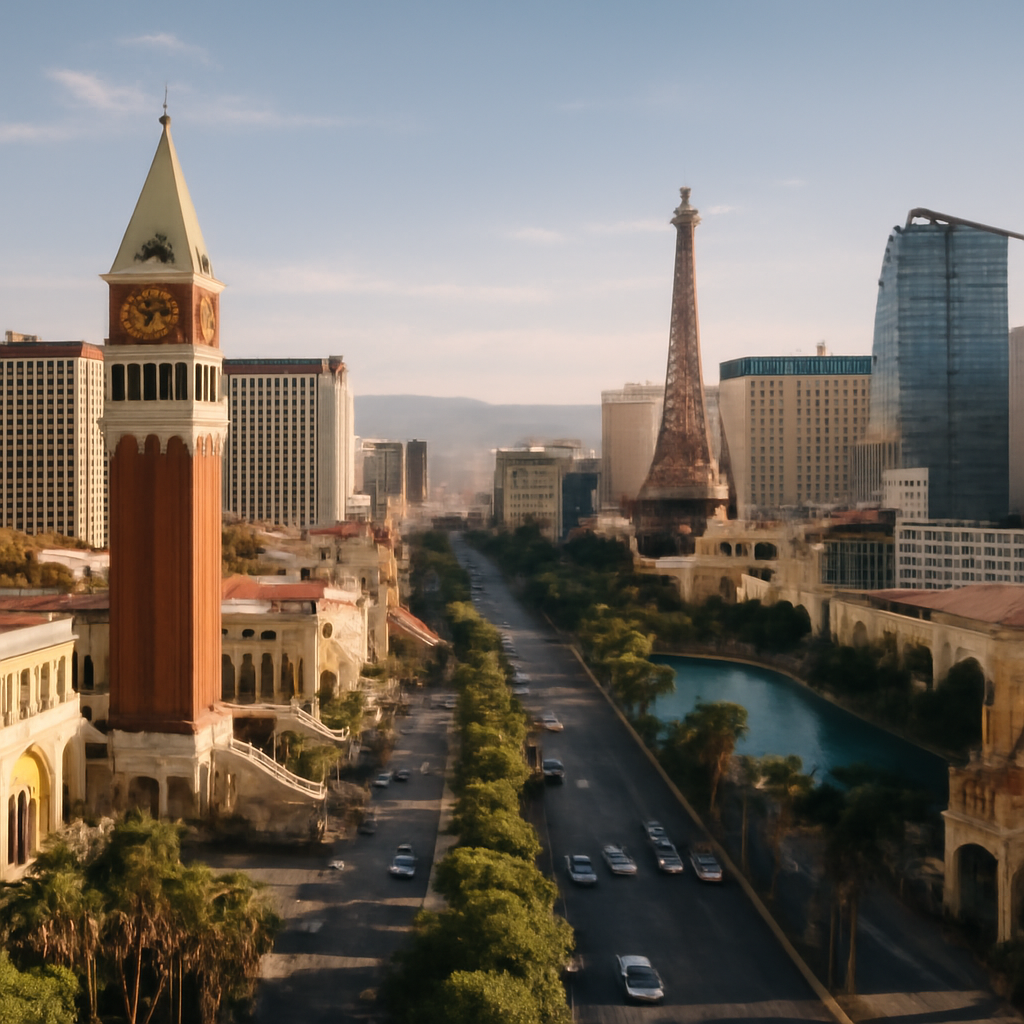
Stretching approximately 4.2 miles along Las Vegas Boulevard South, the Strip is a dazzling spectacle framed by the stark beauty of the Mojave Desert. The juxtaposition of modern skyscrapers and opulent resorts against the rugged desert landscape creates a surreal environment. Each hotel and casino is a world unto itself, showcasing a unique architectural style that ranges from the romantic canals of Venice at The Venetian to the majestic pyramids of Luxor. This eclectic mix of designs not only defines the skyline but also reflects the city’s ethos of excess and creativity.
Distinctive Features of the Strip
What sets this destination apart is its ability to encapsulate a myriad of experiences within a single stretch. The Strip is not just a collection of casinos; it is a vibrant tapestry of culture, entertainment, and culinary delights. Here, you can witness breathtaking performances like Cirque du Soleil, indulge in gourmet dining crafted by world-renowned chefs, or simply stroll through the enchanting Bellagio Conservatory & Botanical Gardens, where nature meets artistry in seasonal displays.
Experiences Awaiting Visitors
- Casino Culture: The allure of gaming is palpable, with each casino offering its own unique atmosphere. From high-stakes poker rooms to bustling slot machine floors, the thrill of chance is a central theme.
- World-Class Entertainment: The Strip is home to some of the most extravagant shows on earth. Whether it’s a concert by a global superstar or a mesmerizing magic act, entertainment options are as diverse as they are plentiful.
- Culinary Adventures: Foodies will find joy in the Strip’s culinary scene, featuring everything from lavish buffets to Michelin-starred restaurants. Each meal is an opportunity to savor flavors from around the globe.
- Shopping Extravaganza: High-end boutiques and designer stores line the Strip, making it a shopper’s paradise. The Forum Shops at Caesars Palace and the Grand Canal Shoppes are must-visit destinations for retail therapy.
- Nightlife and Bars: As the sun sets, the Strip transforms into a playground for nightlife enthusiasts. Trendy nightclubs, rooftop lounges, and vibrant bars offer a plethora of options for revelers.
Cultural Significance
Beyond the glitz and glamour, the Strip serves as a microcosm of American culture, reflecting the nation’s fascination with excess, entertainment, and escapism. It is a place where dreams are chased, and stories are created. The Strip has also become a hub for cultural events, hosting festivals, art shows, and conferences that attract visitors from around the globe, further solidifying its role as a cultural beacon in the heart of the desert.
Seasonal Considerations
While the Strip is a year-round destination, the best time to visit is during the spring and fall months when temperatures are mild, making outdoor activities more enjoyable. Summer can be scorching, with temperatures soaring above 100°F, but the vibrant nightlife and pool parties provide a refreshing escape. Winter brings a unique charm, as holiday decorations adorn the resorts, creating a magical atmosphere amidst the hustle and bustle.
Visitor Insights
When planning a visit, consider the importance of hydration, especially in the arid climate. Comfortable footwear is essential for exploring the vast expanse of the Strip, as many attractions are best experienced on foot. Additionally, booking accommodations in advance can help secure better rates, particularly during peak tourist seasons or major events.
Ultimately, the Las Vegas Strip is more than just a destination; it’s a phenomenon that invites exploration and celebration. Each visit offers a new chapter in a story that continues to unfold, making it a must-see for anyone seeking adventure, excitement, and a touch of the extraordinary.