Valley of Fire State Park
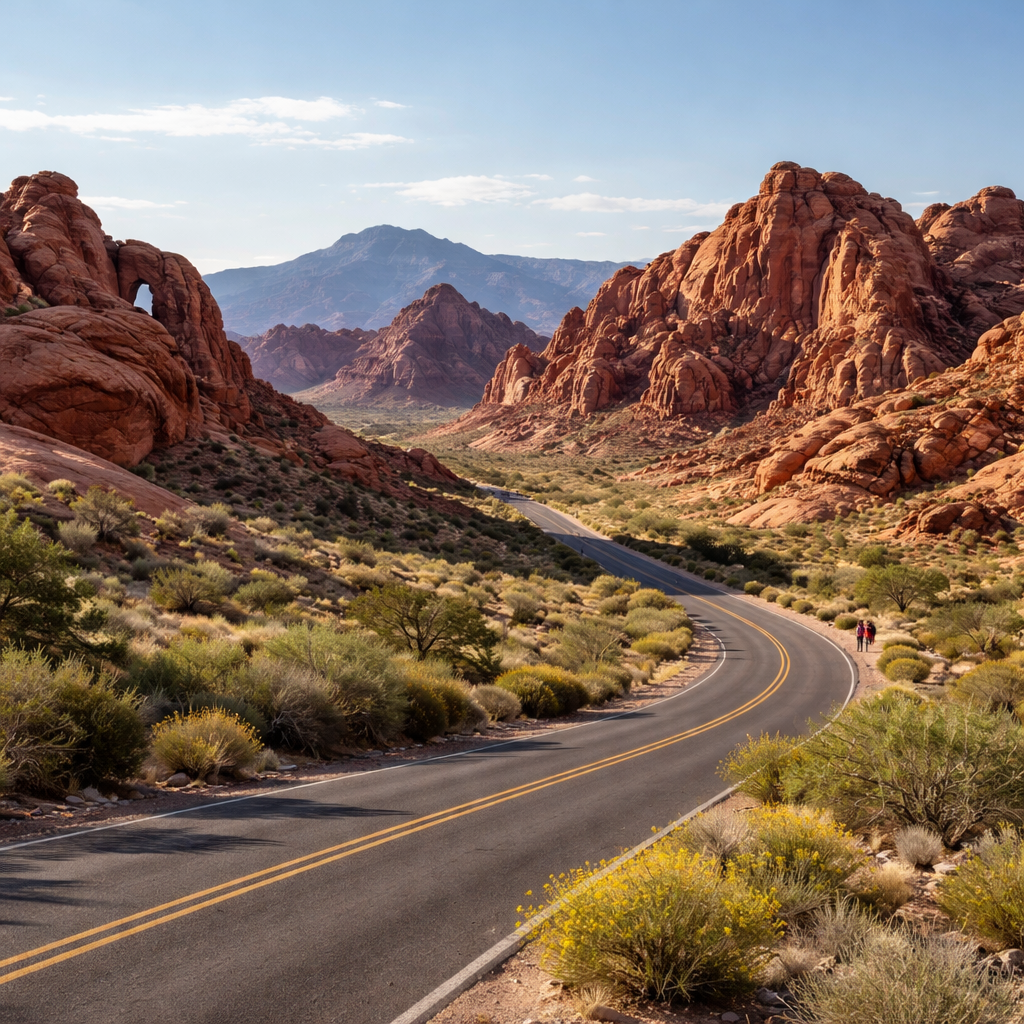
Valley of Fire State Park: A Journey Through Time and Nature
Nestled in the arid landscape of southern Nevada, just a short drive from the bustling city of Las Vegas, the Valley of Fire State Park beckons with its stunning red rock formations and rich tapestry of history. This captivating destination, established in 1935, is the oldest state park in Nevada and showcases a unique blend of natural beauty and cultural significance.
Origins and Historical Background
The Valley of Fire derives its name from the fiery hues of its sandstone formations, which glow vibrantly under the sun, creating an otherworldly landscape that has captivated visitors for generations. The park's geological history dates back over 150 million years, when the area was a vast desert environment. Over time, shifting tectonic plates and erosional forces sculpted the striking formations we see today, including the famous Fire Wave and Elephant Rock.
But the valley's history extends beyond its geology. The region was once home to ancient Native American tribes, including the Anasazi and the Southern Paiutes, who left their mark in the form of petroglyphs etched into the rock faces. These symbols tell stories of their lives, beliefs, and the natural world around them, offering a glimpse into a rich cultural heritage that continues to resonate today.
Geographic Setting and Environmental Character
Spanning over 46,000 acres, the park is characterized by its dramatic landscapes, where vibrant reds and oranges contrast sharply with the deep blue sky. The unique rock formations are not just visually stunning; they also create a complex ecosystem that supports a variety of flora and fauna adapted to the harsh desert environment. Visitors can explore the park's diverse habitats, from the rugged canyons to the open desert, each offering a unique perspective on this breathtaking landscape.
Distinct Features of the Valley of Fire
What sets this state park apart from others in the region is its striking geological features and rich cultural history. The park is home to some of the most photographed rock formations in the world, including the iconic Wave, a mesmerizing ripple of rock that draws photographers and nature lovers alike. Additionally, the park's petroglyphs, found along the Mouse's Tank Trail, provide a tangible connection to the area's ancient inhabitants, making it a place of both natural and historical significance.
Experiences and Highlights
- Hiking: With over 30 miles of trails, the park offers a range of hiking experiences suitable for all skill levels. The easy, one-mile round trip to the Fire Wave is a must for its stunning views, while the more challenging White Domes Loop rewards adventurers with breathtaking vistas and unique rock formations.
- Photography: The Valley of Fire is a photographer's paradise. Sunrise and sunset illuminate the rocks in brilliant shades of red and orange, creating a magical atmosphere. The park's diverse landscapes provide endless opportunities for capturing nature's artistry.
- Wildlife Viewing: Keep an eye out for the park's diverse inhabitants, including desert bighorn sheep, coyotes, and a variety of bird species. The quieter moments in nature allow for a deeper connection to the land and its wildlife.
- Camping: For those looking to immerse themselves in the park's beauty, the campgrounds provide an opportunity to sleep under the stars and experience the tranquility of the desert night.
Cultural Significance
The Valley of Fire is not just a natural wonder; it is a site of cultural importance. The ancient petroglyphs serve as a reminder of the rich history of the indigenous peoples who once roamed this land. Today, the park is a place of reflection and education, where visitors can learn about the cultural heritage of the region and the ongoing connection between the land and its original inhabitants.
Seasonal Considerations and Best Time to Visit
The best time to explore the Valley of Fire is during the cooler months, from October to April. During this period, temperatures are more moderate, making outdoor activities more enjoyable. The spring months also bring wildflowers that add a splash of color to the desert landscape. Summer, while hot, offers unique opportunities for night sky viewing, as the clear desert skies become a canvas for stargazing.
Visitor Insights and Travel Considerations
When planning a visit, be sure to bring plenty of water, sunscreen, and appropriate footwear for hiking. The park's remote location means that amenities are limited, so packing snacks and a picnic can enhance your experience. Additionally, consider visiting during weekdays to avoid crowds, allowing for a more intimate connection with the park's natural beauty.
As you wander through the Valley of Fire, take a moment to pause and absorb the sights and sounds of this extraordinary landscape. Whether you're hiking through its canyons, photographing its vibrant rock formations, or contemplating the ancient stories etched in stone, the Valley of Fire offers a profound experience that resonates long after you leave.