Mount Washington
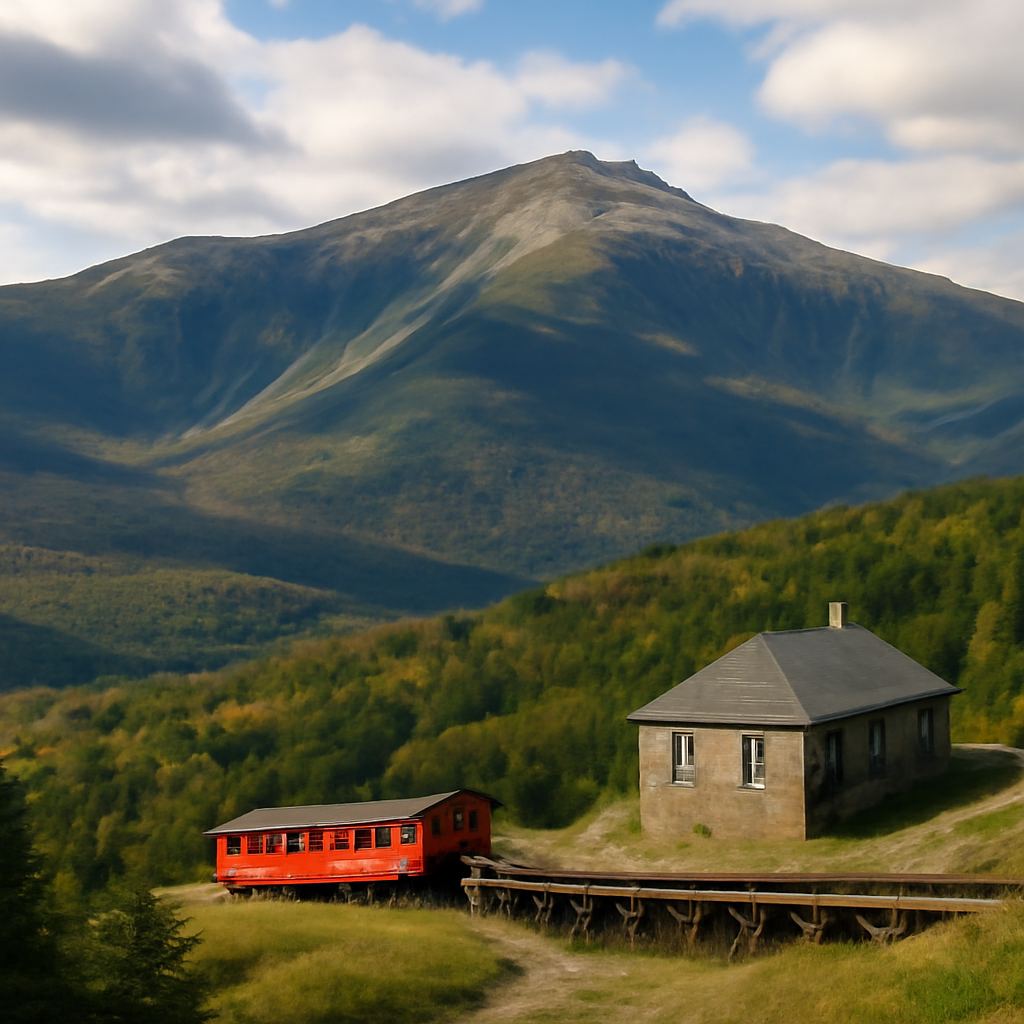
Discovering Mount Washington: A Journey Through Nature's Majesty
Origins and Historical Background
Mount Washington, the highest peak in the Northeastern United States, stands as a sentinel over New Hampshire’s White Mountains, with an elevation of 6,288 feet. Its name, derived from the first president of the United States, reflects both its grandeur and historical significance. The mountain has long been a site of fascination and reverence, first for the Indigenous peoples who inhabited the region and later for explorers and settlers drawn to its rugged beauty.
The mountain's formidable weather conditions have shaped its history, with records noting some of the highest wind speeds ever recorded on Earth. The Mount Washington Observatory, established in 1932, continues to study these meteorological phenomena, offering visitors a glimpse into the extreme nature of this environment. The mountain has also played a pivotal role in the development of American mountaineering, with its trails and roads drawing adventurers since the mid-19th century.
Geographic Setting and Environmental Character
Nestled within the White Mountain National Forest, Mount Washington is surrounded by a dramatic landscape of granite peaks, deep valleys, and lush forests. The mountain's craggy summit is often shrouded in clouds, creating an ethereal atmosphere that changes with the seasons. Visitors can experience a diverse range of ecosystems, from the vibrant foliage of the deciduous forests in the spring and summer to the stark, icy beauty of the alpine tundra in winter.
The area is characterized by its rugged terrain, with steep ascents and breathtaking vistas that reward those who venture into its embrace. The iconic Auto Road and the cog railway provide unique access to the summit, allowing visitors to experience the mountain's grandeur without needing to hike the extensive trails.
Distinct Features of Mount Washington
What sets this mountain apart is not just its height but its unpredictable weather and breathtaking views. On a clear day, the summit offers panoramic vistas of the surrounding peaks and valleys, with the Appalachian Trail weaving through the landscape. The mountain is also home to unique flora and fauna, including rare alpine plants that thrive in the harsh conditions.
For adventurers, the mountain presents a variety of challenges. The numerous hiking trails cater to all skill levels, from leisurely walks to strenuous climbs. The Tuckerman Ravine Trail, for instance, is a popular choice for those seeking a more challenging ascent, while the shorter, family-friendly trails offer a gentler introduction to the mountain's beauty.
Experiences and Highlights
Visitors to Mount Washington can expect a range of experiences that cater to nature lovers and thrill-seekers alike. In the warmer months, hiking, biking, and wildlife watching are popular activities. The mountain is alive with the sounds of chirping birds and rustling leaves, creating a serene backdrop for exploration.
During the winter, the area transforms into a snowy wonderland, attracting skiers and snowboarders to its slopes. The famous Tuckerman Ravine, known for its steep, challenging terrain, becomes a hub for winter sports enthusiasts, while others may prefer snowshoeing or cross-country skiing through the tranquil woods.
For those interested in the scientific aspects, the Mount Washington Observatory offers tours and educational programs that delve into the mountain's meteorological significance. Visitors can learn about the extreme conditions that define this environment and the ongoing research being conducted to understand it better.
Cultural and Regional Significance
Mount Washington is not just a natural wonder; it is a cultural icon for New Hampshire and the broader New England region. The mountain has inspired countless artists, writers, and photographers who have sought to capture its dramatic beauty. It serves as a backdrop for local folklore and traditions, including the annual “Mount Washington Road Race,” which draws runners from across the country.
The mountain's significance extends beyond recreation; it also plays a vital role in the local economy, attracting tourists year-round. The surrounding towns, such as North Conway and Gorham, have developed vibrant communities that celebrate the outdoor lifestyle and offer a warm welcome to visitors.
Seasonal Considerations and Best Time to Visit
The best time to visit Mount Washington largely depends on the type of experience you seek. Spring and summer are ideal for hiking and enjoying the lush landscapes, with wildflowers blooming and wildlife active. Fall brings a stunning display of foliage, making it a favorite for photographers and leaf-peepers alike.
Winter, while harsh, offers a unique beauty and a chance for winter sports enthusiasts to enjoy the mountain's slopes. However, visitors should be prepared for rapid weather changes and should check conditions before embarking on any adventures.
Helpful Visitor Insights
When planning a visit, it’s essential to dress in layers, as temperatures can fluctuate dramatically between the base and summit. Adequate preparation is key, especially for those intending to hike. Always carry sufficient water, snacks, and a map, and inform someone of your plans before heading out.
Whether you’re drawn by the thrill of adventure, the serenity of nature, or the rich history, a visit to this majestic peak promises an experience that resonates long after the journey ends. Embrace the spirit of exploration and discover what makes this destination a cherished gem in the heart of New Hampshire.