White Mountain National Forest
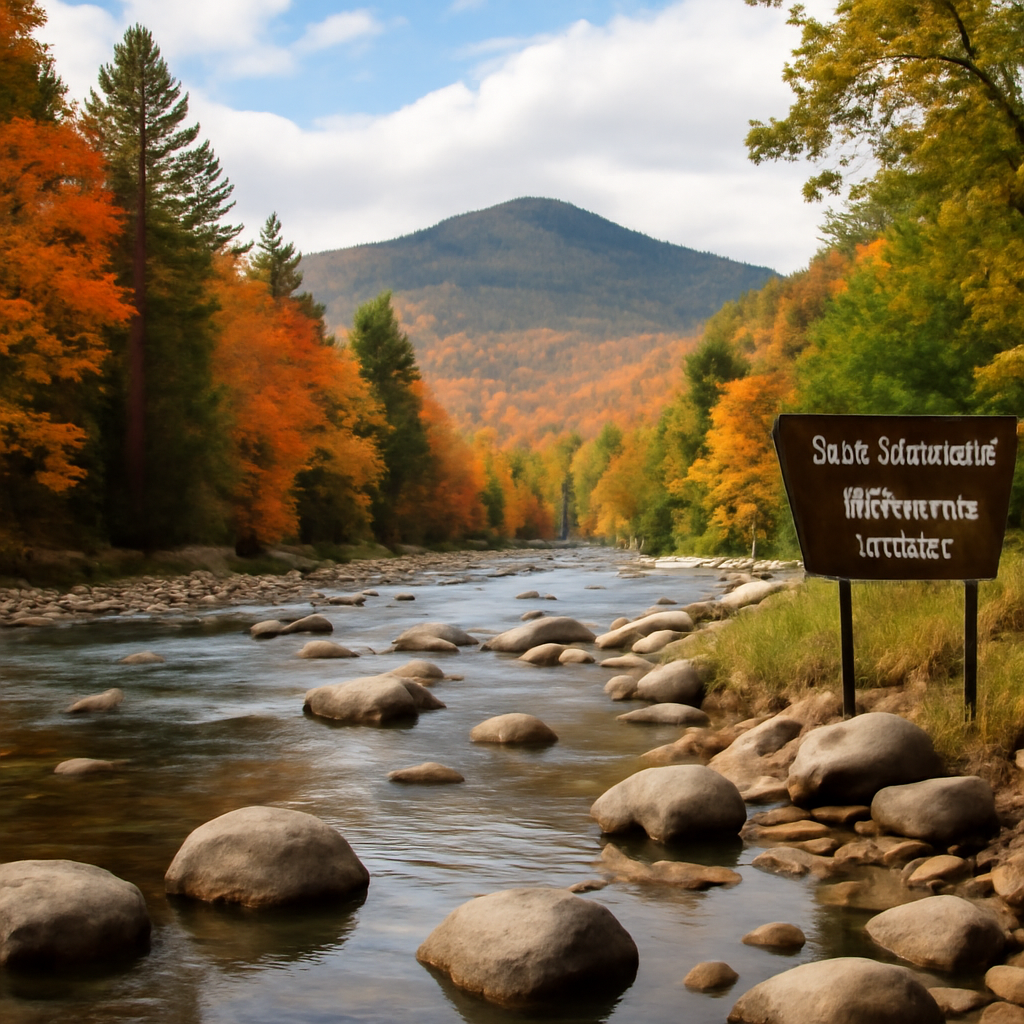
Exploring White Mountain National Forest
Nestled in the heart of New Hampshire, White Mountain National Forest stands as a testament to nature’s grandeur and the rich history of the region. Spanning over 800,000 acres, this expansive forest is a sanctuary for outdoor enthusiasts and a haven for those seeking tranquility amidst breathtaking landscapes. The forest’s towering peaks, lush valleys, and vibrant ecosystems invite visitors to immerse themselves in a world where the beauty of nature reigns supreme.
Historical Context and Origins
The origins of White Mountain National Forest are deeply intertwined with the cultural and natural history of New England. Established in 1918, the forest was created in response to the rapid deforestation that had taken place in the 19th century due to logging and industrialization. The area had long been a source of inspiration and solace for Native American tribes, who revered the mountains and their resources. The establishment of the forest aimed to preserve these sacred lands and promote sustainable use of its resources.
Throughout the years, the forest has become a symbol of conservation efforts, embodying the spirit of the early environmental movement. Today, it serves not only as a recreational area but also as a living museum of the region’s natural history, showcasing diverse ecosystems and geological wonders.
Geographic Setting and Environmental Character
White Mountain National Forest is characterized by its rugged terrain, featuring some of the highest peaks in the northeastern United States, including the iconic Mount Washington. The dramatic landscape is sculpted by ancient glaciers, resulting in steep valleys, cascading waterfalls, and a tapestry of forests ranging from dense coniferous woods to vibrant deciduous groves. The forest is home to a rich biodiversity, including black bears, moose, and a myriad of bird species, making it a prime location for wildlife observation.
Visitors are often struck by the stark beauty of the environment, where granite cliffs rise sharply against the sky, and tranquil lakes reflect the changing colors of the seasons. The forest’s varied topography creates microclimates that nurture an array of plant life, from wildflowers in the spring to vibrant foliage in the fall.
Distinctive Features and Experiences
What sets this forest apart within its region is the sheer variety of experiences it offers. Hiking enthusiasts can explore over 1,200 miles of trails, ranging from gentle walks to challenging ascents. The Appalachian Trail winds through the forest, presenting a unique opportunity to experience a segment of this iconic route. For those seeking adventure, the forest’s numerous peaks, such as Mount Adams and Mount Jefferson, provide exhilarating climbs and panoramic views that reward the effort.
During winter, the forest transforms into a snowy wonderland, attracting skiers and snowboarders to its slopes. Cross-country skiing and snowshoeing trails weave through the trees, offering peaceful escapes into the serene, snow-covered landscape. The vibrant fall foliage draws photographers and leaf-peepers from around the country, creating a kaleidoscope of reds, oranges, and yellows that blanket the forest.
Cultural and Regional Significance
The cultural significance of White Mountain National Forest extends beyond its natural beauty. It is a place where history and tradition converge, with local towns like North Conway serving as gateways to the forest. The area is rich in stories of early settlers, logging communities, and the development of tourism in the region. Today, the forest is a cornerstone of the local economy, supporting outdoor recreation, tourism, and conservation efforts.
Events such as the annual “White Mountain Film Festival” celebrate the connection between nature and art, showcasing films that highlight environmental themes and the beauty of the region. Local artisans and craftspeople draw inspiration from the landscape, creating works that reflect the spirit of the forest.
Seasonal Considerations and Best Times to Visit
While every season offers its unique charm, the best time to visit depends on the experiences you seek. Spring breathes life into the forest, with wildflowers blooming and wildlife emerging from winter slumber. Summer provides ideal conditions for hiking, camping, and exploring the numerous rivers and lakes. Autumn dazzles with vibrant foliage, while winter invites adventure seekers to embrace the snow-covered landscape.
For those planning a visit, it’s essential to check weather conditions and prepare accordingly. The forest’s elevation can lead to rapidly changing weather, particularly in higher altitudes. Proper gear, maps, and permits for certain areas are crucial for a safe and enjoyable experience.
Visitor Insights and Travel Considerations
As you plan your journey to this natural wonder, consider staying in nearby towns that offer a range of accommodations, from cozy inns to rustic lodges. Local eateries serve up hearty meals, often featuring ingredients sourced from the surrounding area. Engaging with local guides can enhance your experience, providing insights into the forest’s hidden gems and historical significance.
Ultimately, a visit to this national forest is more than just a trip; it is an opportunity to connect with nature, reflect on the past, and appreciate the ongoing efforts to preserve this remarkable landscape for future generations. Whether you’re hiking a rugged trail, photographing a stunning vista, or simply enjoying the peace of the forest, the experience is sure to leave a lasting impression.