Biltmore Estate
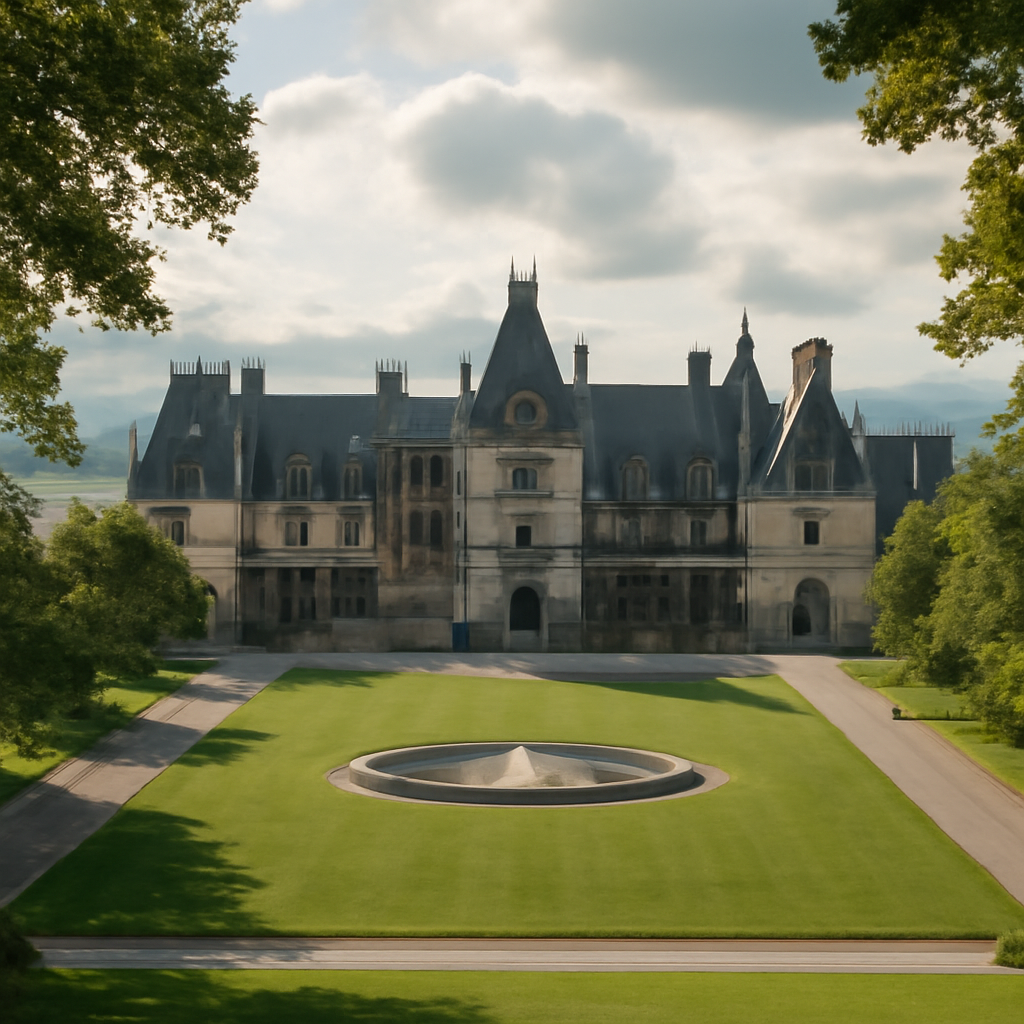
Biltmore Estate: A Journey Through Time and Elegance
Nestled in the lush Blue Ridge Mountains of Asheville, North Carolina, lies a magnificent testament to America's Gilded Age—the Biltmore Estate. This sprawling estate, built by George Washington Vanderbilt II in the late 19th century, is more than just a grand mansion; it is a vibrant tapestry of history, architecture, and nature that invites visitors to explore its rich narrative.
Origins and Historical Background
The story of the Biltmore Estate begins with George Washington Vanderbilt II, a member of the prominent Vanderbilt family. With a vision of creating a country retreat, he acquired over 125,000 acres of land in the picturesque Appalachian Mountains. Construction began in 1889, and the estate was completed in 1895, showcasing the talents of architect Richard Morris Hunt and landscape designer Frederick Law Olmsted.
Inspired by the châteaux of France, the mansion boasts 250 rooms, including a library with over 10,000 volumes and a stunning banquet hall that can seat 100 guests. The estate was not merely a home; it was a symbol of wealth and sophistication, a place where the elite gathered to revel in luxury and nature.
Geographic Setting and Architectural Character
The estate is surrounded by a breathtaking landscape, with the Blue Ridge Mountains serving as a majestic backdrop. The 8,000-acre grounds feature meticulously designed gardens, forests, and a picturesque winery, all of which contribute to the estate's serene ambiance. The architecture of the mansion, with its intricate stonework and ornate interiors, reflects the Renaissance style, making it a striking landmark in the region.
Distinctive Features and Experiences
Visitors to the estate can immerse themselves in a variety of experiences that highlight its unique character. A self-guided tour of the mansion allows guests to wander through grand rooms adorned with art and antiques, each telling a story of its own. The audio tour often features insights from historians and curators, providing a deeper understanding of Vanderbilt's life and the estate's significance.
- The Gardens: Stroll through the beautifully landscaped gardens designed by Olmsted. The Italian Garden, with its vibrant floral displays, and the Conservatory, housing exotic plants, are particularly enchanting.
- The Winery: Sample award-winning wines produced on-site. The estate's winery offers tastings and tours, allowing visitors to appreciate the craftsmanship behind each bottle.
- Outdoor Activities: Explore the estate’s extensive grounds through hiking trails, biking, or horseback riding. The natural beauty of the surroundings makes for a refreshing escape.
Cultural and Regional Significance
The Biltmore Estate is not just a historical site; it is a cultural cornerstone of Asheville. The estate has played a significant role in the community, hosting events, festivals, and educational programs that celebrate the arts and local heritage. Its commitment to sustainability and conservation has also positioned it as a leader in environmental stewardship, aligning with the region's growing focus on preserving its natural beauty.
Seasonal Considerations and Best Time to Visit
Each season offers a different perspective on the estate. Spring brings blooming flowers, making the gardens particularly vibrant, while summer invites outdoor concerts and festivals. Fall showcases the stunning foliage of the Blue Ridge Mountains, creating a picturesque backdrop for your visit. Winter transforms the estate into a holiday wonderland, with festive decorations and seasonal events that captivate visitors of all ages. The best time to visit largely depends on your interests, but many find the spring and fall months to be especially magical.
Visitor Insights and Travel Considerations
When planning a trip to the estate, it’s advisable to allocate a full day to explore its many facets. Arriving early allows for a leisurely tour of the mansion before the crowds arrive. Comfortable walking shoes are a must, as the estate’s grounds are expansive. Additionally, consider booking tickets in advance, especially during peak seasons, to ensure entry and avoid long wait times.
Whether you’re drawn by the allure of its history, the beauty of its gardens, or the charm of its architecture, a visit to this iconic estate promises a journey through time and elegance that lingers long after you’ve left its gates.