Oklahoma City National Memorial
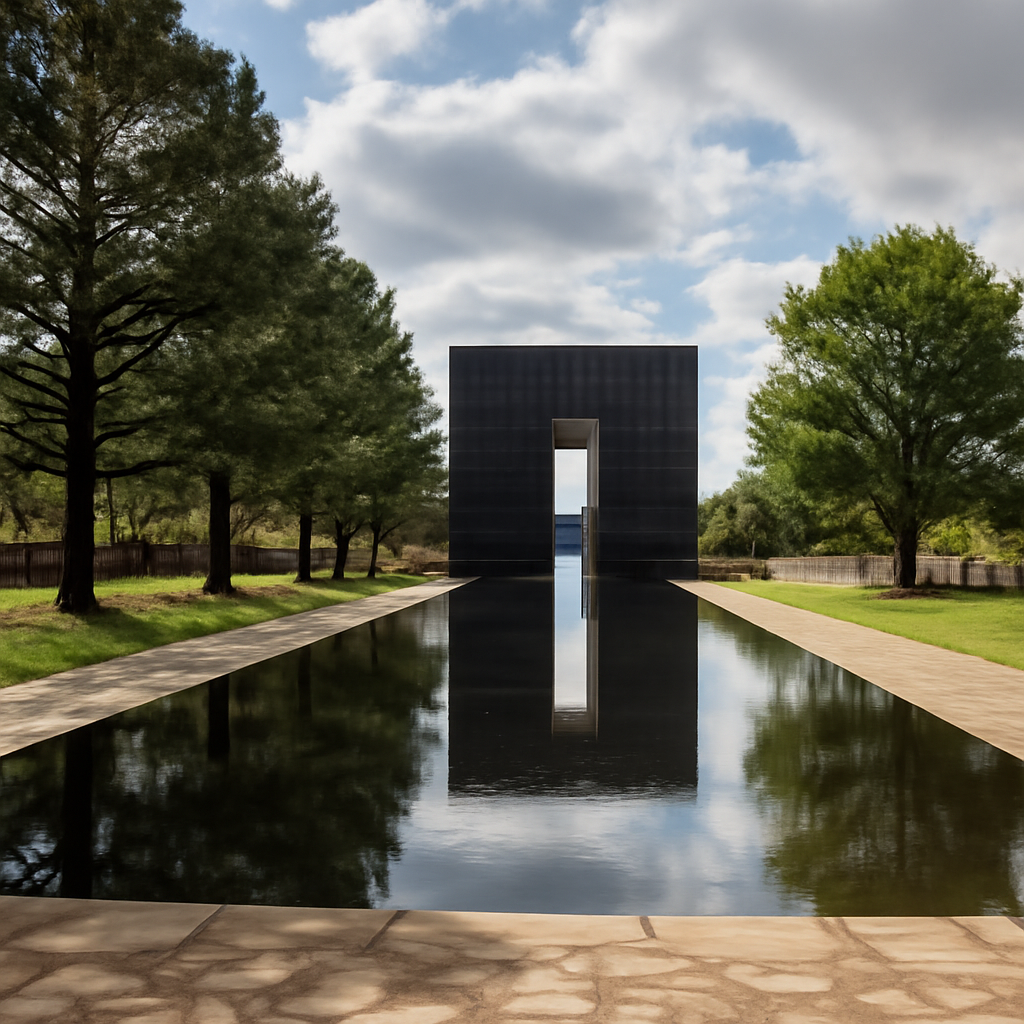
Oklahoma City National Memorial: A Journey Through Resilience
In the heart of Oklahoma City, a profound testament to human resilience and hope stands as a solemn reminder of a tragic chapter in American history. The Oklahoma City National Memorial invites visitors to reflect, remember, and find strength in unity. This sacred space was established to honor the 168 lives lost during the 1995 bombing of the Alfred P. Murrah Federal Building, an act of domestic terrorism that shook the nation to its core.
Origins and Historical Background
The Memorial arose from the ashes of devastation, symbolizing the community’s journey from grief to healing. On April 19, 1995, a truck bomb exploded outside the Murrah Building, claiming lives, injuring hundreds, and leaving a city in mourning. In the years that followed, a collective effort emerged to create a place where the memories of the victims could be preserved, and the spirit of resilience could be celebrated. Dedicated on April 19, 2000, the Memorial was designed by architects Hans and Torrey Butzer, who envisioned a space that would foster reflection and remembrance.
Geographic Setting and Architectural Character
Nestled in downtown Oklahoma City, the Memorial occupies a 3.3-acre site that seamlessly blends nature with architecture. The design incorporates the remnants of the Murrah Building, allowing visitors to connect with the past while surrounded by lush greenery and tranquil water features. The iconic 9:01 and 9:03 Gates frame the site, marking the moments before and after the bombing, creating a powerful contrast that emphasizes the fragility of life. The Field of Empty Chairs, representing each victim, stands as a poignant visual reminder of the lives lost, while the Survivor Tree, a resilient American elm, symbolizes strength and rebirth amidst adversity.
Distinctive Features of the Memorial
What sets this Memorial apart is its ability to evoke deep emotional responses while promoting healing and understanding. As visitors walk through the serene pathways, they encounter various elements designed to foster contemplation. The Reflecting Pool, with its calm waters, invites quiet moments of introspection, while the Museum offers a deeper dive into the events surrounding the bombing and its aftermath. Here, personal stories, artifacts, and multimedia exhibits provide a narrative that humanizes the tragedy, allowing visitors to grasp the profound impact on the community.
Experiences and Highlights
A visit to the Memorial is not just about witnessing history; it is an immersive experience that engages the senses and emotions. The audio tour, narrated by survivors and family members of victims, provides a personal touch, allowing visitors to connect with the stories behind the names. Walking through the Field of Empty Chairs, each seat meticulously arranged and illuminated at night, creates a hauntingly beautiful scene that lingers in the heart long after the visit.
For those seeking a deeper understanding, the Memorial Museum is a must-visit. It offers a comprehensive exploration of the events leading up to the bombing, the immediate aftermath, and the ongoing legacy of the victims. Interactive exhibits and personal artifacts create a narrative that is both educational and deeply moving, ensuring that the lessons learned from this tragedy are never forgotten.
Cultural and Regional Significance
The Memorial serves as a beacon of hope and resilience, not only for Oklahoma City but for the entire nation. It stands as a reminder of the importance of community, compassion, and the need to confront violence with understanding and love. The site has become a pilgrimage for those seeking to honor the victims and learn from the past, fostering a collective memory that transcends regional boundaries.
Seasonal Considerations and Best Time to Visit
The Memorial can be visited year-round, but spring and fall offer particularly pleasant weather for outdoor exploration. Spring brings blooming flowers and vibrant greenery, enhancing the beauty of the site, while fall showcases a stunning palette of colors as the leaves change. Special events and commemorations take place on significant anniversaries, drawing visitors from all over and creating a sense of community and shared remembrance.
Visitor Insights and Travel Considerations
When planning a visit, it’s essential to approach the experience with an open heart and mind. Allow time for reflection, and consider participating in guided tours to gain deeper insights into the site’s significance. Photography is welcomed, but visitors are encouraged to be respectful of the solemn atmosphere. The Memorial is free to the public, but donations are appreciated to support ongoing educational programs and preservation efforts.
As you leave this sacred space, you carry with you not only the stories of those who were lost but also the enduring spirit of a community that chose to rise from the ashes of tragedy. The Oklahoma City National Memorial is more than just a destination; it is a powerful reminder of the strength of the human spirit and the importance of remembrance.