Mount Rushmore National Memorial
Mount Rushmore National Memorial
Origins and Historical Background
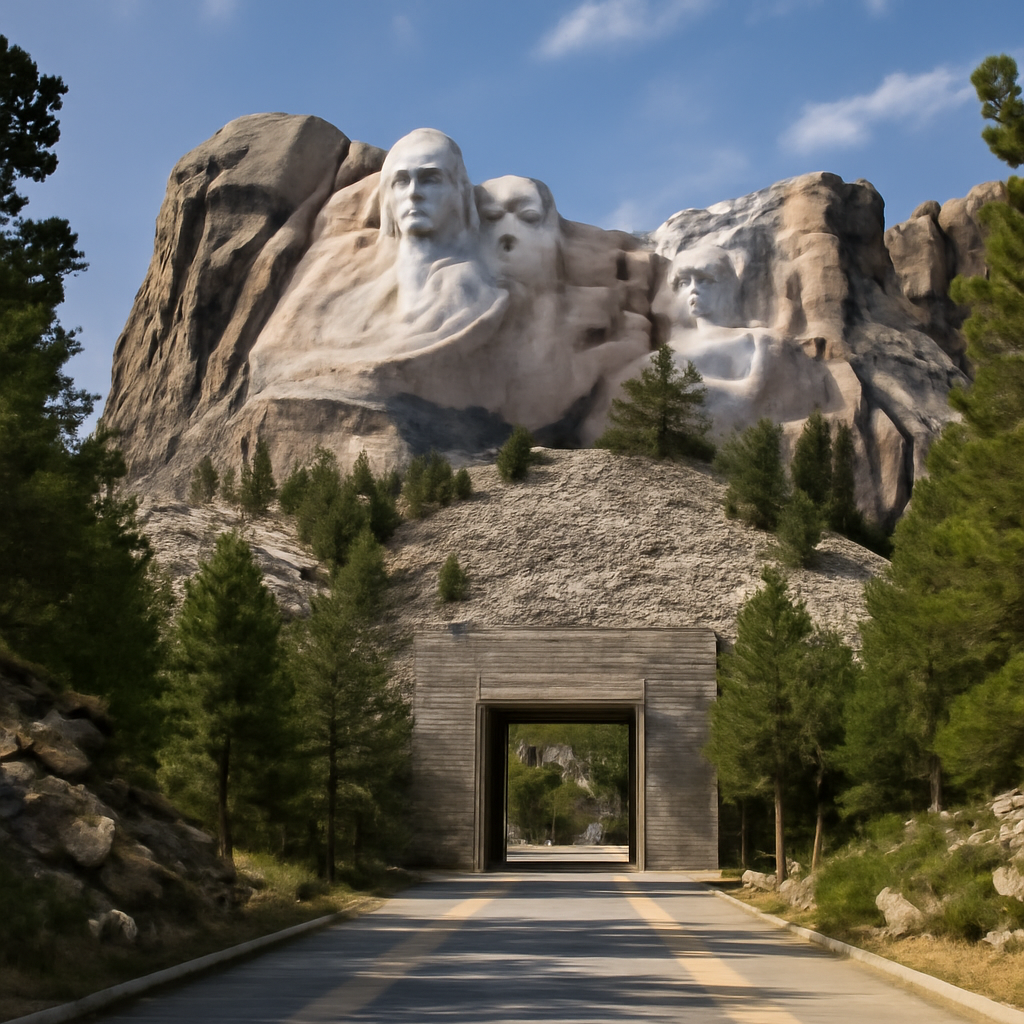
Nestled in the Black Hills of South Dakota, the iconic faces of four American presidents—George Washington, Thomas Jefferson, Theodore Roosevelt, and Abraham Lincoln—are carved into granite at Mount Rushmore. This monumental tribute was conceived by sculptor Gutzon Borglum in the 1920s, with the aim of promoting tourism and celebrating American democracy. The project, which began in 1927 and was completed in 1941, was not without its controversies, including the displacement of Native American tribes and the environmental impact on the sacred Black Hills. Yet, the sculpture stands today as a testament to ambition, artistry, and the complex narrative of America’s past.
Geographic Setting and Environmental Character
The memorial is set against a backdrop of the rugged Black Hills, a range steeped in both natural beauty and cultural significance. Towering ponderosa pines and granite formations create a dramatic contrast to the meticulously chiseled faces of the presidents. The surrounding landscape is dotted with hiking trails, offering visitors a chance to explore the diverse flora and fauna of the region. The area is rich in wildlife, including deer, mountain goats, and a variety of bird species, making it a haven for nature enthusiasts.
Distinctive Features
What sets this destination apart is not just the sheer scale of the sculpture, which measures 60 feet from chin to the top of the head, but the artistry involved in its creation. Borglum’s vision was to encapsulate the spirit of America’s ideals, and each president was chosen for their contributions to the nation’s founding and growth. The location itself, atop the granite mountain, was selected for its visibility and permanence, symbolizing the enduring nature of the American spirit.
Experiences and Highlights
Visitors to the memorial can expect a multi-faceted experience. The Avenue of Flags, lined with 56 state and territory flags, leads to the grand viewing platform, where the presidents loom majestically against the sky. The visitor center offers an engaging introduction to the history and significance of the monument, complete with exhibits and a short film detailing its construction. For those seeking a more immersive experience, the surrounding Black Hills provide ample opportunities for hiking, rock climbing, and photography, capturing the breathtaking vistas that frame the memorial.
Cultural Significance
Mount Rushmore is not merely a tourist attraction; it is a cultural landmark that embodies the American narrative. It serves as a site of reflection on the nation’s history, including its triumphs and tribulations. The memorial is a gathering place for national celebrations and commemorative events, reinforcing its role in the collective memory of the United States. Additionally, it stands as a reminder of the complex relationship between the United States and Indigenous tribes, particularly the Lakota Sioux, for whom the Black Hills hold deep spiritual significance.
Seasonal Considerations and Best Time to Visit
The memorial is open year-round, but the best time to visit is during the spring and fall months, when the weather is mild and the crowds are thinner. Summer, while vibrant and lively, can see large influxes of tourists, making for a bustling atmosphere. Winter brings a serene beauty to the site, as snow blankets the landscape, though some facilities may have limited hours. Regardless of the season, the sight of the presidents against the changing skies is always awe-inspiring.
Visitor Insights and Travel Considerations
When planning a visit, consider arriving early in the day to enjoy a quieter experience and take advantage of the morning light for photography. Comfortable walking shoes are a must, as the area offers numerous trails and paths to explore. Don’t miss the opportunity to engage with park rangers who provide valuable insights and stories about the memorial’s history. Additionally, consider exploring nearby attractions such as Crazy Horse Memorial and Custer State Park to enrich your understanding of the region’s cultural and natural heritage.