
Texas
Overview
Texas, the second-largest state in the United States, is a tapestry of diverse cultures, landscapes, and experiences that beckon travelers from around the globe. Known for its rich history and vibrant traditions, the Lone Star State offers a unique blend of urban sophistication and rustic charm. From bustling cities to serene natural parks, Texas invites exploration and discovery, making it a compelling destination for any traveler.
Distinctive Highlights & Notable Features
- Vibrant Cities: Explore the dynamic atmospheres of cities like Austin, known for its live music scene; San Antonio, home to the historic Alamo; and Houston, a hub of cultural diversity.
- Natural Wonders: Experience the breathtaking landscapes of Big Bend National Park and the stunning coastline along the Gulf of Mexico.
- Cultural Heritage: Delve into the rich tapestry of Texan culture, from cowboy traditions to Mexican influences, showcased in festivals, art, and cuisine.
What Makes Texas Noteworthy
Texas stands out for its unique blend of history, culture, and geography. The state’s storied past, from its days as an independent republic to its role in the Civil War, shapes its identity today. Additionally, Texas is renowned for its contributions to music, particularly country and blues, and its culinary scene, highlighted by barbecue and Tex-Mex cuisine. The state's vastness means that each region offers a distinct experience, making it a microcosm of American life.
Visiting Hours / Accessibility Information
Accessibility varies by location, but major attractions typically welcome visitors year-round. It’s advisable to check specific sites for seasonal hours and any special events that may affect access. Public transport options, including buses and light rail, are available in urban areas, and many attractions offer parking facilities for those driving.
Practical Visitor Tips & On-Site Etiquette
- Embrace the local customs—greetings are often warm and friendly.
- Dress comfortably and appropriately for the weather, which can vary significantly across the state.
- Be respectful of cultural sites and natural environments; follow posted guidelines and leave no trace.
Typical Time Required for a Visit
The time needed for a visit can vary widely depending on the activities chosen. A day is typically sufficient for major urban attractions, while exploring natural parks or rural areas may require several days to fully appreciate the landscapes and experiences.
Restrictions or Prohibited Items
While restrictions vary by location, common prohibitions include large bags, outside food and beverages, and smoking in designated areas. Always check specific venue policies before your visit.
Additional Context About Texas
The history of Texas is as vast as its landscape. Originally inhabited by Native American tribes, the area saw European exploration in the 16th century. It became a part of Mexico in the early 19th century, gaining independence as the Republic of Texas before joining the United States in 1845. This rich historical backdrop contributes to the state’s unique identity, reflected in its architecture, festivals, and local traditions.
Architectural or Natural Characteristics
Texas boasts a variety of architectural styles, from Spanish colonial missions to modern skyscrapers. Natural features include rolling plains, rugged mountains, and expansive deserts, each offering distinct ecosystems and recreational opportunities.
Seasonal Considerations & Best Time to Visit
The best time to visit Texas generally falls in the spring (March to May) and fall (September to November) when temperatures are milder and outdoor activities abound. Summer can be intensely hot, especially in southern regions, while winter offers cooler temperatures but can still be pleasant for exploration.
How Visitors Commonly Reach the Location
Texas is well-connected by major highways and airports, making it accessible for both domestic and international travelers. Major cities like Dallas, Austin, and Houston have international airports, while Amtrak and Greyhound services provide additional travel options.
Nearby Points of Interest
- Hill Country: Known for its picturesque landscapes and wineries.
- Guadalupe Mountains National Park: A haven for hikers and nature lovers.
- NASA’s Johnson Space Center: A fascinating glimpse into America’s space exploration efforts.
FAQs
- What is the best time to visit Texas? Spring and fall are ideal for milder weather and outdoor activities.
- Are there any entry fees for state parks? Yes, most state parks charge a nominal entry fee; check specific sites for details.
- What should I wear while visiting Texas? Dress comfortably for the weather; layers are recommended for variable temperatures.
- Is public transportation available in Texas cities? Yes, major cities offer public transportation options, including buses and light rail.
- Can I bring my pet to parks and attractions? Pet policies vary; check specific locations for their rules regarding pets.
Cities in Texas
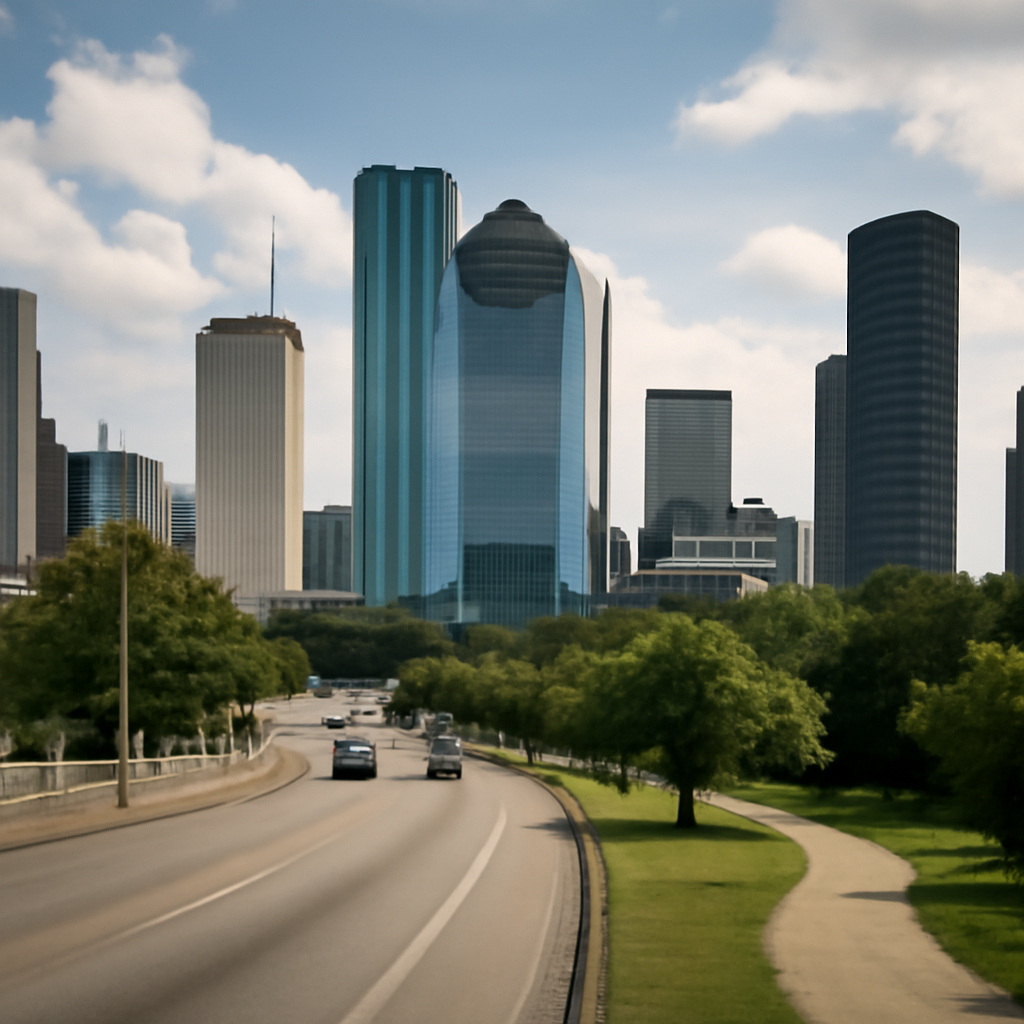
Houston
Overview Houston, a vibrant metropolis in the heart of Texas, is a city that pulses with energy and diversity. Known for...
Explore City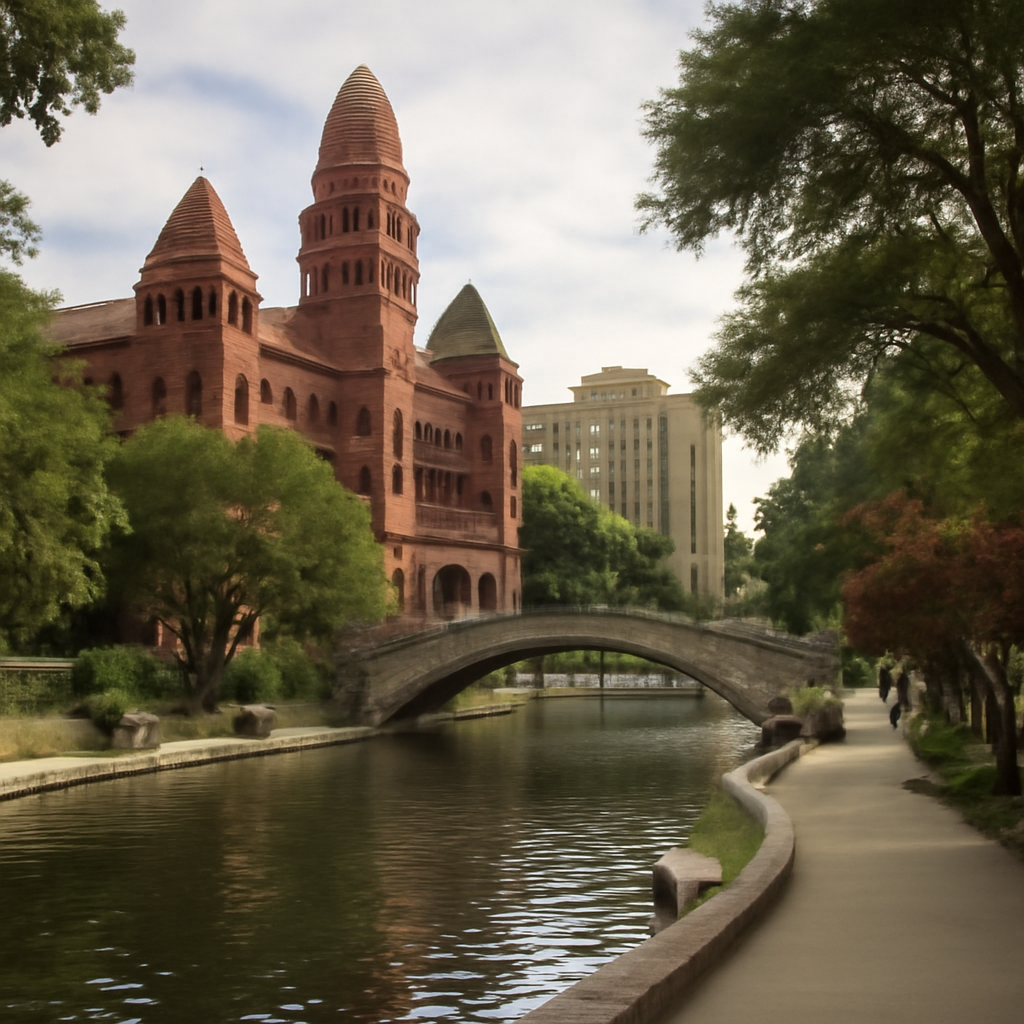
San Antonio
Overview San Antonio, a vibrant city steeped in history and culture, offers visitors a unique blend of Texan charm and r...
Explore City