The Alamo
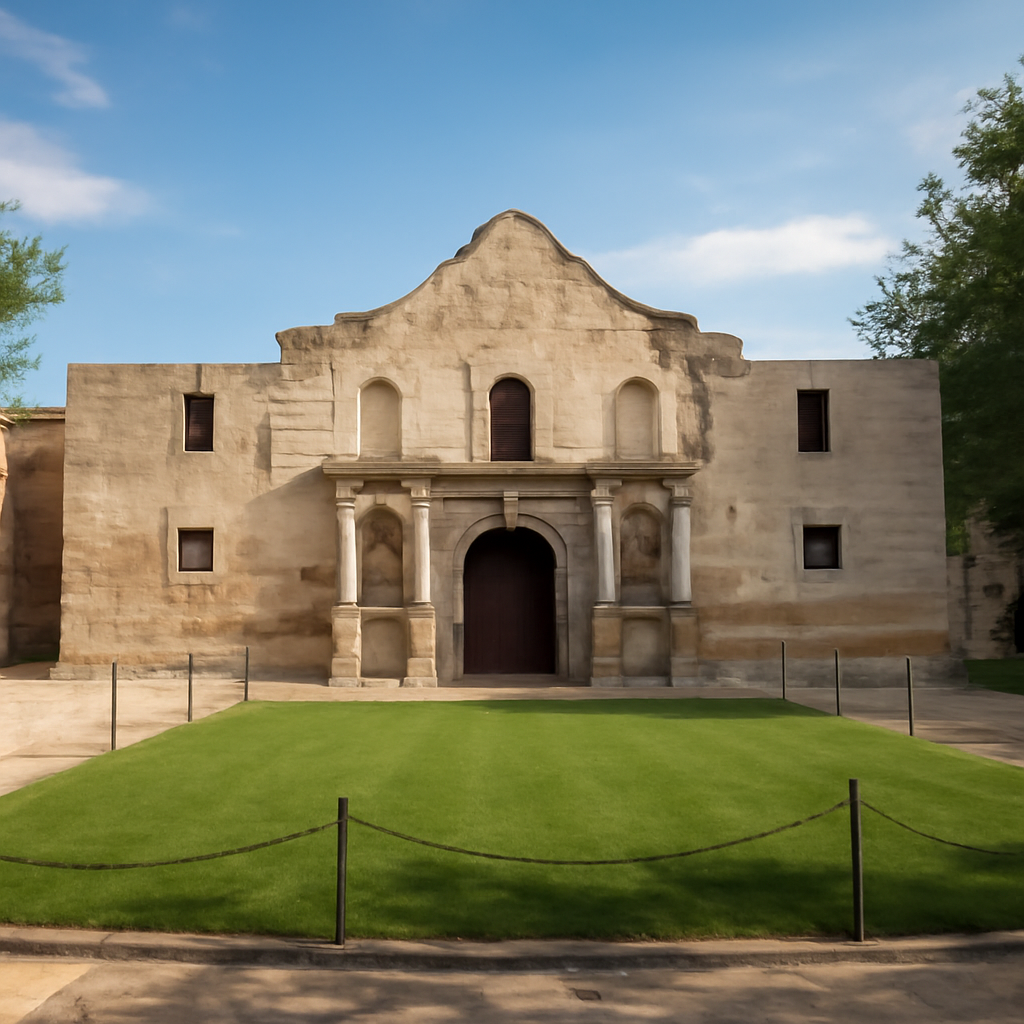
The Alamo: A Journey Through History in San Antonio
In the heart of San Antonio, Texas, lies a symbol of resilience and sacrifice that transcends its modest size. The Alamo, a former Spanish mission turned fortress, is not just a building; it's a narrative woven into the very fabric of American history. As visitors approach, the façade of this historic site beckons, inviting them to step back in time and immerse themselves in a story that has shaped the identity of a nation.
Origins and Historical Background
The origins of the Alamo trace back to the early 18th century when it was established as Mission San Antonio de Padua. Initially a place of worship and education for Native Americans, the mission evolved over the decades, becoming a military outpost by the early 19th century. Its most famous moment came during the Texas Revolution in 1836, when a small garrison of Texian defenders, including the likes of James Bowie, William B. Travis, and Davy Crockett, stood against the formidable Mexican army led by General Santa Anna. The 13-day siege culminated in a fierce battle on March 6, resulting in the fall of the Alamo, but it ignited a fervor for independence that would ultimately lead to Texas’s liberation.
Geographic Setting and Architectural Character
Nestled within the bustling urban landscape of San Antonio, the Alamo stands in stark contrast to the modernity surrounding it. The site is marked by its iconic stone walls, weathered by time yet resilient, reflecting the Spanish Colonial architectural style. The lush gardens that envelop the mission provide a serene backdrop, inviting contemplation amidst the echoes of history. Visitors can stroll through the courtyards, where the air is thick with stories of bravery and sacrifice, and the gentle rustle of leaves seems to whisper the tales of those who fought valiantly for freedom.
Distinctive Features and Visitor Experiences
What sets the Alamo apart is not just its historical significance but the immersive experiences it offers. Upon entering, visitors are greeted by a museum that showcases artifacts from the battle, including weapons, personal belongings of the defenders, and interactive exhibits that bring the past to life. The audio tour, narrated by engaging voices, guides you through the timeline of events, making the experience both educational and poignant.
- The Long Barrack Museum: This museum houses an extensive collection of historical artifacts and provides insights into the lives of those who lived and fought at the Alamo.
- Daily Guided Tours: Knowledgeable guides lead visitors through the site, sharing stories that breathe life into the stone walls.
- Special Events: Throughout the year, the Alamo hosts reenactments and commemorative events, allowing guests to witness history in action.
Cultural Significance
The Alamo is more than a site of conflict; it is a cultural touchstone for Texans and a symbol of the fight for independence. It embodies the spirit of determination and courage that resonates deeply within the Texan identity. Each year, thousands of visitors from around the world come to pay homage, not only to the heroes of the past but also to the ideals of liberty and justice they represent. The site is a gathering place for reflection, education, and celebration, underscoring its role in shaping the cultural landscape of Texas and the broader United States.
Seasonal Considerations and Best Time to Visit
San Antonio boasts a warm climate, making it a year-round destination. However, the best time to visit the Alamo is during the spring (March to May) and fall (September to November) when temperatures are mild, and the gardens are in full bloom. Summer can be sweltering, with temperatures often exceeding 100°F, while winter, though cooler, offers a quieter experience with fewer crowds. Regardless of the season, the Alamo remains a site of reverence and reflection.
Visitor Insights and Travel Considerations
As you plan your visit, consider allocating a few hours to fully absorb the experience. The Alamo is conveniently located near the vibrant River Walk, where you can explore shops, restaurants, and local culture after your visit. Admission to the site is free, but donations are encouraged to help preserve this historic landmark. Remember to wear comfortable shoes, as the cobblestone paths can be uneven, and don’t forget your camera to capture the essence of this iconic location.
Visiting the Alamo is not just about witnessing a historical site; it’s about connecting with a story that continues to resonate. As you walk through its hallowed grounds, you will feel the weight of history and the enduring spirit of those who fought for freedom, making it an unforgettable part of your journey through San Antonio.