Hildene
Discovering Hildene: A Journey into Vermont's Historic Heart
Nestled in the picturesque town of Manchester, Vermont, Hildene offers a unique glimpse into American history, architecture, and the natural beauty of New England. Once the summer home of Robert Todd Lincoln, the only surviving son of President Abraham Lincoln, this estate is a tapestry of stories woven through time, showcasing the legacy of a family intertwined with the nation's history.
Origins and Historical Background
Constructed in 1905, Hildene was designed by the prominent architect Charles A. Platt. The estate served as a refuge for Robert Todd Lincoln and his family, embodying the opulence and grace of the early 20th century. The name "Hildene" is derived from the Old English words for "hill" and "valley," reflecting its stunning location overlooking the Battenkill River Valley. Robert's connection to his father is palpable throughout the estate, as he dedicated much of his life to preserving Abraham Lincoln's legacy, which adds a layer of poignancy to the visit.
Geographic Setting and Architectural Character
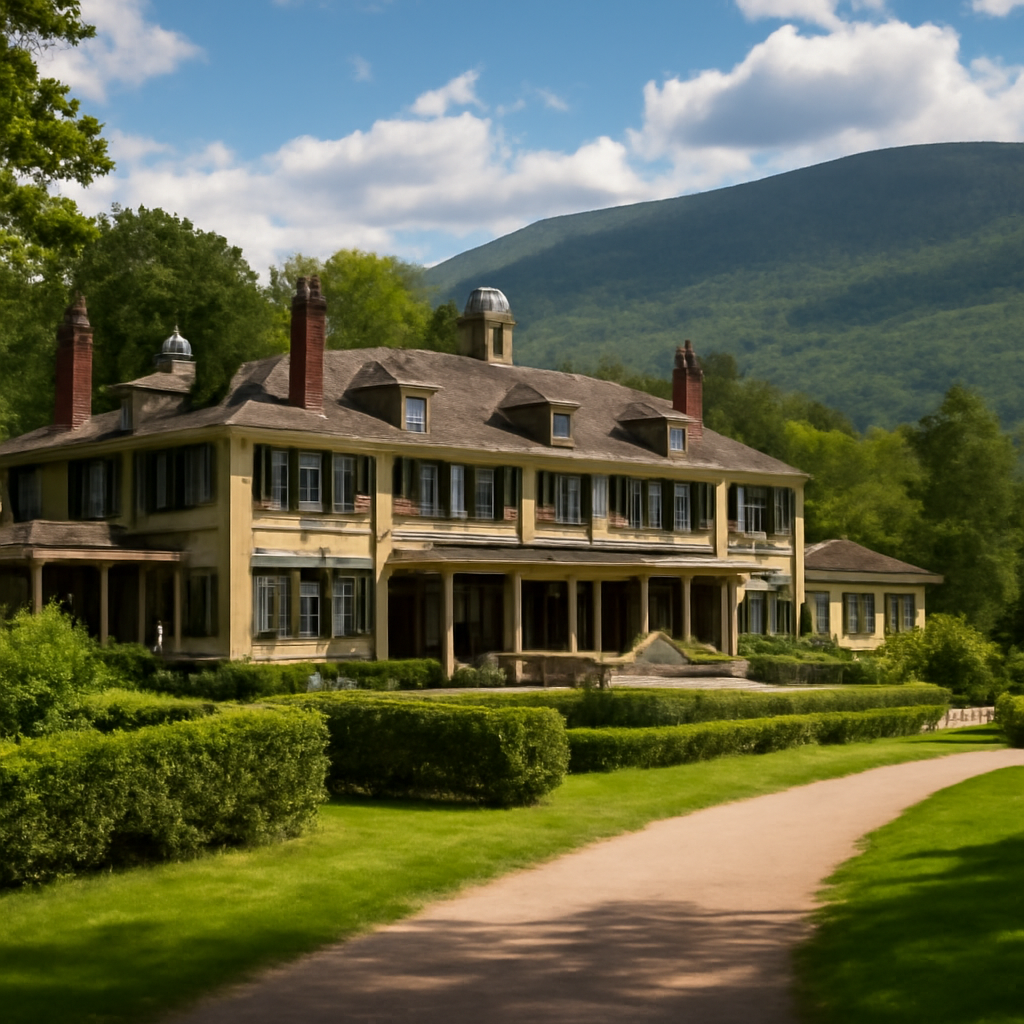
Hildene sits on a sprawling 412-acre estate, surrounded by the majestic Green Mountains. The landscape is a harmonious blend of manicured gardens, rolling hills, and dense forests, making it a haven for nature lovers and history buffs alike. The architecture of the main house is striking, featuring Georgian Revival elements that reflect the wealth and status of the Lincoln family. Visitors are immediately captivated by the intricate woodwork, the expansive porches, and the meticulously preserved interiors that tell stories of a bygone era.
Distinctive Features Within the Region
What sets Hildene apart from other historic sites in Vermont is its comprehensive approach to preserving both history and nature. The estate not only offers a well-preserved glimpse into the past but also emphasizes sustainability and environmental stewardship. The working farm on the property, which produces organic vegetables and flowers, showcases the Lincoln family's commitment to agriculture and the land. This dual focus on heritage and ecology makes Hildene a standout destination in the region.
Experiences and Highlights
- Guided Tours: Visitors can explore the estate through guided tours that delve into the life of Robert Todd Lincoln and the significance of his family's history. Knowledgeable guides share anecdotes and insights that bring the past to life.
- Gardens and Grounds: The formal gardens, designed in the early 1900s, are a delight for the senses, featuring seasonal blooms and stunning views. Walking paths meander through the property, inviting exploration and reflection.
- Farm-to-Table Experience: Engage with the estate's working farm, where you can learn about sustainable practices and perhaps even participate in seasonal activities, such as picking fresh produce or attending workshops.
- Special Events: Throughout the year, Hildene hosts various events, including concerts, art exhibits, and seasonal festivals that celebrate local culture and community.
Cultural Significance
Hildene is not just a historical site; it is a cultural beacon for the community. It serves as a venue for educational programs, workshops, and discussions that promote a deeper understanding of American history and the importance of preserving heritage. The estate's commitment to environmental education aligns with Vermont's progressive values, making it a relevant and vital part of the local fabric.
Seasonal Considerations and Best Times to Visit
Each season offers a unique perspective on Hildene. Spring awakens the gardens with vibrant blooms, while summer provides lush landscapes perfect for outdoor activities. Autumn transforms the estate into a canvas of fiery foliage, creating a breathtaking backdrop for photography and leisurely strolls. Winter, though quieter, allows for a peaceful retreat, where visitors can enjoy the serene beauty of the snow-covered grounds. The best time to visit largely depends on personal preference, but the fall season is particularly enchanting, drawing visitors eager to experience the stunning colors and crisp air.
Helpful Visitor Insights
When planning a visit, consider allocating a few hours to fully appreciate the estate. Comfortable walking shoes are recommended for exploring the grounds, and bringing a camera is a must to capture the stunning vistas. The visitor center offers a wealth of information and resources, ensuring that your experience is both enriching and enjoyable. Additionally, check the estate's calendar for special events or guided tours that align with your visit to enhance your experience.
Hildene is more than just a destination; it is a journey through time, a celebration of heritage, and a testament to the enduring connection between history and nature. Whether you are drawn by the allure of the past or the beauty of the Vermont landscape, this estate promises an experience that resonates long after you leave its grounds.