Colonial Williamsburg
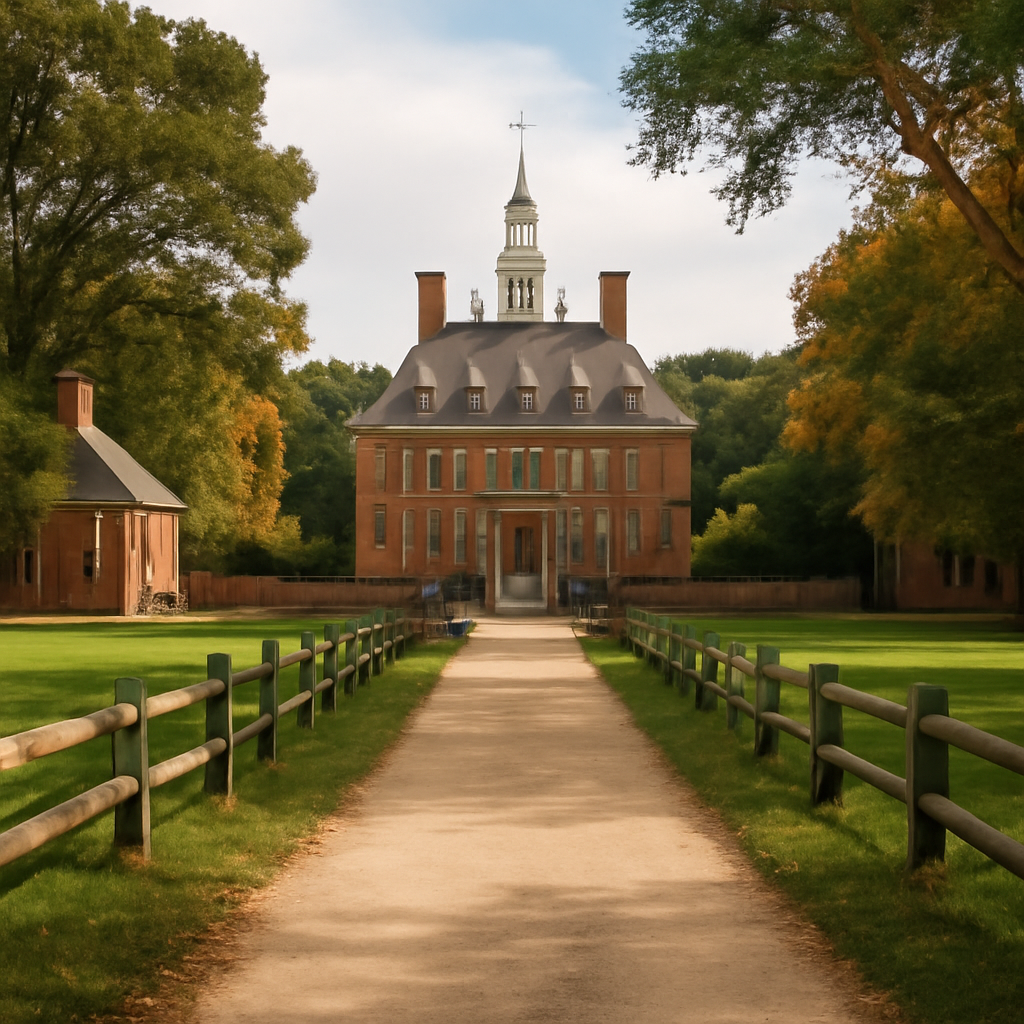
Exploring Colonial Williamsburg
Origins and Historical Background
Colonial Williamsburg stands as a living testament to America's colonial past, a meticulously restored town that invites visitors to step back in time to the 18th century. Established in 1699, it served as the capital of the Virginia colony and was a hub for revolutionary thought and action. The streets echo with the footsteps of historical figures like Patrick Henry and Thomas Jefferson, who once walked these cobblestones, debating the ideas that would shape a nation. The restoration began in the 1920s, driven by a vision to preserve the architectural and cultural heritage of this pivotal place in American history.
Geographic Setting and Architectural Character
Nestled in the heart of Virginia, Williamsburg is surrounded by lush forests, rolling hills, and the tranquil waters of the nearby James River. The town's layout is a harmonious blend of natural beauty and colonial architecture, with over 300 restored buildings showcasing the craftsmanship of the time. Visitors can stroll along Duke of Gloucester Street, flanked by charming taverns, shops, and homes, all reflecting the Georgian and Federal styles that define the period. The meticulous attention to detail in the restoration process allows one to truly feel the spirit of the 18th century.
Distinctive Features of the Destination
What sets this historic site apart is its commitment to authenticity. Living history interpreters, dressed in period costumes, engage with guests, demonstrating traditional crafts like blacksmithing, weaving, and pottery. This immersive experience is not merely a performance; it’s an invitation to participate in the daily life of the colonists. The Governor's Palace, with its stunning gardens and opulent interiors, offers a glimpse into the lives of the elite, while the Capitol building showcases the birthplace of American democracy. Each corner of this town tells a story, making it a unique cultural tapestry.
Experiences and Highlights
- Interactive Workshops: Visitors can join hands-on workshops, learning skills like candle-making or colonial cooking, allowing for a deeper understanding of the everyday lives of colonists.
- Evening Programs: As the sun sets, the atmosphere transforms. The "Revolutionary City" program brings to life the tensions of the Revolutionary War, with engaging performances that draw audiences into the narrative.
- Historic Taverns: Dining at one of the historic taverns offers more than just food; it’s a culinary journey through time, featuring dishes inspired by colonial recipes and local ingredients.
- Guided Tours: Knowledgeable guides lead tours that delve into the history, architecture, and stories of the people who shaped this town, providing context and depth to the experience.
Cultural Significance
Colonial Williamsburg is not just a historical site; it is a cornerstone of American identity. It represents the ideals of freedom, governance, and community that were forged in the fires of revolution. The town serves as an educational resource, drawing scholars, students, and history enthusiasts from around the world. Its significance is amplified by its role in the larger context of Virginia's history, as it is situated near other important sites such as Jamestown and Yorktown, creating a rich narrative of early American life.
Seasonal Considerations and Best Time to Visit
While Colonial Williamsburg is a year-round destination, the best time to visit is during the spring (April to June) and fall (September to November) when the weather is mild, and the gardens are in full bloom or adorned with autumn colors. Special events, such as the "Williamsburg Craft Festival" in the fall and "Revolutionary War reenactments" in the summer, enhance the experience, offering unique perspectives on colonial life. Winter months can be quiet, providing an intimate atmosphere, but some attractions may have limited hours.
Visitor Insights and Travel Considerations
To fully immerse in the experience, consider purchasing a multi-day ticket that allows for exploration at a leisurely pace. Wear comfortable shoes, as the cobblestone streets can be uneven, and be prepared for the weather by dressing in layers. Engage with the interpreters; they are a wealth of knowledge and can provide insights that enrich your understanding of the historical context. Lastly, don’t miss the chance to explore the surrounding area, including the beautiful Colonial Parkway, which connects Williamsburg to Jamestown and Yorktown, offering a scenic drive through history.