New River Gorge Bridge
New River Gorge Bridge: A Journey Through Nature and Engineering
In the heart of Fayetteville, West Virginia, the New River Gorge Bridge stands as a testament to both natural beauty and human ingenuity. Spanning 3,030 feet across the New River Gorge, this architectural marvel is not just a bridge; it is a portal to a world of adventure, history, and breathtaking landscapes.
Origins and Historical Significance
The New River Gorge has a rich history that predates the bridge itself. The river, one of the oldest in North America, has carved its way through the Appalachian mountains for millions of years, creating dramatic cliffs and lush forests. The area was also a significant site for Native American tribes, who utilized its resources long before European settlers arrived.
Construction of the bridge began in 1974 and was completed in 1977, a feat that required innovative engineering techniques and the labor of hundreds of workers. Upon its completion, it was the longest single-arch bridge in the Western Hemisphere, showcasing the potential of modern engineering while harmonizing with the stunning natural surroundings.
Geographic Setting and Architectural Character
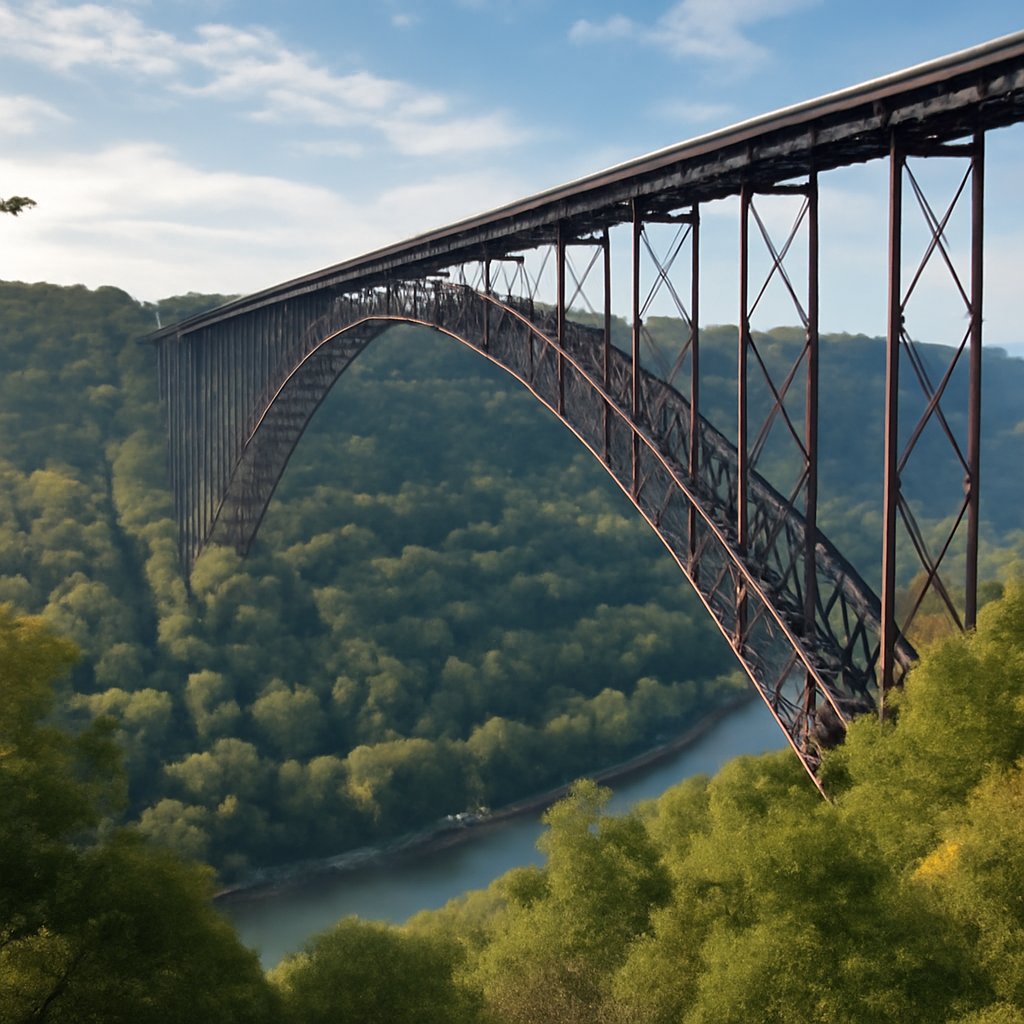
Perched 876 feet above the New River, the bridge offers unparalleled views of the gorge and surrounding landscape. The rugged terrain is a mix of dense forests, rocky cliffs, and the meandering river below, creating a picturesque backdrop that changes with the seasons. In autumn, the foliage transforms into a vibrant tapestry of reds, oranges, and yellows, while spring brings a fresh burst of green and blooming wildflowers.
The bridge itself is an architectural marvel, with its sweeping arch and steel structure that gleams against the sky. It is not merely a means of transportation; it is a striking focal point that draws photographers, adventurers, and nature lovers alike.
Distinct Experiences Awaiting Visitors
Visiting the New River Gorge Bridge is an experience that transcends the ordinary. One of the most exhilarating ways to appreciate the bridge is by walking along the designated trails that lead to various viewpoints. The Canyon Rim Visitor Center offers informative exhibits about the region's ecology and history, making it a great starting point for your adventure.
- Bridge Walk: For the adventurous, a guided tour on the catwalk beneath the bridge provides a unique perspective. You’ll feel the thrill of being suspended high above the gorge while learning about the engineering behind this iconic structure.
- Whitewater Rafting: The New River is renowned for its challenging rapids, attracting thrill-seekers from around the country. Guided rafting trips offer an exhilarating way to experience the river's power and beauty.
- Rock Climbing: The gorge is a premier rock climbing destination, with routes suitable for all skill levels. The stunning cliffs provide both a challenge and a rewarding view from the top.
- Scenic Drives: For those who prefer a more leisurely pace, the surrounding area offers scenic drives that showcase the stunning landscapes of the Appalachian Mountains.
Cultural and Regional Significance
The New River Gorge is more than just a beautiful destination; it is a cultural hub that reflects the spirit of West Virginia. The area is home to vibrant local communities that celebrate their heritage through festivals, art, and music. Events like the New River Gorge Festival highlight local crafts, food, and traditions, inviting visitors to engage with the culture of the region.
Moreover, the bridge is a symbol of resilience and progress for the people of West Virginia, representing the state’s ability to embrace modernity while cherishing its natural wonders. This blend of history and progress is palpable as you stand on the bridge, gazing out over the gorge.
Seasonal Considerations and Best Time to Visit
The New River Gorge Bridge is a year-round destination, each season offering its own unique charm. Spring and fall are particularly popular due to the mild weather and stunning foliage. Summer attracts outdoor enthusiasts eager to take advantage of the warmer temperatures for rafting and climbing, while winter provides a serene landscape, perfect for those seeking solitude and reflection.
Visitor Insights and Travel Considerations
When planning your visit, consider arriving early to enjoy the sunrise over the gorge, casting a golden hue on the landscape. Dress in layers, as temperatures can fluctuate throughout the day, especially in the cooler months. Be sure to bring a camera; the views from the bridge and surrounding trails are nothing short of spectacular.
Additionally, local dining options in Fayetteville offer a taste of Appalachian cuisine, with restaurants serving everything from hearty comfort food to gourmet dishes. Engaging with the local community adds depth to your experience and supports the region’s economy.
In essence, a visit to the New River Gorge Bridge is not just about crossing from one side to another; it is about immersing oneself in a landscape that tells a story of nature, culture, and human achievement. Whether you're seeking adventure, tranquility, or a deeper understanding of West Virginia’s heritage, this destination offers a profound connection to the heart of Appalachia.