Fort Laramie National Historic Site
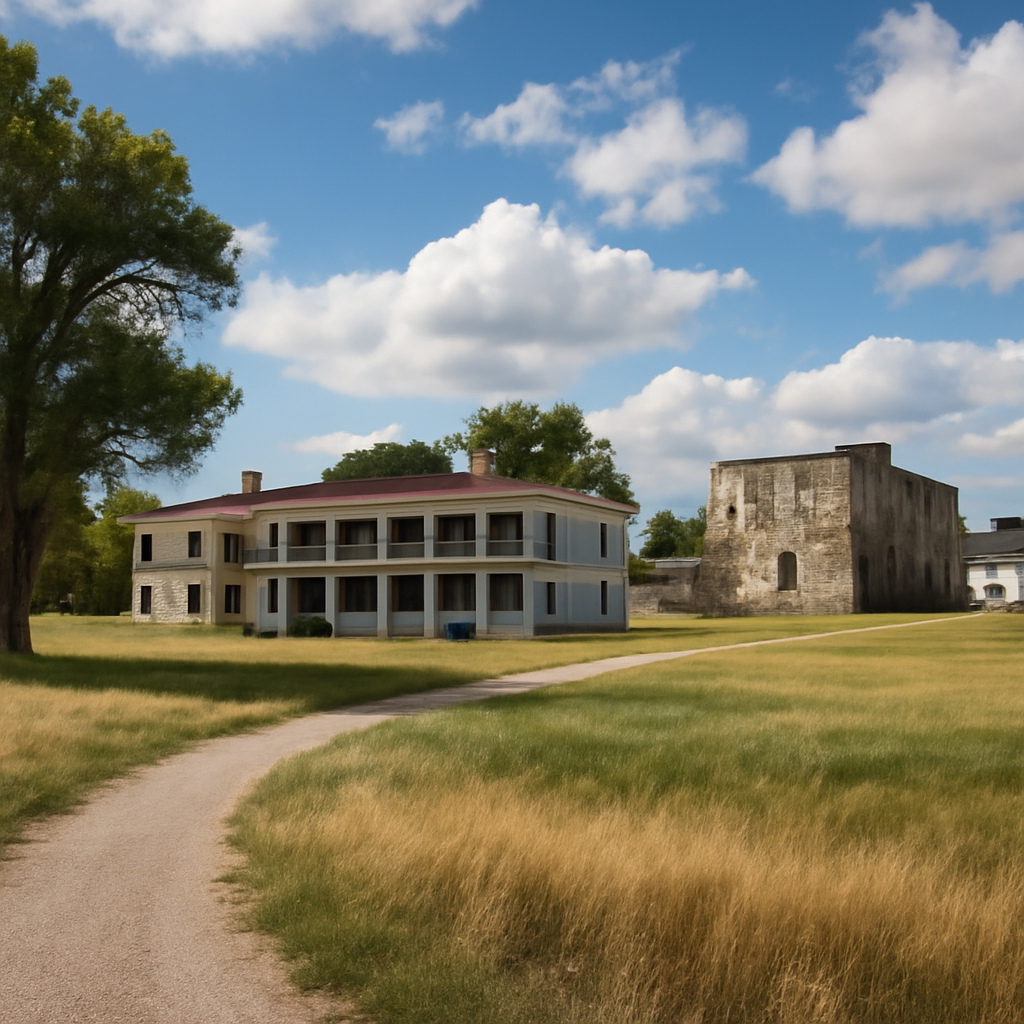
Exploring Fort Laramie National Historic Site
Nestled at the confluence of the Laramie and North Platte Rivers in southeastern Wyoming, Fort Laramie National Historic Site stands as a testament to the rich tapestry of American history. Once a bustling hub of trade, migration, and military activity, this historic fort offers visitors a glimpse into a pivotal period of the American West.
Origins and Historical Background
Established in 1834 as a fur trading post, the fort evolved over the decades into a vital military outpost. It served as a key supply station for travelers on the Oregon, California, and Mormon Trails during the mid-19th century. As the westward expansion surged, Fort Laramie became a melting pot of cultures, where Native American tribes, settlers, and soldiers intersected. This unique convergence of peoples and purposes shaped the narrative of the American frontier, making the site a microcosm of the broader historical themes of conflict, cooperation, and survival.
Geographic Setting and Architectural Character
The fort is set against the backdrop of the vast Wyoming plains, framed by the distant, rugged peaks of the Rocky Mountains. The landscape is characterized by rolling hills and expansive skies that change hues with the shifting light, creating an ever-evolving canvas for visitors. The architecture of the fort itself reflects its storied past, with adobe walls and wooden structures that harken back to the mid-1800s. Walking through the preserved buildings, including the barracks, officers’ quarters, and the iconic stone fort, visitors can almost hear the echoes of soldiers’ footsteps and the distant calls of traders.
Distinctive Features of the Site
What sets this historic site apart is its layered history, which is palpable in the air. Unlike many other historical sites that focus solely on military history, Fort Laramie embraces the stories of the diverse groups that passed through its gates. The fort's interpretive programs and guided tours delve into the lives of the Native American tribes, the soldiers stationed here, and the settlers who relied on the fort as a lifeline. This multifaceted approach fosters a deeper understanding of the complexities of the American West.
Experiences and Highlights
Visitors can immerse themselves in history through a variety of engaging experiences. The site offers living history demonstrations, where reenactors in period attire bring the past to life, showcasing everything from military drills to traditional Native American crafts. The visitor center houses exhibits that detail the fort's history and its role in westward expansion, providing context to the structures that dot the landscape.
One of the highlights is the opportunity to walk along the original trails that once guided thousands of pioneers. As you traverse these paths, the vastness of the plains envelops you, allowing for a profound connection to the struggles and triumphs of those who journeyed before. The serenity of the surroundings, punctuated by the sounds of nature, offers a moment of reflection on the resilience of the human spirit.
Cultural Significance
Fort Laramie is not just a relic of the past; it represents a pivotal chapter in the story of the United States. It serves as a reminder of the complex interactions between Native Americans and settlers, and the often tumultuous relationships that defined the era. The site plays a crucial role in educating visitors about these interactions, fostering a greater appreciation for the diverse narratives that comprise American history.
Seasonal Considerations and Best Time to Visit
While the fort is open year-round, the best time to visit is during the warmer months, from late spring to early fall. This period allows for a fuller experience, as many of the living history programs and special events are scheduled during this time. The summer months bring vibrant wildflowers to the plains and offer ideal conditions for exploring the site’s trails and outdoor exhibits.
Visitor Insights and Travel Considerations
When planning a visit, consider setting aside a few hours to fully explore the site. Wear comfortable shoes, as the terrain can be uneven, and bring water to stay hydrated, especially during the hotter months. For those interested in a deeper dive, check the schedule for ranger-led programs that often include fascinating insights and stories not found in the exhibits.
In addition to the fort, the surrounding area offers opportunities for hiking, birdwatching, and photography, making it a perfect stop for those looking to experience the natural beauty of Wyoming. Whether you’re a history buff, a nature lover, or simply seeking a peaceful retreat, Fort Laramie National Historic Site invites you to step back in time and reflect on the enduring legacy of the American West.