Yellowstone National Park
Overview
Yellowstone National Park, the first national park in the world, is a breathtaking expanse of geothermal wonders, diverse wildlife, and stunning landscapes. Nestled primarily in Wyoming, this iconic destination invites visitors to immerse themselves in nature's grandeur. From the vibrant colors of hot springs to the thundering cascades of waterfalls, every corner of Yellowstone offers a unique experience that resonates with adventure seekers and nature lovers alike.
Distinctive Highlights & Notable Features
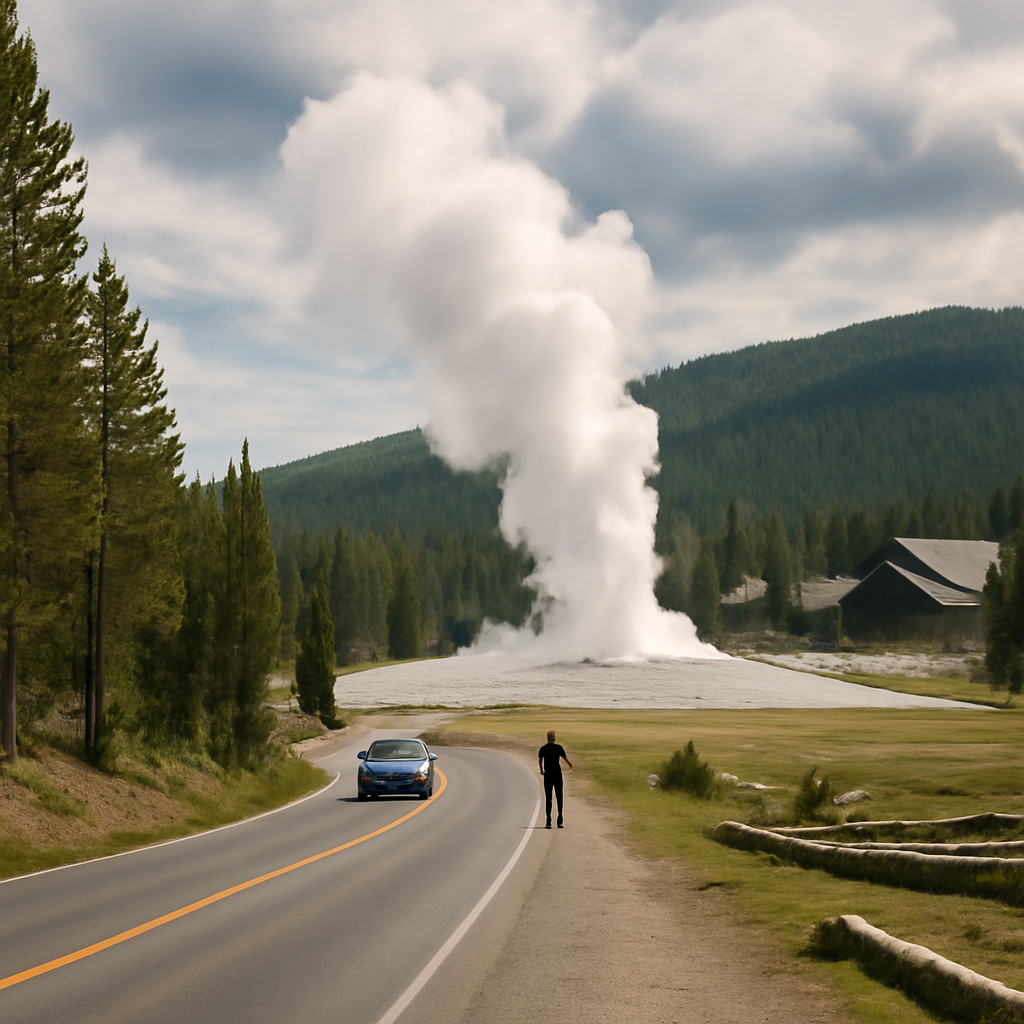
- Old Faithful Geyser: Famous for its predictable eruptions, this geothermal marvel captivates visitors with its impressive displays of steam and water.
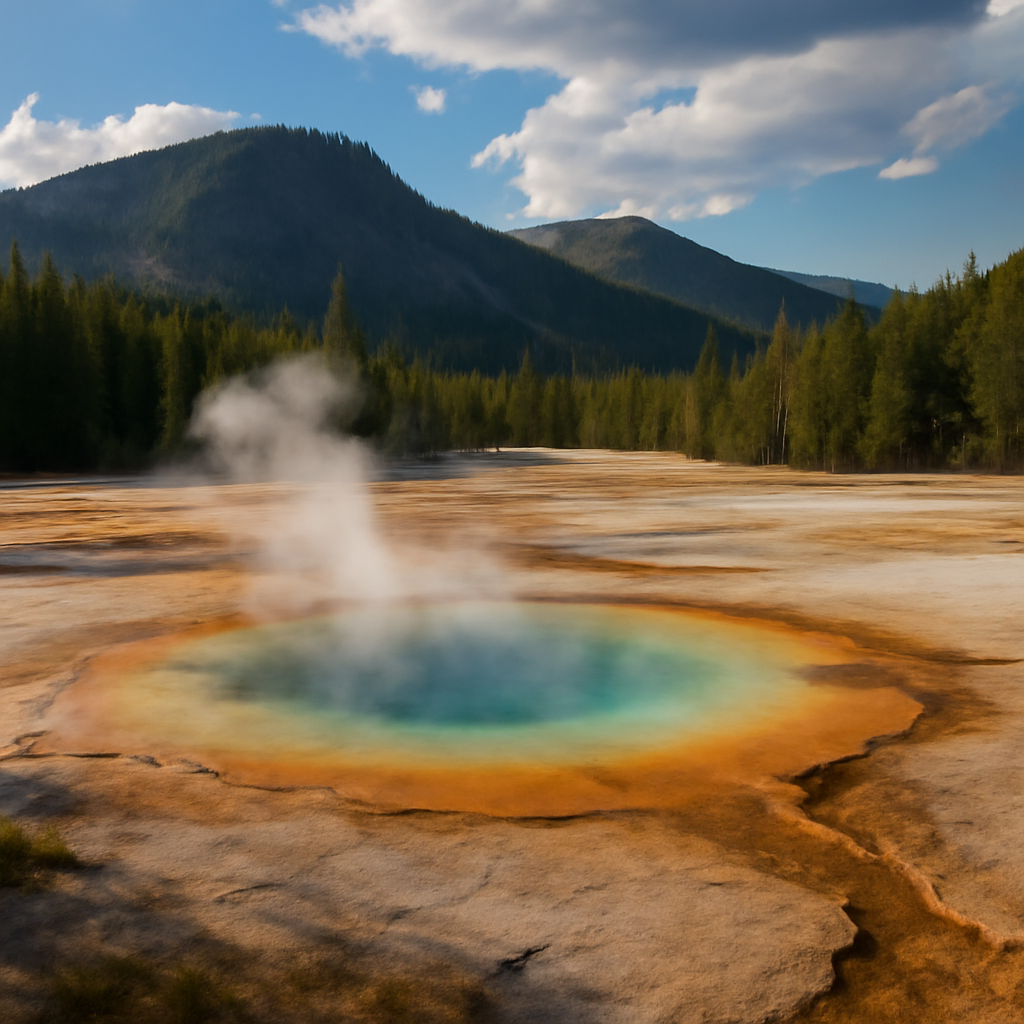
- Grand Prismatic Spring: The largest hot spring in the United States, its vivid colors are a result of microbial mats that thrive in its mineral-rich waters.
- Yellowstone Lake: This expansive body of water provides opportunities for boating, fishing, and enjoying stunning views of the surrounding mountains.
- Wildlife Viewing: Home to bison, elk, wolves, and bears, Yellowstone is a prime location for observing wildlife in their natural habitat.
- Grand Canyon of the Yellowstone: A dramatic gorge carved by the Yellowstone River, featuring breathtaking waterfalls and vibrant rock formations.
What Makes Yellowstone National Park Noteworthy
Yellowstone's significance extends beyond its natural beauty; it represents a pioneering spirit in conservation and environmental stewardship. Established in 1872, the park was a bold declaration of the need to protect America’s natural treasures. Its unique geothermal features, such as geysers and hot springs, are a testament to the underlying volcanic activity that shapes the landscape. Moreover, the park's diverse ecosystems support a rich variety of flora and fauna, making it a vital area for ecological research and preservation.
Visiting Hours / Accessibility Information
Yellowstone National Park is open year-round, but access to certain areas may be restricted during winter months due to snow. Generally, the park's roads are open from late April to early November, with specific hours varying by season. Visitors should check for road conditions and closures before their trip, as some areas may be temporarily inaccessible.
Practical Visitor Tips & On-Site Etiquette
- Stay on designated trails to protect fragile ecosystems.
- Keep a safe distance from wildlife; never approach or feed animals.
- Carry bear spray and know how to use it, especially in bear country.
- Practice Leave No Trace principles to preserve the park's natural beauty.
- Plan your visits to popular sites early in the day to avoid crowds.
Typical Time Required for a Visit
A comprehensive visit to Yellowstone typically requires at least three to four days. This allows time to explore major attractions, engage in recreational activities, and appreciate the park's diverse landscapes without feeling rushed.
Restrictions or Prohibited Items
For the safety of both visitors and wildlife, certain items are prohibited within the park, including:
- Firearms (unless permitted under state law)
- Unleashed pets
- Personal drones
- Fires outside of designated areas
Additional Context About Yellowstone National Park
Yellowstone's history is rich and complex, shaped by both natural forces and human intervention. The park sits atop a supervolcano, which has erupted multiple times over millions of years, creating the geothermal features we see today. Indigenous peoples have lived in the region for thousands of years, and their cultural heritage is an integral part of Yellowstone's story. The establishment of the park marked a significant shift in how the United States viewed its natural landscapes, paving the way for the national park movement worldwide.
Seasonal Considerations & Best Time to Visit
The best time to visit varies by interest. Summer (June to August) offers warm weather and full access to park facilities, making it ideal for families. Fall (September to October) is perfect for those seeking fewer crowds and vibrant autumn foliage. Winter (December to March) transforms the park into a snowy wonderland, attracting winter sports enthusiasts. Spring (April to May) brings blooming wildflowers and the chance to see newborn wildlife.
How Visitors Commonly Reach the Location
Most visitors arrive by car, as the park is accessible from several highways. The nearest major airport is in Jackson, Wyoming, with additional airports in Bozeman, Montana, and Idaho Falls, Idaho. Shuttle services and tour operators also provide transportation options for those preferring not to drive.
Nearby Points of Interest
- Grand Teton National Park: Just south of Yellowstone, this park features stunning mountain scenery and outdoor activities.
- Jackson Hole: A charming town known for its outdoor recreation and vibrant arts scene.
- Yellowstone Lake: Offers opportunities for fishing, boating, and scenic views.
FAQs
- What is the best time to visit Yellowstone? The best time depends on your interests; summer is ideal for full access, while fall offers fewer crowds and beautiful foliage.
- Do I need a permit to enter the park? Yes, visitors must purchase an entrance pass, which can be done online or at park entrances.
- Are there guided tours available? Yes, numerous guided tours are offered, ranging from wildlife watching to geothermal exploration.
- Can I camp in the park? Yes, there are several campgrounds within the park, but reservations are recommended during peak season.
- Is it safe to hike in Yellowstone? Yes, but it’s essential to follow safety guidelines, stay on trails, and be aware of wildlife.
Places in Yellowstone National Park
Yellowstone National Park
Discover geysers, wildlife, and breathtaking landscapes in Yellowstone. Your adventure awaits in this iconic American tr...
Explore